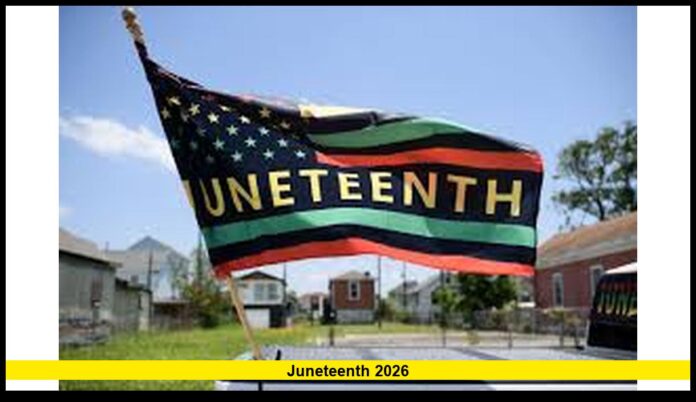
As the nation prepares for Juneteenth 2026, communities across the United States are planning celebrations, educational programs, cultural festivals, and commemorative events that honor one of the most significant dates in American history. This year, the holiday falls on Friday, June 19, 2026, creating a three-day weekend for many workers, students, and families.
Juneteenth has become an increasingly visible part of the national calendar since gaining federal holiday status in 2021. The observance continues to grow in prominence as Americans reflect on the history of emancipation, celebrate Black culture and achievement, and participate in community events focused on freedom, education, and civic engagement.
Looking for local Juneteenth celebrations? Check your city’s event calendar and community organizations for parades, festivals, concerts, educational exhibits, and family-friendly activities happening throughout the holiday weekend.
Table of Contents
What Is Juneteenth?
Juneteenth commemorates June 19, 1865, the day when Union troops arrived in Galveston, Texas, and announced that enslaved African Americans were free. The announcement came more than two years after President Abraham Lincoln issued the Emancipation Proclamation during the Civil War.
The date has long been recognized as a powerful symbol of freedom and the end of slavery in the United States. For generations, Black communities observed Juneteenth through gatherings, religious services, educational programs, music, food, and family celebrations.
Today, the holiday serves both as a celebration of freedom and as an opportunity to learn about American history.
Juneteenth 2026 Is a Federal Holiday
Federal offices, many government agencies, and numerous public institutions will be closed in observance of the holiday. Many banks and financial institutions are also expected to follow federal holiday schedules.
Because the holiday lands on a Friday this year, millions of Americans will enjoy a three-day weekend stretching from June 19 through June 21.
For many communities, the Friday placement is expected to increase attendance at public celebrations, festivals, and educational events throughout the weekend.
How Juneteenth Became a National Holiday
Although Juneteenth celebrations date back more than 150 years, the holiday achieved federal recognition in 2021.
The legislation establishing Juneteenth National Independence Day as a federal holiday received broad bipartisan support and was signed into law that year. The move marked the first addition to the federal holiday calendar in decades.
Since then, awareness of the holiday has expanded significantly. Schools, museums, cultural institutions, businesses, and local governments have increasingly incorporated Juneteenth programming into their annual calendars.
Why the Holiday Continues to Grow in Importance
Juneteenth has evolved from a regional observance into a nationwide event recognized by communities across every region of the country.
Many Americans view the holiday as an opportunity to:
- Learn about the history of slavery and emancipation
- Celebrate Black history and culture
- Support local community organizations
- Attend educational programs and exhibits
- Participate in civic and cultural events
- Reflect on the meaning of freedom and equality
The growing visibility of the holiday has also led to expanded educational efforts in schools, universities, museums, and historical sites.
How Americans Celebrate Juneteenth
Parades and Community Festivals
Many communities organize large public gatherings featuring music, food vendors, local artists, cultural performances, and family activities.
These events often attract thousands of participants and serve as focal points for local celebrations.
Historical and Educational Programs
Museums, libraries, universities, and cultural organizations frequently host lectures, exhibits, panel discussions, and historical presentations.
These programs help provide context about the Civil War, emancipation, Reconstruction, and the long struggle for civil rights.
Live Music and Cultural Performances
Music has always played an important role in Juneteenth celebrations.
Many events feature gospel, jazz, blues, R&B, spoken-word performances, and other artistic expressions that highlight African American cultural traditions.
Family Gatherings
For many families, Juneteenth serves as a time to come together, share meals, discuss family history, and celebrate heritage.
Community cookouts, reunions, and neighborhood gatherings remain central to the holiday experience.
Thinking about attending a Juneteenth event this year? Many cities release schedules weeks in advance, making it easier to plan a meaningful holiday weekend with family and friends.
The Historical Significance of June 19, 1865
Understanding Juneteenth requires looking back at a pivotal moment in American history.
On June 19, 1865, Union Major General Gordon Granger arrived in Galveston, Texas, and announced that enslaved people were free. The announcement came after the Civil War had effectively ended and represented the enforcement of emancipation in one of the last Confederate regions where slavery continued.
The date became deeply significant among newly freed Black Texans and eventually spread across the nation through migration and community traditions.
Over time, annual commemorations transformed into the modern Juneteenth celebrations seen today.
Educational Institutions and Juneteenth
Schools and universities have increasingly expanded Juneteenth-related educational programming.
Many institutions now offer:
- Historical lectures
- Curriculum resources
- Public discussions
- Cultural exhibits
- Student-led events
- Community outreach programs
Educators often use the holiday as an opportunity to explore broader topics related to American history, civil rights, citizenship, and democracy.
Businesses and Workplace Observance
A growing number of employers recognize Juneteenth as a paid holiday or provide opportunities for employee participation in community events.
Many organizations also host educational sessions, volunteer opportunities, cultural celebrations, and discussions focused on history and inclusion.
Workplace observance varies by employer, but awareness of the holiday has increased significantly in recent years.
Tourism and Travel During the Holiday Weekend
Because Juneteenth 2026 falls on a Friday, travel activity is expected to increase as many Americans take advantage of the extended weekend.
Popular destinations may experience higher visitor traffic, particularly cities known for large Juneteenth celebrations.
Travelers planning holiday weekend trips are encouraged to make arrangements early, especially for accommodations and transportation.
Many cities host multi-day events that combine cultural celebrations, concerts, educational programming, and community festivals.
The Role of Museums and Historic Sites
Museums and historic landmarks play an important role during Juneteenth observances.
Throughout the holiday period, many institutions feature:
- Special exhibitions
- Historical tours
- Interactive programs
- Family activities
- Educational workshops
- Public presentations
These efforts help preserve historical knowledge and provide opportunities for deeper engagement with the holiday’s meaning.
Juneteenth and Community Engagement
One of the defining characteristics of Juneteenth is its strong community focus.
Across the country, nonprofit organizations, neighborhood groups, churches, schools, and civic leaders work together to organize events that bring people together.
Volunteer projects, scholarship initiatives, voter education programs, food drives, and youth activities are often incorporated into local observances.
This community-centered approach has helped sustain the holiday’s growth and relevance.
What to Expect Across the United States in 2026
Communities nationwide are expected to hold a wide range of events during the 2026 observance.
Americans can expect to see:
- Citywide festivals
- Historical commemorations
- Cultural performances
- Educational forums
- Community service projects
- Family-friendly activities
- Art exhibitions
- Public celebrations
Because the holiday falls at the start of a summer weekend, participation levels could be particularly strong in many regions.
Local governments, community organizations, and cultural institutions have increasingly integrated Juneteenth programming into their annual event schedules.
Looking Ahead
The continued growth of Juneteenth reflects its importance within the broader American story.
As awareness expands, the holiday remains both a celebration and a moment for reflection. Communities across the country continue to embrace Juneteenth as an opportunity to honor history, recognize progress, and bring people together through education, culture, and shared experiences.
With a Friday observance in 2026 creating an extended weekend, millions of Americans will have the opportunity to participate in events that commemorate freedom, celebrate community, and deepen understanding of a defining chapter in the nation’s history.
How are you planning to observe Juneteenth this year? Share your thoughts and check back for more updates on celebrations and events happening across the country.

