
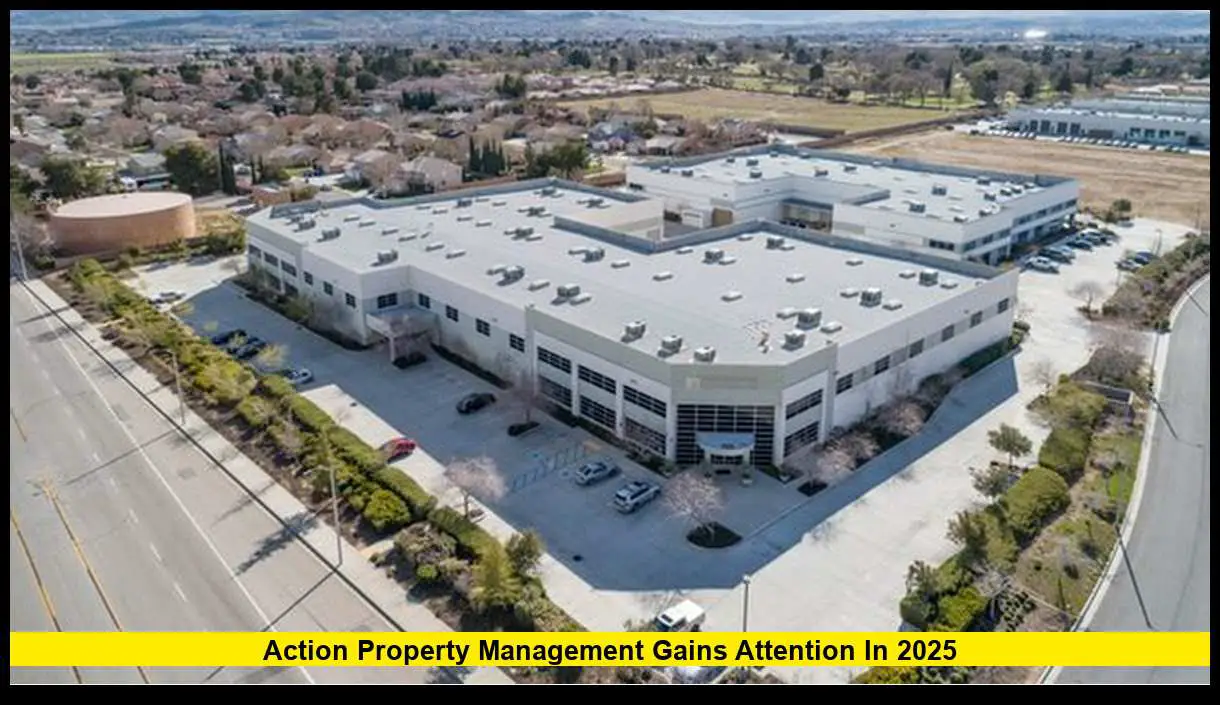
Action Property Management has become one of the most recognized names in community association and HOA management. In 2025, the company continues to grow its footprint while responding to the evolving demands of homeowners, board members, and property developers across the United States. With a reputation built on managing large-scale communities and high-rise residences, Action stands at the intersection of real estate, technology, and community governance.
As the homeowner association (HOA) industry faces greater scrutiny, rising expectations, and complex infrastructure needs, Action Property Management is adapting its strategies to maintain its position as a leader. This article explores what’s happening now with Action, how the company is shaping property management in 2025, and what residents and board members should watch for in the future.
Table of Contents
The Role of Action Property Management
At its core, Action Property Management specializes in managing communities under homeowner associations. Their responsibilities extend far beyond simple maintenance. They cover:
- Governance and board support.
- Financial management, including budgets, reserve studies, and reporting.
- Vendor bidding and contract oversight.
- Amenity management, from gyms and pools to concierge services.
- Resident communications, dispute resolution, and community engagement.
- Maintenance planning, repairs, and long-term infrastructure care.
Unlike traditional rental property managers, Action focuses primarily on communities governed by HOAs, where shared ownership requires professional coordination of complex systems, finances, and rules.
Why Action Property Management Is in the Spotlight
Action Property Management is notable in 2025 for several reasons:
- Expansion into complex communities – Action has taken on high-profile contracts, including luxury high-rise towers and large-scale mixed-use developments. These communities require advanced expertise in infrastructure management, transportation logistics, and resident services.
- Technology and modernization – Digital platforms, resident portals, and communication systems have become critical for HOA satisfaction. Action has invested in digital outreach, podcasts, and educational materials aimed at both residents and board members.
- Board expectations – HOA boards demand more transparency than ever before. Boards want clarity on budgets, vendor relationships, and service performance. Action’s scale and expertise position it to meet these demands, but they also invite heightened scrutiny.
- Resident feedback – Like many large HOA management firms, Action receives both praise and criticism. Satisfied clients point to strong governance support and professional oversight. Critics highlight communication gaps or concerns about vendor pricing. This range of experiences puts Action at the heart of ongoing debates about HOA accountability.
Trends Influencing Action Property Management in 2025
1. The Growth of HOAs in the U.S.
More than ever, new housing developments are built with homeowner associations. These HOAs oversee common spaces, enforce rules, and protect property values. With volunteer boards often overwhelmed by the scale of operations, firms like Action become essential partners.
2. The Complexity of Modern Communities
Today’s communities are not just cul-de-sacs and swimming pools. They often include:
- EV charging infrastructure.
- Smart building systems for lighting, HVAC, and security.
- Co-working lounges and package lockers.
- Transportation services, such as ferries or internal shuttles.
- Multi-use facilities combining retail, residential, and office.
Action’s portfolio of complex projects positions it to thrive as communities demand more sophisticated management.
3. Rising Tenant and Resident Expectations
Residents now expect:
- 24/7 digital access to management.
- Transparent financials.
- Fast responses to maintenance requests.
- Modern amenities that reflect urban living standards.
Action’s emphasis on communication and education responds directly to this trend.
4. Cost Pressures and Inflation
Labor, materials, and insurance costs continue to rise. Boards expect property managers to control costs while maintaining high service standards. This puts pressure on Action and its peers to negotiate effectively with vendors and manage reserves carefully.
5. Regulatory Oversight
States are tightening HOA regulations, requiring more disclosure, fair elections, and clearer financial reporting. This environment makes experienced management firms even more critical.
Services That Define Action Property Management
Action Property Management’s model is built on comprehensive services that touch nearly every part of community living.
Board and Governance Support
- Advising on compliance with state laws.
- Preparing agendas, facilitating meetings, and documenting minutes.
- Supporting annual elections and board training.
Financial and Budgeting Oversight
- Drafting annual budgets.
- Managing assessments and collections.
- Preparing reserve fund analyses.
- Delivering monthly financial statements.
Vendor and Contract Management
- Soliciting bids for landscaping, repairs, and upgrades.
- Overseeing contracts for janitorial, maintenance, and security services.
- Monitoring vendor performance and ensuring competitive pricing.
Amenity and Lifestyle Management
- Staffing gyms, pools, and concierge desks.
- Coordinating resident events.
- Overseeing scheduling for community facilities.
Maintenance and Infrastructure
- Routine inspections and preventive maintenance.
- Oversight of long-term capital projects.
- Emergency response planning for natural disasters or infrastructure failures.
Technology and Communication
- Resident portals for payments, requests, and updates.
- Community newsletters and announcements.
- Educational podcasts and online resources for HOA boards.
Strengths of Action Property Management
- Scale and reach: As one of the largest privately owned HOA firms in the West, Action brings deep resources and expertise.
- Specialization in high-end properties: Their portfolio includes luxury and complex projects that many smaller firms cannot manage.
- Educational content: By providing podcasts and thought leadership, Action positions itself as more than a vendor—it becomes a partner in governance.
- Infrastructure focus: Their ability to manage utilities, transportation, and advanced systems gives them a competitive edge in modern communities.
Challenges Facing Action Property Management
- Consistency across communities: Maintaining high standards across hundreds of properties is difficult. Service quality can vary by region or manager.
- Transparency and trust: Boards increasingly demand visibility into contracts, vendor bidding, and costs. Any lapses can create reputational risks.
- Resident relations: Managing disputes between residents and HOAs can be contentious, requiring diplomacy and fairness.
- Cost inflation: Rising expenses create pressure to balance budgets without reducing services.
- Regulatory complexity: Operating across multiple states requires constant legal awareness and compliance infrastructure.
Best Practices for Boards Working With Action
For HOA boards considering or currently working with Action Property Management, several best practices can maximize results:
- Set Clear Expectations
Define measurable goals for service levels, communication, and financial reporting. - Monitor Vendor Bidding
Ensure multiple bids are collected and reviewed transparently to avoid conflicts of interest. - Leverage Technology
Use Action’s portals and communication tools to improve resident engagement and streamline operations. - Review Performance Regularly
Schedule quarterly or annual performance reviews to keep accountability high. - Stay Involved
Boards should remain active in oversight rather than outsourcing all decision-making.
Looking Ahead: The Future of Action Property Management
The future of Action and the broader HOA industry will likely include:
- Deeper digital integration: Expect more automation, AI-based maintenance scheduling, and predictive budgeting.
- Sustainability initiatives: Communities will demand greener operations, from solar installations to water-efficient landscaping.
- Resident-first models: Firms will emphasize lifestyle amenities, hospitality, and customer service to improve satisfaction.
- Industry consolidation: Large firms like Action may absorb smaller competitors, leading to fewer but larger players.
- Greater accountability: Transparency, audits, and resident feedback will play a growing role in management contracts.
Three Short FAQ
Q1: What does Action Property Management specialize in?
Action specializes in managing homeowner associations, high-rise condominiums, and large-scale communities. They handle governance, finances, maintenance, and resident services.
Q2: How can HOA boards ensure accountability from Action?
Boards should establish clear performance benchmarks, demand regular financial reporting, and review vendor bidding processes closely.
Q3: What trends will most impact Action in the coming years?
Digital transformation, sustainability initiatives, cost inflation, and stricter regulations will be the most significant forces shaping the future of Action Property Management.
Conclusion
Action Property Management stands as one of the largest privately owned HOA management companies in the western United States. In 2025, the company is navigating expansion, resident expectations, and regulatory oversight. With strengths in scale, expertise, and technology, Action is well positioned to remain a leader.
However, challenges around transparency, cost control, and service consistency highlight the need for continued diligence. For boards and residents, the key lies in balancing trust with oversight—ensuring that Action’s resources are matched by accountability.
The future of Action Property Management, like the HOA industry itself, will depend on how well it adapts to evolving community needs, embraces technology, and delivers value to homeowners.
What do you think about the role of HOA management firms today? Share your thoughts below—we’d love to hear from you.
Disclaimer – This article is intended for informational purposes only and does not constitute legal or financial advice.