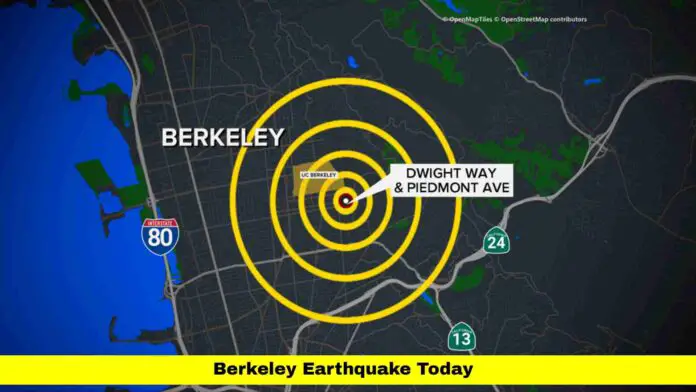
A magnitude 3.1 earthquake struck Berkeley, California, on Thursday morning, October 16, 2025, at approximately 9:23 a.m. The epicenter was located about 1.2 miles east of the University of California, Berkeley campus, in the hills above the city. Residents across North Berkeley, Oakland, and surrounding East Bay areas felt the tremor. Although it was mild, the earthquake prompted immediate attention from local authorities and served as a reminder of the region’s seismic risks.
Table of Contents
Details of the Berkeley Earthquake Today
The earthquake had a shallow depth of roughly 9.4 kilometers, which made the shaking noticeable across the East Bay. Residents reported feeling brief tremors that caused minor rattling of furniture and light objects. The quake did not result in injuries or major structural damage, and most homes and businesses quickly resumed normal operations. Emergency response teams conducted safety checks to ensure no hidden structural issues occurred in public buildings and infrastructure, demonstrating the city’s readiness for seismic events. The timing and intensity of this earthquake were consistent with the East Bay’s history of minor but frequent tremors along the Hayward Fault zone.
Impact on Local Infrastructure
Despite its moderate size, the earthquake briefly impacted transportation in the area. Bay Area Rapid Transit (BART) temporarily halted Yellow Line service in West Oakland as a precaution while tracks and stations were inspected for safety. The suspension lasted only a few minutes, highlighting the efficiency and preparedness of transit authorities in managing seismic events. Local roads, bridges, and utility systems were also monitored, but no immediate damage was observed. Schools and businesses reported minor disruptions but quickly returned to normal operations. Overall, the region’s infrastructure responded effectively to this earthquake, reflecting years of planning and investment in seismic resilience.
Timing With Earthquake Preparedness Drills
Interestingly, the tremor occurred less than an hour before the scheduled Great California ShakeOut earthquake drill at 10:16 a.m. This coincidence offered residents a real-time reminder of the importance of earthquake safety measures. During the drill, participants are encouraged to drop, cover, and hold on, simulating protective actions to take during a seismic event. The timing of the Berkeley earthquake today emphasized the value of regular preparedness exercises. Residents who were practicing the drill may have experienced the actual earthquake firsthand, reinforcing the importance of safety protocols and the need for continuous awareness.
Seismic Risk and Preparedness in Berkeley
Berkeley is located near the Hayward Fault, one of the most active and well-studied fault lines in the United States. The city has implemented numerous measures to prepare for potential earthquakes. Older buildings have undergone retrofitting to improve structural integrity, while new construction adheres to strict seismic safety standards. Local authorities regularly provide educational resources and training for residents on how to respond during quakes. Recommendations include keeping emergency kits stocked with food, water, and medical supplies, securing heavy furniture, and developing family communication plans. Community workshops, public service campaigns, and online guidance reinforce these practices, helping residents minimize risk and respond calmly during an earthquake.
Recent Earthquake History in the East Bay
The East Bay region has experienced several notable earthquakes in recent years. In September 2025, a magnitude 4.3 earthquake struck near the Hayward Fault, followed by a series of minor aftershocks. These events heightened public awareness and prompted increased participation in preparedness programs. Berkeley residents have grown accustomed to feeling minor tremors, and city services remain vigilant in monitoring seismic activity. The 3.1 magnitude quake in Berkeley today adds to this pattern of low-to-moderate seismic events, serving as a reminder that even minor quakes provide valuable lessons in readiness and community safety.
Community Response and Awareness
Local authorities and community organizations encourage residents to take earthquake preparedness seriously. Neighborhood groups and educational institutions in Berkeley hold regular drills and seminars to promote safe practices. Many residents have adopted emergency routines, such as designating safe rooms, storing water and non-perishable food, and maintaining first-aid supplies. Community networks also use mobile alerts and social media to share real-time updates during earthquakes, allowing people to respond quickly. Berkeley’s proactive approach ensures that residents are informed, prepared, and resilient in the face of future seismic activity.
Safety Tips During an Earthquake
Even a mild tremor like today’s can serve as an opportunity to review essential safety measures. Residents are advised to remain calm, move away from windows and heavy objects, and practice the “drop, cover, and hold on” technique. Keeping a flashlight, emergency contacts, and a basic first-aid kit accessible can make a significant difference. Families should discuss evacuation routes and meeting points in advance. Reinforcing shelves, securing heavy appliances, and identifying safe spots within each room further reduces the risk of injury. These steps are essential, as even minor earthquakes can pose hazards if safety precautions are overlooked.
Conclusion
While the Berkeley earthquake today measured only 3.1 in magnitude and caused no significant damage, it served as a timely reminder of the East Bay’s vulnerability to seismic events. Its occurrence just before the Great California ShakeOut drill highlighted the importance of regular preparedness exercises, community awareness, and adherence to safety protocols. Residents are encouraged to maintain emergency kits, stay informed about seismic risks, and participate in local drills to ensure they are ready for future earthquakes. Ongoing vigilance and preparation can significantly reduce risks and enhance community resilience against more powerful quakes in the region.

