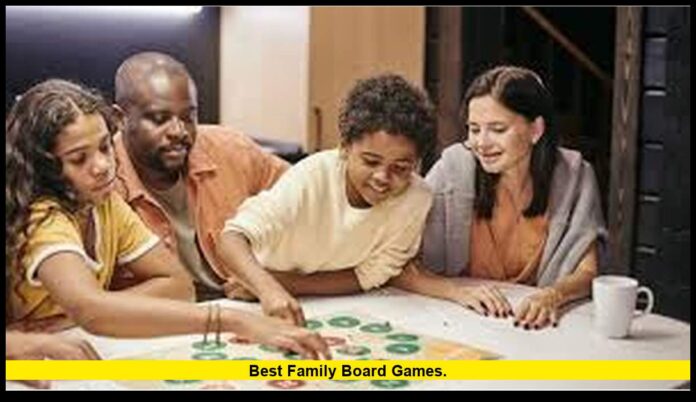
If you’re searching for the best family board games that appeal to kids, teens, and adults alike, today’s updated lineup highlights titles that offer simple rules, engaging decision-making, and reliable replay value. These games continue to perform well for families because they encourage conversation, build problem-solving skills, and create screen-free moments everyone can enjoy.
Table of Contents
Why Families Keep Returning to Board Games
Board games have maintained a strong resurgence in 2024–2025 as families look for meaningful activities that pull everyone into the same space. Easy setup, fast learning curves, and tactile components make these games highly approachable. Many modern titles also offer scalable difficulty, allowing younger kids to play simplified versions while older players enjoy deeper strategy.
When choosing a family game, it’s important to consider age range, time available, group size, and how much interaction you want — whether calm, puzzle-style sessions or energetic, laugh-driven rounds. The following list blends classics, modern hits, and newly recognized award winners that meet today’s standards for durability, accessibility, and fun.
Bomb Busters — Cooperative, Suspenseful, and Perfect for Team Play
This standout cooperative title continues to earn recognition for its energetic but kid-friendly format. Players work together under time pressure to match patterns and defuse “bombs” before the timer runs out. The rules are intentionally streamlined so families can jump in within minutes, but coordination, communication, and pattern recognition keep everyone involved. It’s ideal for families who want fast-paced teamwork without complex mechanics.
Ticket to Ride — A Modern Classic That Never Gets Old
Ticket to Ride remains one of the strongest cross-generational games worldwide. Players collect colored cards, build railway routes, and compete for strategic connections across the map. The game blends relaxed gameplay with thoughtful planning, offering younger players a sense of accomplishment while giving adults enough depth to stay fully engaged. Because it scales smoothly from two to five players, it’s a dependable pick for any game shelf.
Carcassonne — Puzzle-Like Tile Placement for All Ages
Carcassonne rewards creativity and planning as players build a shared medieval landscape of cities, fields, and roads. Each tile adds to the puzzle, creating a different map every time. Kids appreciate the simple placement rule — match edges — while adults enjoy the strategic decisions about claiming territories. Its wide range of expansions allows families to grow the game over time without replacing it.
Sushi Go! — Fast, Delightful, and Portable
If your schedule is tight or attention spans vary, Sushi Go! delivers a quick but satisfying card-drafting experience. Each round lasts only minutes as players pick cards, pass hands, and score adorable sushi combinations. The game promotes predictive thinking, basic probability, and set collection, making it educational without feeling like it. The small tin packaging also makes it great for travel, restaurants, and waiting rooms.
Codenames — Word Association at Its Best
Codenames challenges teams to use clever clues and associations to identify words on a shared grid. The format encourages communication, critical thinking, and teamwork. It’s especially strong for families with older kids and teens who enjoy language-based challenges. Because rounds are short and the word combinations constantly change, it offers significant replayability.
Faraway — A Newly Celebrated Favorite
Faraway has gained new attention this year thanks to its accessible mechanics and warm reception among family gamers. The game combines scenic artwork with straightforward rules that encourage thoughtful planning without overwhelming younger players. Its unique scoring and calm pacing make it great for families seeking a modern title that feels fresh but still easy to teach.
Ticket to Ride: First Journey — Ideal for Younger Kids
For families with players ages 6–10, this simplified version of Ticket to Ride is a perfect introduction to modern board gaming. It keeps the bright visuals, core mechanics, and excitement of completing routes but shortens gameplay and reduces complexity. It builds confidence in new players while giving adults a familiar structure to enjoy.
King of Tokyo — Big Monsters, Big Energy
King of Tokyo delivers loud, laughter-filled sessions as players roll dice to attack, gather energy, and upgrade giant monsters. It’s highly interactive and appeals to kids who enjoy animated competition. Despite the chaos, it remains simple enough for younger players to grasp quickly. The game supports a wide range of player counts and shines with larger groups.
Cascadia — Relaxed Strategy and Beautiful Nature Themes
Families who appreciate thoughtful, peaceful gameplay will love Cascadia. Players build habitats through tile selection and pattern matching, all while placing wildlife tokens in scoring formations. The game emphasizes long-term thinking, spatial awareness, and gentle competition. Its nature-themed artwork makes it welcoming to all ages.
Topp the Cake / Topp die Torte — Award-Winning for Young Children
This kid-friendly title continues to receive praise for its engaging dexterity challenges and simple, joyful gameplay. Younger players build cake layers following visual prompts, improving hand-eye coordination and pattern recognition. It’s a great option for early elementary families seeking something playful and developmentally supportive.
Dixit — Imagination Unleashed
Dixit stands apart with its dreamlike artwork and storytelling focus. Players give clues based on the surreal illustrations, encouraging creativity, emotional intelligence, and expressive thinking. It’s one of the best mixed-age games because it values imagination over strategy, ensuring kids can compete on equal footing with adults.
Azul — Strategic, Colorful Tile Placement
Azul combines artistic design with tactical gameplay as players draft colorful tiles and arrange them in patterned mosaics. It’s visually striking and offers the kind of strategic depth that appeals to older kids and adults. Scoring rewards careful planning but the rules remain straightforward, making it a strong bridge between light and mid-weight games.
How to Choose the Right Game for Your Family
Selecting the best match involves understanding your group dynamic:
- Younger children: Choose tactile, visual games with simple choices.
- Mixed-age groups: Use classics like Ticket to Ride or Carcassonne that scale naturally.
- Teens and adults: Word-driven or strategic titles like Codenames or Azul work well.
- Large families: Look for flexible player counts and quick rounds.
- Families wanting cooperation: Opt for Bomb Busters or other teamwork-focused games.
A good family collection also balances cooperative, competitive, fast, and strategic options to fit different moods.
Simple Teaching Tips for a Smooth First Play
Teaching a game well is as important as choosing the right one:
- Explain the objective first.
- Demonstrate a sample turn.
- Let kids handle the components — it boosts engagement.
- Keep early rounds casual and forgiving.
- Adjust rules lightly until everyone understands the flow.
These small steps help reduce frustration and ensure new players feel confident.
Maintaining Your Games for Years
Good storage ensures your games last through hundreds of plays. Use zip bags or organizers to keep tokens sorted. Store boxes horizontally to protect components. Rotate through your collection so games stay fresh and exciting for younger players.
Why These Games Remain Family Staples
Each title offers a blend of accessibility, replay value, and memorable interaction — the essential traits of a successful family game. Whether you want quiet strategy, humorous chaos, or imaginative storytelling, this list provides reliable options that continue to resonate with today’s families.

