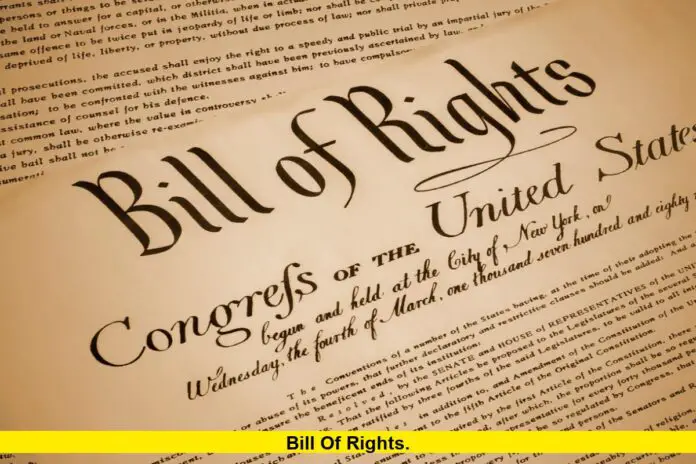
The bill of rights marks one of the most important milestones in U.S. history, and today, December 15, Americans recognize the anniversary of its ratification in 1791. This date represents the moment when the first ten amendments to the U.S. Constitution officially became law, securing fundamental freedoms that continue to guide American democracy more than two centuries later.
Observed nationwide as Bill of Rights Day, December 15 serves as a reminder of why these amendments were created, how they came to be ratified, and why they remain essential to daily life in the United States. While no new amendments were added today, the significance of this historic moment remains as relevant as ever in 2025.
Table of Contents
What the Bill of Rights Represents
The bill of rights consists of the first ten amendments to the U.S. Constitution. These amendments were designed to protect individual liberties and limit the power of the federal government. They guarantee freedoms such as speech, religion, the press, peaceful assembly, and the right to petition the government. They also establish protections for people accused of crimes, including the right to due process, a fair trial, and protection from cruel and unusual punishment.
Together, these rights form the backbone of American civil liberties. They outline what the government cannot do and affirm the freedoms every citizen is entitled to under the law.
Why December 15 Is a Defining Date
December 15, 1791, is the day the bill of rights was officially ratified after receiving approval from the required number of states. Virginia’s ratification provided the final vote needed to make the amendments part of the Constitution.
This achievement followed years of debate after the original Constitution was drafted. Many Americans feared that without clearly stated protections, the new federal government could abuse its power. The promise to add a bill of rights helped ease those concerns and played a key role in securing support for the Constitution itself.
The Road to Ratification
The bill of rights did not appear automatically. After the Constitution was signed in 1787, critics known as Anti-Federalists argued that individual freedoms were not adequately protected. In response, James Madison drafted a series of amendments based on proposals from state ratifying conventions.
Congress approved twelve proposed amendments in 1789 and sent them to the states. By December 15, 1791, ten of those amendments had been ratified and became law. These ten amendments are what Americans now recognize as the bill of rights.
Bill of Rights Day in the United States Today
Each year, December 15 is observed as Bill of Rights Day across the country. In 2025, schools, courts, libraries, and civic organizations are marking the occasion through educational programs and public discussions.
Classrooms often use the day to teach students about constitutional freedoms, while legal institutions highlight how the bill of rights continues to guide court decisions. Civic groups encourage Americans to reflect on their rights and responsibilities as citizens.
This annual recognition reinforces the idea that constitutional rights are not just historical concepts, but living principles that require understanding and protection.
How the Bill of Rights Affects Daily Life
The influence of the bill of rights is present in everyday American life, often in ways people may not consciously notice.
Freedom of Expression
The First Amendment protects speech, religion, the press, assembly, and petition. These freedoms allow Americans to express opinions, practice faith openly, gather peacefully, and engage with their government without fear of punishment.
Legal Protections
Several amendments establish rules for criminal justice. They protect individuals from unreasonable searches, guarantee the right to remain silent, ensure access to legal counsel, and require fair trials. These protections shape how law enforcement and courts operate nationwide.
Personal Liberty
Other amendments limit government authority over private citizens, reinforcing the principle that power must be balanced and accountable. These protections help maintain trust in democratic institutions.
The Bill of Rights and the Courts
The bill of rights plays a central role in the U.S. legal system. Courts routinely interpret these amendments when deciding cases involving free speech, privacy, religious freedom, and criminal justice.
While the language of the amendments has not changed since 1791, their application continues to evolve through judicial decisions. This ongoing interpretation ensures the bill of rights remains relevant in modern society while staying rooted in its original purpose.
Why the Bill of Rights Still Matters in 2025
More than 230 years after its ratification, the bill of rights remains a cornerstone of American identity. It defines the relationship between citizens and the government and sets limits on governmental power.
In a rapidly changing world, these amendments provide stability and continuity. They remind Americans that freedom is protected not by tradition alone, but by law.
Bill of Rights Day offers a moment to reflect on these principles and consider how they apply to current challenges. It also serves as a reminder that constitutional rights must be understood and defended by each generation.
A Living Legacy
The bill of rights was created in response to real concerns about liberty and power. Its ratification on December 15, 1791, was a turning point that strengthened the Constitution and helped unify the young nation.
Today, that legacy endures. The freedoms protected by the bill of rights continue to shape public debate, legal standards, and civic life throughout the United States.
What does the Bill of Rights mean to you today? Join the conversation and stay engaged with the freedoms that define America.

