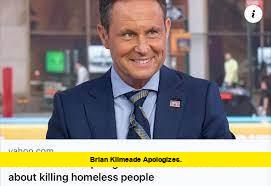
Brian Kilmeade apologizes after sparking nationwide outrage with comments he made about mentally ill homeless individuals during a recent broadcast. His remarks drew immediate condemnation from advocacy groups, political leaders, and the public, forcing him to address the controversy on air.
The situation began when Kilmeade, a co-host on Fox & Friends, joined a discussion about homelessness and public safety. The topic centered on violent incidents involving individuals with mental health struggles. During the debate, Kilmeade suggested extreme measures that many found deeply offensive. His words quickly circulated online, triggering a strong backlash across social media and beyond.
By the weekend, Kilmeade issued a public apology, describing his earlier statement as “extremely callous” and acknowledging that his comments failed to reflect compassion toward vulnerable communities.
Table of Contents
The Comment That Started It All
During a segment last week, Kilmeade responded to a discussion about whether government programs were effectively addressing homelessness. His off-the-cuff remark included a suggestion that some individuals who refuse help might be dealt with by force. He followed with a shocking comment implying execution, which alarmed viewers and fellow commentators alike.
Critics argued that his statement dehumanized people already facing immense struggles. Advocacy groups for the homeless and mentally ill condemned the language as reckless and harmful, warning that such rhetoric could lead to further stigmatization.
Kilmeade’s On-Air Apology
On Sunday morning, Kilmeade directly addressed the controversy. He admitted that his remarks went too far and said he regretted the way he expressed himself.
In his own words, he explained:
- He wrongly suggested an extreme solution that was inappropriate and unacceptable.
- He apologized to anyone hurt or offended by his language.
- He emphasized that many homeless individuals with mental health challenges deserve empathy, compassion, and support.
Kilmeade clarified that his frustration stemmed from rising crime concerns but insisted that his choice of words was wrong. He concluded by stating he hopes the discussion now shifts to constructive solutions for homelessness and mental health.
Read Also-What Did Brian Kilmeade Say? The Comment and Apology Explained
Public and Political Reactions
The fallout from Kilmeade’s comments was swift. Across social media platforms, clips of the exchange circulated widely. Many users called his remarks insensitive and dangerous, with hashtags related to the incident trending for hours.
Reactions included:
- Homeless advocates described the statement as inhumane and invited Kilmeade to visit shelters to better understand the realities faced by those living on the streets.
- Political leaders criticized the remarks, with some governors and mayors emphasizing that compassion, not punishment, should guide public policy.
- Viewers expressed mixed feelings, with some accepting the apology while others argued it was insufficient.
The controversy also raised questions about media responsibility, particularly regarding how public figures address sensitive social issues.
The Broader Issue of Homelessness and Mental Illness
While the focus has been on Kilmeade’s words, the situation also reflects larger debates in the United States. Cities nationwide are grappling with visible homelessness and the challenges of untreated mental illness. Many communities report growing concerns about safety on public transit, in parks, and in downtown areas.
Experts argue that reducing homelessness requires a combination of affordable housing, mental health services, and addiction treatment programs. However, these efforts are often underfunded or overwhelmed by the scale of the crisis.
The incident involving Kilmeade reignited conversation around how media frames these problems. Advocates stressed that careless rhetoric can shift attention away from real solutions and instead promote fear or division.
The Impact on Fox News and Kilmeade’s Role
Fox News has not issued a formal statement regarding disciplinary action. Kilmeade continues to co-host Fox & Friends, one of the network’s flagship morning shows. Some critics believe the apology is enough, while others say media figures must be held accountable for words that could normalize harmful attitudes.
Inside media circles, the incident is being compared to other controversies where high-profile personalities faced scrutiny for inflammatory comments. Whether the backlash will affect Kilmeade’s long-term reputation remains to be seen, but it has certainly drawn attention to the responsibility of broadcasters when addressing sensitive topics.
Lessons from the Incident
Several key takeaways emerge from the controversy:
- Words matter: Even offhand remarks can cause real harm, particularly when directed at vulnerable groups.
- Public accountability: In today’s media environment, statements spread instantly, leaving little room for error.
- Balancing free speech and compassion: While opinion hosts often speak freely, society expects a baseline of empathy and respect.
- Focus on solutions: The broader issues of homelessness and mental illness require policy discussions, not inflammatory soundbites.
Moving Forward
Kilmeade’s apology may help ease some of the outrage, but it does not erase the larger concerns raised by his comments. The incident highlights the need for thoughtful dialogue about homelessness and mental health, especially as many cities continue struggling to address these complex problems.
Advocates urge leaders, media figures, and the public to recognize that individuals experiencing homelessness are people deserving dignity and care. They stress that real progress will come not from sensational remarks but from collaborative efforts involving healthcare, housing, and community support.
Final Thoughts
Brian Kilmeade apologizes for his remarks, but the conversation sparked by his words is far from over. His comments drew attention to the ongoing tensions surrounding homelessness, mental health, and public safety in the United States. While apologies can acknowledge mistakes, the deeper challenge remains finding compassionate, effective solutions to a crisis that affects countless lives.
What are your thoughts on the apology? Should media figures face stricter consequences when their words cross the line? Share your views and keep the conversation going.

