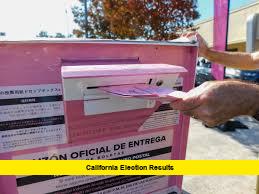
The California election results from November 4, 2025, are shaping the political conversation across the United States. California once again proved why it remains one of the most influential states in American politics — both in voter engagement and policy direction. With millions of ballots cast statewide, early data reveals crucial trends that will influence redistricting, representation, and voter confidence heading into 2026.
This year’s election was a special statewide vote that carried national weight, primarily due to the presence of Proposition 50, a controversial measure that could alter how congressional boundaries are drawn in the Golden State. The results, still in the certification process, tell a compelling story of civic participation, demographic shifts, and a continued evolution in how Californians vote and think about their democracy.
Table of Contents
A Snapshot of the 2025 California Election
The 2025 statewide election took place on Tuesday, November 4, and was called earlier in the year following growing debates over legislative authority and representation. Every registered voter received a mail-in ballot, a system that has become standard practice in California since 2020.
Voters were asked to weigh in on Proposition 50, among other local measures, including education, infrastructure, and public safety funding initiatives. While local propositions varied across counties, Prop 50 was the headline item on the statewide ballot.
This special election also served as an important test for California’s updated election systems — particularly in how mail-in ballots, voter verification, and same-day registrations were managed under tight deadlines. Officials across counties reported record-breaking early participation, with millions of ballots received before Election Day.
Proposition 50: The Measure That Defined the Election
At the center of the 2025 California election results lies Proposition 50, a proposed constitutional amendment that would grant the California Legislature power to modify congressional redistricting maps.
Currently, these maps are drawn by the state’s Independent Citizens Redistricting Commission, established in 2010 to ensure transparency and reduce partisan influence. Proposition 50 challenged that model, suggesting that elected lawmakers — not unelected commissioners — should have the authority to review and potentially adjust district boundaries.
Arguments For Proposition 50
Supporters claimed the change would enhance accountability. They argued that because legislators are directly answerable to voters, they should have input in how district lines are drawn. Proponents emphasized that the measure wouldn’t eliminate the redistricting commission but would instead introduce a layer of legislative oversight.
They also contended that this reform could lead to more balanced districts that reflect California’s dynamic population and ensure that emerging communities receive fair representation.
Arguments Against Proposition 50
Opponents countered that Proposition 50 would weaken the independence of California’s electoral system. Critics warned that allowing the legislature to intervene could lead to gerrymandering — drawing district lines for political advantage — and erode public trust in fair elections.
They pointed to the success of the independent commission in producing nonpartisan maps that reflect California’s geographic and demographic diversity. Many voters viewed the proposition as a critical test of the state’s commitment to transparent governance.
Current Standing of Proposition 50
As of early November 2025, the measure appears to be leading in preliminary counts, with more than half of the reported ballots favoring the “Yes” vote. Certification of final results is scheduled for mid-December. Should Proposition 50 be approved, it will mark one of the most significant structural changes to California’s electoral process in over a decade.
Voter Turnout and Demographic Shifts
California’s 2025 election recorded one of the highest turnouts for a special election in recent memory. Election officials estimated that participation exceeded 60% of registered voters — a substantial increase compared to similar elections in prior years.
Several factors contributed to the strong turnout:
- Expanded mail-in voting: Every registered voter received a ballot automatically, which encouraged early participation.
- Same-day registration: Californians could register and vote on Election Day, ensuring inclusivity and accessibility.
- Increased youth participation: Voters aged 18–29 turned out in greater numbers, reflecting a surge in civic awareness among younger Californians.
- Diverse engagement: Communities of color, particularly Latino and Asian American voters, showed strong involvement, helping shape statewide outcomes.
Urban centers such as Los Angeles County, San Diego County, and Alameda County reported especially high voter activity. Meanwhile, several rural counties saw smaller but consistent participation rates, suggesting a steady balance of engagement across regions.
How Ballots Are Counted in California
The vote-counting process in California is deliberate and transparent, though often slower than in other states. Election officials emphasize accuracy over speed.
Ballots postmarked by Election Day are accepted for up to seven days afterward, ensuring that every eligible vote is counted. Once received, ballots undergo signature verification, sorting, and digital tabulation. Counties report results in waves, beginning with early mail ballots and followed by in-person votes and provisional ballots.
This multi-step process ensures security and accuracy, though it can delay final outcomes for several weeks. Official certification for the 2025 election is expected by December 12, 2025.
Political Implications of the 2025 Results
The California election results could reshape the state’s political landscape for years. Proposition 50, if officially approved, would realign the balance between legislative authority and independent oversight, potentially influencing how California’s congressional districts evolve before the 2026 elections.
Beyond Prop 50, several local races and measures also carry significant weight. School funding initiatives passed in several counties, while infrastructure projects gained approval in fast-growing regions like Riverside and Sacramento.
Politically, the election demonstrated that California voters remain highly engaged on governance and transparency issues. Analysts predict that these results will influence statewide narratives heading into 2026, particularly in the gubernatorial and legislative races.
Key Election Dates and Milestones
| Date | Event |
|---|---|
| August 21, 2025 | Governor announces statewide special election. |
| October 6, 2025 | Mailing of ballots begins across California. |
| October 20, 2025 | Regular voter registration deadline. Same-day registration continues afterward. |
| November 4, 2025 | Election Day; polls close at 8:00 p.m. |
| December 12, 2025 | Deadline for official certification of results. |
These dates reflect the state’s well-structured election calendar, balancing access, accuracy, and oversight.
Election Integrity and Reforms
California continues to be recognized as a leader in election integrity and voter access. Over the past decade, the state has implemented several reforms designed to make voting easier and more transparent, including automatic voter registration, permanent mail-in ballot delivery, and robust tracking systems for ballot verification.
Looking ahead, new rules aimed at accelerating ballot counting will take effect in January 2026. These updates will improve reporting speed while maintaining the rigorous verification process that underpins California’s election reputation.
The 2025 election also served as a practical test for digital tools that help voters confirm their ballot status and locate voting centers. Many counties introduced enhanced voter dashboards, allowing real-time tracking of ballot processing.
Voter Sentiment and Future Outlook
Public opinion around the 2025 election highlights a growing demand for accountability, transparency, and efficiency in the electoral process. Surveys conducted in the weeks leading up to the election showed that Californians overwhelmingly support accessible voting systems and trust the state’s mail-in process.
However, debates like Proposition 50 also reveal divisions about how much power should rest with lawmakers versus independent bodies. This discussion is likely to continue in the months ahead, particularly if the measure becomes law.
Analysts believe that the 2025 election will serve as a blueprint for how other states manage special elections and redistricting-related reforms. California’s population diversity and scale make it an important test case for electoral innovation nationwide.
The Road Ahead: Certification and Implementation
As counties continue tabulating ballots, the next step is official certification. Once finalized, state agencies and the legislature will begin reviewing outcomes to prepare for implementation of any new laws approved by voters.
If Proposition 50 is confirmed as passed, legislators will need to establish a clear framework for how redistricting adjustments will occur before the next federal election. Legal challenges could emerge, given the constitutional implications of shifting authority from an independent commission to elected officials.
Meanwhile, counties will analyze voter turnout data to identify improvements for 2026, focusing on accessibility, outreach, and technology.
Why the 2025 California Election Results Matter
The 2025 statewide special election wasn’t just about one ballot measure — it was a reflection of California’s evolving democracy. The election reinforced the state’s role as a pioneer in inclusive and transparent voting practices, while also spotlighting ongoing debates about representation and legislative authority.
Whether or not Proposition 50 becomes law, the voter participation, administrative efficiency, and civic enthusiasm displayed this year confirm that California remains a bellwether for national trends.
The 2025 California election results tell a story of civic engagement, political change, and democratic resilience. As final certification approaches, all eyes remain on how these results will shape California’s political future — and we invite you to share your thoughts on what this historic election means for the state’s next chapter.

