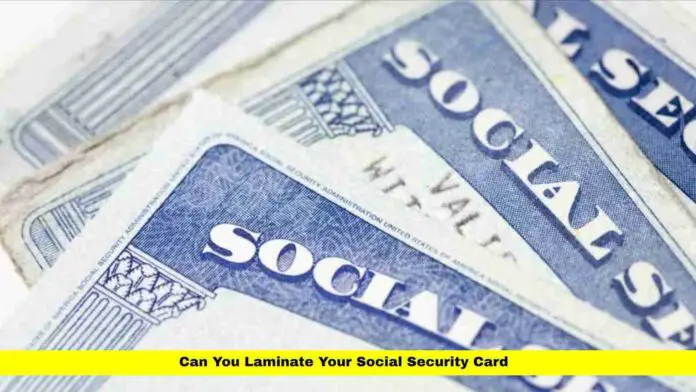
Many Americans quietly worry about how to protect one of their most important personal documents. The small paper card issued early in life often travels through decades of moves, job changes, and life milestones. Over time, it can crease, fade, or tear, prompting people to consider ways to preserve it. One option frequently discussed is sealing it in plastic. While that idea seems practical on the surface, the reality is more complex and worth understanding in detail.
This in-depth report explores the current realities surrounding lamination, why the issue continues to generate confusion, and what practical choices work best for people who want to avoid future problems.
Table of Contents
Why This Document Matters So Much
This card is more than a simple piece of paper. It represents access to employment, retirement benefits, disability support, and many financial processes. Employers rely on it during hiring. Government offices reference it for benefits. Banks and institutions may request it for identity confirmation.
Because of its importance, any change to its physical condition can have consequences. Preservation is necessary, but preservation methods matter.
The Appeal of Sealing It in Plastic
Lamination feels like a logical solution. It protects against spills, tears, and general wear. Parents often laminate school IDs and certificates, so the habit carries over into adulthood.
People who have experienced damage to documents in the past are especially drawn to this idea. The fear of losing or ruining such an essential record drives many to search for permanent protection.
Why Federal Guidance Discourages This Practice
Although there is no criminal punishment for sealing the card in plastic, official guidance has consistently advised against it. The reason lies in how authenticity is confirmed.
The paper, ink, and subtle security elements are designed to be examined directly. Once plastic covers the surface, inspection becomes harder. Even if all information remains visible, the altered condition may raise doubts during verification.
How Verification Works in Real Life
When a document is reviewed for employment or government purposes, staff often look for physical signs of originality. These include texture, clarity, and alignment.
Plastic sealing can reflect light, blur fine details, or hide security characteristics. For organizations required to follow strict rules, uncertainty alone can lead to rejection.
Employment Situations Where Issues Arise
During onboarding, workers must provide documents that prove identity and authorization to work. Some employers accept sealed cards without question. Others avoid them entirely to reduce compliance risk.
If a hiring manager is unsure, they may request an alternative document or ask for a replacement card. This can delay start dates and complicate paperwork.
Interactions With Government Offices
Government agencies tend to follow uniform verification standards. Staff may need to handle and examine the original document.
A card altered by plastic covering may trigger additional questions. In some cases, agencies request an unaltered version before completing benefit enrollment or updates.
Understanding the Difference Between Illegal and Unadvised
A key misunderstanding is the belief that lamination is forbidden by law. It is not. The issue is functional acceptance, not legality.
A sealed card can still be genuine. The problem is whether others will accept it without hesitation. That uncertainty is what makes lamination risky.
Replacement Cards and Why They Exist
The replacement process exists for a reason. Cards can be lost, damaged, or altered. Sealing one in plastic may place it in the “altered” category for practical purposes.
While obtaining a replacement is usually straightforward, there are limits over a lifetime. Avoiding unnecessary replacements is wise.
Why Carrying the Card Daily Is Discouraged
Many people assume protecting the card means keeping it close. In reality, daily carry increases the chance of loss or theft.
Most adults rarely need the physical card. Storing it securely at home reduces exposure and risk.
Identity Theft Considerations
Protecting the document also means protecting the number printed on it. Plastic covering does nothing to prevent misuse if the card is lost or stolen.
In some cases, feeling “safe” because it is sealed may encourage people to carry it more often, increasing vulnerability.
Safer Ways to Preserve the Card
There are better options that maintain the original condition while preventing damage. These methods do not interfere with verification.
Common alternatives include storing it flat in a protective sleeve, placing it in a secure home safe, or keeping it in a dedicated document folder. These options protect without altering.
Environmental Factors That Cause Damage
Heat, moisture, and sunlight are major enemies of paper documents. Over time, exposure can weaken fibers and fade ink.
Choosing a dry, cool storage location makes a significant difference in long-term preservation.
Folding and Creasing Concerns
Folding the card to fit in a wallet may seem harmless, but repeated creasing weakens the paper. Over years, this can lead to tearing.
Keeping it flat helps preserve its structure and appearance.
Photocopies and Digital Images
Many people keep copies for reference. This can be useful for remembering the number when filling out forms.
However, copies do not replace the original for official purposes. Only the authentic card meets verification standards.
What Happens if a Laminated Card Is Rejected
Rejection does not mean punishment. It simply means the organization cannot confidently verify authenticity.
In such cases, requesting a replacement is typically the fastest solution. Once issued, the new card should remain unaltered.
Lifetime Limits on Replacements
There are limits on how many replacement cards an individual can receive, with certain exceptions. This policy encourages careful handling of the original.
Using up replacements due to preventable issues can reduce flexibility later.
Why Conflicting Advice Exists Online
Much of the confusion comes from personal anecdotes. Some people report no issues with sealed cards, while others face rejection.
Both experiences are possible. Acceptance depends on the organization reviewing the document, not on a universal rule.
Consistency in Official Recommendations
Despite changing technology, the guidance against lamination has remained steady. As document fraud becomes more sophisticated, preserving original features matters more than ever.
Consistency helps employers and agencies apply uniform standards.
Long-Term Document Management Strategies
Organizing important records reduces stress during major life events. A single secure location for birth certificates, passports, and this card simplifies access.
Periodic checks ensure documents remain in good condition.
Why This Topic Continues to Trend
As identity theft rises and verification rules tighten, people pay closer attention to document handling. Questions about preservation naturally follow.
Understanding the practical consequences helps people make informed decisions rather than relying on assumptions.
The Practical Bottom Line
Sealing the card in plastic may seem protective, but it introduces uncertainty. That uncertainty can lead to delays, extra paperwork, or replacement requests.
Choosing non-altering protection methods preserves both the document and peace of mind.
Making the Best Choice for the Future
Preserving this essential record is about balance. Protection matters, but so does acceptance. The safest approach is one that keeps the card intact and recognizable.
With proper storage and limited handling, the card can last a lifetime without modification.
Final Thoughts
Understanding the realities of document preservation helps avoid unnecessary stress later. Smart storage choices today can prevent complications tomorrow.
Have you ever had an issue with document acceptance, or do you have a preservation tip to share? Join the conversation and stay informed.

