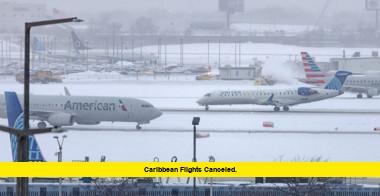
caribbean flights canceled dominated travel headlines as widespread air disruptions swept across the Caribbean, affecting thousands of U.S. and international travelers. What began as a sudden aviation safety response quickly escalated into one of the most significant regional travel interruptions in recent years, grounding flights, closing airspace corridors, and leaving airports struggling to manage stranded passengers.
This article presents a clear, factual breakdown of what happened, why flights were canceled, how airlines and authorities responded, and what travelers should expect next.
Table of Contents
What Triggered the Caribbean Flight Cancellations
On January 3, 2026, a dramatic geopolitical development unfolded when U.S. forces conducted a coordinated military operation inside Venezuela that resulted in the capture of President Nicolás Maduro and his wife, Cilia Flores. The operation immediately raised aviation security concerns across northern South America and the Caribbean basin.
Following the operation, U.S. aviation authorities implemented emergency flight restrictions covering Venezuelan airspace and adjacent Caribbean flight paths. These restrictions were issued to ensure passenger and crew safety during a period of heightened military activity and regional uncertainty.
Commercial airlines were required to comply instantly. As a result, flights already in the air were rerouted, departures were halted, and hundreds of scheduled Caribbean flights were canceled within hours.
How Widespread the Disruptions Became
The cancellations affected a large portion of the Caribbean travel network, particularly routes connecting the eastern United States to island destinations. Flights to and from Puerto Rico, the U.S. Virgin Islands, Aruba, Curaçao, and several Lesser Antilles destinations were among the hardest hit.
Major U.S. airports on the East Coast also experienced cascading disruptions. New York, Florida, and Texas airports reported dozens of canceled departures tied directly to Caribbean routes. In San Juan, Puerto Rico’s main international airport, more than half of all scheduled flights were grounded at the height of the disruption.
Airports across the region quickly became congested as passengers searched for rebooking options, accommodations, or alternate routes home.
Impact on Travelers and Airports
For travelers, the situation was abrupt and confusing. Many passengers arrived at airports only to discover their flights canceled with little advance notice. Others found themselves stranded at connecting hubs after incoming flights were suspended.
Hotels in major Caribbean destinations reported sudden spikes in occupancy as travelers were forced to extend their stays. Rental car availability tightened, and airport customer service lines stretched for hours.
Families returning from holidays, cruise passengers attempting to reach ports, and business travelers all faced delays that extended well beyond their original schedules.
Airlines’ Immediate Response
Airlines responded by activating emergency disruption protocols:
- Change and cancellation fees were broadly waived for affected routes.
- Passengers were offered rebooking options on later flights once airspace restrictions eased.
- Additional flights were planned to help clear passenger backlogs once operations resumed.
- Customer service teams were expanded to handle the surge in rebooking requests.
Despite these measures, airlines cautioned travelers that recovery would take time due to aircraft repositioning, crew scheduling challenges, and congestion at major hubs.
Lifting of Flight Restrictions and Gradual Recovery
Late on January 4, aviation authorities allowed the emergency airspace restrictions to expire. This decision cleared the way for airlines to begin restoring service to Caribbean destinations.
Flights did not return instantly. Airlines restarted operations in phases, prioritizing stranded passengers and high-demand routes. Some overnight flights resumed first, followed by expanded schedules over the next 24 to 72 hours.
Even after restrictions were lifted, delays persisted as airlines worked through aircraft availability issues and crew duty limits caused by the earlier shutdown.
Economic Impact on Caribbean Tourism
The Caribbean tourism sector felt the impact immediately. Winter is one of the busiest travel seasons for the region, and the sudden halt in air travel disrupted hotel occupancy, excursion bookings, and local transportation services.
Small island economies that depend heavily on steady air access faced operational challenges, particularly in accommodating stranded visitors. Tourism officials worked closely with airlines and local governments to manage airport congestion and provide assistance to affected travelers.
Cruise itineraries were also affected, with some passengers missing departures due to canceled inbound flights. Cruise operators offered alternative sailing options or travel credits in response.
What Travelers Should Do Now
Travelers impacted by Caribbean flight cancellations are advised to:
- Confirm flight status directly with airlines before heading to the airport.
- Rebook early, as demand remains high during recovery operations.
- Keep documentation for hotel stays, meals, and transportation incurred due to cancellations.
- Allow extra time for connections as schedules normalize.
While most airline policies are flexible during large-scale disruptions, travelers should review individual fare rules and travel insurance coverage.
Maduro’s Capture and Its Role in the Disruption
The capture of Nicolás Maduro marked a major turning point in Venezuelan and regional politics. U.S. officials confirmed that Maduro and his wife were removed from Venezuela following the operation, creating an immediate leadership vacuum inside the country.
The operation involved military assets that raised airspace security risks, prompting aviation authorities to act swiftly. While the political implications continue to unfold, the immediate aviation response was driven by safety concerns rather than commercial considerations.
This event illustrates how geopolitical actions can have rapid and far-reaching effects on civilian travel, even far beyond the borders of the country directly involved.
What Comes Next for Caribbean Air Travel
Airlines expect Caribbean schedules to stabilize progressively as aircraft and crews return to their normal rotations. Full normalization may take several days, depending on demand, weather, and operational capacity.
Travel authorities continue to monitor regional conditions closely. While no new restrictions are currently in place, airlines remain prepared to adjust routes if necessary.
For travelers planning upcoming Caribbean trips, airlines recommend flexibility, early check-ins, and close monitoring of flight updates.
Have you been affected by recent Caribbean flight cancellations or delays? Share your experience or questions below and stay updated as travel operations continue to recover.

