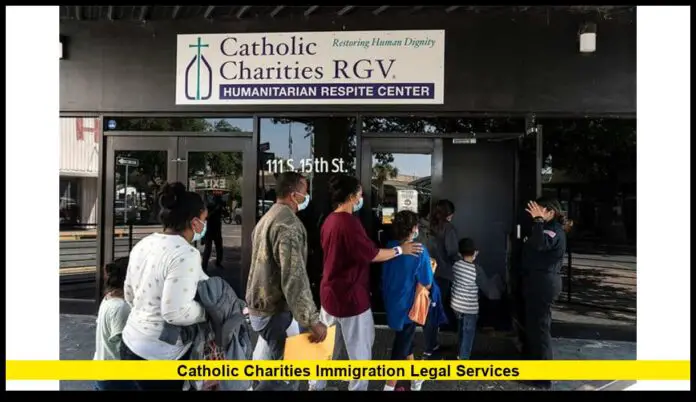
Catholic Charities immigration legal services continue to play a central role in supporting immigrant families across the United States, especially in a year marked by changing federal policies, shifting state-level support, and rising community demand. These programs—operating through local Catholic Charities agencies nationwide—remain among the largest nonprofit networks providing affordable, accredited immigration assistance in the country.
Throughout 2025, many local programs have strengthened operations by adding new staff, expanding appointment availability, increasing community outreach, and updating service models to reflect the evolving needs of immigrant communities. As a result, families seeking legal guidance are now witnessing broadened access and improved service delivery in regions that previously struggled with limited resources or long wait times.
Table of Contents
A Growing National Network Supporting Thousands of Families
Catholic Charities offices across the U.S. collectively serve hundreds of thousands of immigrants each year through structured legal-assistance programs, community clinics, and educational workshops. These programs operate within both urban and rural regions, including major metropolitan areas such as Los Angeles, Chicago, Houston, Washington, Miami, New York City, and Seattle, as well as smaller counties that depend heavily on nonprofit legal aid due to a scarcity of immigration attorneys.
The network’s strength lies in its combination of qualified immigration attorneys, Department of Justice–accredited representatives, trained caseworkers, and multilingual support staff. This team structure enables them to manage a wide spectrum of legal matters, ranging from routine filings to complex humanitarian cases.
During 2025, many offices have reported steady increases in caseloads involving:
- Family reunification applications
- Humanitarian protections
- Citizenship and naturalization
- DACA renewals
- Employment authorization filings
- Legal screenings for possible relief
These trends reflect broader national patterns, including increased migration, changes to federal immigration procedures, and emerging opportunities for eligible immigrants to adjust their status.
Key Improvements Among Local Programs
Throughout the year, Catholic Charities immigration legal services in multiple states have implemented improvements to increase their capacity. These enhancements have focused on staffing, technological upgrades, community engagement, and service expansion.
1. Staffing Increases to Reduce Backlogs
Many local programs entered 2025 with long waitlists, often caused by years of heightened demand and limited personnel. To address this, several offices hired additional attorneys, accredited representatives, legal assistants, and administrative staff. These new hires have helped reduce appointment backlogs, speed up case processing, and enable agencies to reopen services that had been temporarily paused during peak overload periods.
Staff growth also allowed programs to reintroduce in-person intakes, which had been scaled back in some regions during transitions to hybrid or virtual operations. For clients, especially those who struggle with language barriers or limited internet access, the return of in-person options has greatly improved the service experience.
2. Expansion of Low-Cost and No-Cost Consultations
Affordability remains at the heart of Catholic Charities immigration legal services. Many offices have expanded their low-cost consultations for general immigration matters and added free legal screenings for vulnerable groups such as asylum seekers, survivors of violence, and children in specific humanitarian categories.
This broader access helps protect families who might otherwise turn to unlicensed or fraudulent service providers—an issue still common in immigrant communities. By increasing reliable, properly accredited assistance, these programs strengthen legal outcomes and community safety.
3. Upgraded Appointment Systems and Digital Tools
To improve efficiency and accessibility, several offices have updated appointment-management systems, adding:
- Online scheduling portals
- Mobile-friendly intake forms
- Remote consultation options by phone or video
- Multilingual instructions and appointment reminders
These investments have made it easier for families to schedule appointments and receive guidance without long office wait times. Digital modernization has been particularly impactful in regions serving clients who live far from office locations or lack consistent transportation.
4. Stronger Partnerships with Local Communities
Catholic Charities agencies have continued to build partnerships with community groups, parishes, cultural organizations, and local nonprofits to strengthen outreach. Many programs now host mobile legal clinics at community centers, faith-based institutions, schools, and resource fairs, bringing immigration services directly into neighborhoods.
These events often provide:
- On-site legal screenings
- Document-preparation support
- Information sessions on legal rights
- Citizenship workshops
- Updates on current immigration processes
This type of community-centered approach ensures that families receive accurate legal information in trusted environments.
Services Offered Throughout the Network
Even as operational details vary by location, Catholic Charities immigration legal services share a standard set of offerings that reflect the network’s mission and expertise. In 2025, families across the U.S. have access to services such as:
Family-Based Immigration Assistance
Guidance for those applying for permanent residency through family petitions remains one of the most frequently requested services. Staff help with forms, evidence gathering, affidavits, and interview preparation.
Naturalization and Citizenship Support
Citizenship assistance continues to grow as one of the network’s largest service areas. Many offices offer citizenship classes, application workshops, and one-on-one legal support to help eligible residents navigate the naturalization process.
Humanitarian Relief Applications
These services include support for survivors of domestic violence, trafficking victims, unaccompanied minors, and individuals eligible for protections based on harm or danger in their home countries.
Asylum Preparation
Many offices assist with asylum documentation preparation, affidavits, and legal-navigation support to help applicants meet strict U.S. filing deadlines and requirements.
Legal Screenings
Comprehensive screenings ensure clients understand all forms of relief they may be eligible for rather than pursuing only one option. Screenings are especially crucial for individuals with complex histories or potential routes to residency.
Work Authorization Filings
Assistance with initial applications and renewals allows individuals to access lawful employment opportunities, which support long-term self-sufficiency.
Community Education Workshops
These workshops help families understand rights, identify scams, learn about key legal changes, and prepare for citizenship or legal relief.
Why These Programs Remain Essential in 2025
Immigration law remains one of the most complicated areas of federal regulation in the United States. Even minor errors in forms can lead to delays, requests for additional evidence, or denials. Many immigrants, especially those in low-income communities, cannot afford private attorneys or may have limited access to reliable legal information.
Catholic Charities immigration legal services continue to fill this gap by offering:
- Accredited representation
- Culturally sensitive services
- Multilingual communication
- A focus on underserved populations
- Affordable legal assistance
- Ethical, professional guidance
This combination has made the network a trusted resource for many families who need consistent, high-quality help navigating a complex legal environment.
Ongoing Challenges Facing Local Programs
Even with progress, 2025 has highlighted several persistent challenges that nonprofit immigration programs continue to face.
High Demand for Services
Demand still exceeds capacity in many major cities and rural counties. Some offices periodically pause new intakes to manage existing caseloads. This reflects national patterns, as immigration filing numbers remain high and new legal pathways attract more applicants.
Funding Limitations
Many programs rely on grants, philanthropic support, and annual funding cycles. Fluctuations can affect staffing, intake levels, and the number of free consultations offered.
Complex Federal Requirements
Immigration rules shift frequently. Programs must continually train staff to stay aligned with federal policy changes and procedural updates.
Geographic Barriers
Rural areas often have only one or two nonprofit immigration service providers covering large regions. Travel distance, limited public transportation, and language needs create challenges for immigrant families seeking help.
Looking Ahead: Continued Growth and Service Development
The outlook for Catholic Charities immigration legal services in 2026 appears strong. Many offices are preparing to increase staffing, add new service offerings, expand bilingual outreach, and launch advanced digital tools to support remote consultations.
The continued commitment to affordable legal help will remain essential as immigration trends evolve. Families seeking lawful pathways depend on accurate guidance, accessible support, and trustworthy representation—qualities that remain central throughout the Catholic Charities network.
If you’ve benefited from these services or want to share how immigration assistance has impacted your family, feel free to comment below and stay informed as new updates emerge.

