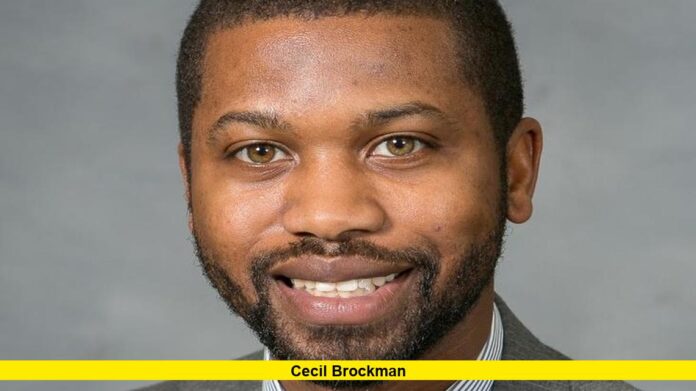
Cecil Brockman was arrested this week on multiple sex crime charges involving a minor, sending shockwaves through North Carolina’s political world. As details emerge, pressure on the longtime lawmaker to step down is mounting rapidly, with leaders from both political parties calling for immediate action. The case has ignited intense public debate about accountability, trust in public institutions, and the consequences of criminal allegations for elected officials.
Table of Contents
Arrest and Charges: The Allegations Against Cecil Brockman
The arrest of Cecil Brockman followed a formal investigation that culminated in serious criminal charges. Authorities have charged him with two counts of indecent liberties with a child and two counts of statutory rape involving a minor between the ages of 13 and 15. Investigators allege that the incident occurred in mid-August, and evidence gathered during the probe led to his detention.
Brockman is currently being held without bond in the High Point Detention Center. Officials cited concerns about his alleged attempts to contact the juvenile involved, as well as claims that he tried to track the minor at a medical facility. These factors were presented during the bond hearing, resulting in a decision to keep him in custody while the legal process unfolds.
His first court appearance is scheduled to take place on Thursday afternoon. This hearing will set the tone for the case, with prosecutors expected to outline their evidence and defense attorneys preparing their strategy.
A Long Political Career Overshadowed by Allegations
Cecil Brockman has been a fixture in North Carolina politics for more than a decade. Elected in 2014 to represent his district in Guilford County, he quickly established himself as a familiar figure in the state legislature. Over six consecutive terms, he built a reputation as both a loyal Democrat and an occasionally independent voice who sometimes crossed party lines on key votes.
Throughout his career, Brockman played a notable role in legislative negotiations, often serving as a swing vote on contentious issues such as budget allocations and veto overrides. His willingness to work with Republican leadership on certain measures distinguished him from many in his caucus. For years, he held a relatively stable position, rarely facing serious electoral threats.
These criminal charges, however, now threaten to erase that political legacy. The arrest has not only raised questions about his personal conduct but has also forced his colleagues to confront a politically explosive scandal in the middle of a legislative session.
Immediate Political Fallout and Bipartisan Pressure
The reaction to Brockman’s arrest was swift and severe. Leaders from both major parties have made it clear that his continued presence in the legislature is unacceptable in light of the charges.
Democratic Party officials urged him to resign immediately, arguing that the seriousness of the allegations made it impossible for him to fulfill his duties. Democratic leadership in the House echoed that sentiment, noting that while the legal process must proceed, his role as a public official is incompatible with charges of this magnitude. Several Democratic lawmakers released individual statements condemning the alleged actions and calling for accountability.
Republican leaders quickly joined in, issuing their own statements demanding his resignation. The House Speaker described the charges as “deeply troubling” and emphasized the need for swift action to preserve the integrity of the legislature. The Majority Leader expressed similar views, stating that the legislature cannot function effectively while such serious allegations hang over one of its members.
This rare display of bipartisan unity underscores the gravity of the situation. Political calculations aside, both parties recognize the reputational damage and operational disruption that could result if Brockman remains in office during an extended legal battle.
Inside the Legal Process: What Happens Next
Brockman’s case will now move through the judicial system, beginning with his initial court appearance. At this stage, the judge will formally read the charges, determine whether there is sufficient evidence to proceed, and set conditions for future hearings.
Because the charges involve indecent liberties with a child and statutory rape, the penalties are extremely severe. A conviction on even one count could result in lengthy prison sentences, mandatory registration as a sex offender, and permanent disqualification from holding public office. Prosecutors are expected to handle the case with urgency, given its high-profile nature and the age of the alleged victim.
The defense will likely challenge aspects of the investigation and attempt to secure bail at a later stage. The timeline for such cases can vary, but given the public attention, it’s expected that proceedings may move more swiftly than usual.
Impact on the North Carolina Legislature
The arrest of a sitting representative has immediate ramifications for legislative operations. Brockman’s absence leaves a potential gap in voting margins, especially on closely contested bills. His district has historically been a decisive factor in certain legislative battles, and his removal or suspension could shift the political balance.
Lawmakers may also consider disciplinary actions. While resignation is the most straightforward path, the legislature has mechanisms to suspend or expel members facing serious criminal allegations. These procedures are often politically sensitive but may become unavoidable if Brockman refuses to step down.
Party strategists are also beginning to think ahead to the possibility of a special election or an appointment to fill his seat. The outcome will depend on the timing of any resignation, conviction, or removal proceedings.
Public Reaction and Community Response
News of the arrest has provoked a strong reaction among constituents and community leaders. Many residents expressed shock, anger, and disappointment, particularly because the allegations involve a trusted elected official. Calls for accountability have grown louder, with some community organizations demanding stricter oversight mechanisms to prevent similar incidents in the future.
Parents and advocacy groups focused on child protection have been especially vocal, urging lawmakers to prioritize the safety and well-being of minors over political considerations. Social media platforms have been flooded with discussions, with some emphasizing the importance of due process while others demand immediate resignation and consequences.
For many constituents, the situation has shaken confidence in public institutions. The case has reignited broader conversations about the responsibility of elected officials, the standards they must uphold, and how institutions should respond when serious criminal allegations arise.
Detailed Breakdown of Charges
| Charge Type | Victim’s Age Range | Number of Counts | Description |
|---|---|---|---|
| Indecent Liberties with a Child | Under 16 | 2 | Alleged sexual misconduct involving a minor under the legal age threshold. |
| Statutory Rape | 13–15 | 2 | Alleged sexual activity with a minor between the ages of 13 and 15. |
Each of these charges carries significant penalties, and the combination of multiple counts intensifies the potential legal consequences. Prosecutors will need to present compelling evidence, including witness testimony, forensic findings, and digital records, to secure convictions.
Possible Political Scenarios
Several potential scenarios could play out in the coming weeks:
- Immediate Resignation
Brockman could choose to step down before his case proceeds further, avoiding prolonged political turmoil. This would allow party leadership to focus on selecting a replacement and stabilizing legislative operations. - Legislative Removal
If Brockman refuses to resign, legislative leaders could initiate proceedings to suspend or expel him from office. This route can be politically challenging but may be necessary to maintain institutional credibility. - Protracted Legal Fight
Brockman may decide to contest the charges aggressively, remaining in office during the legal process. This would likely create ongoing disruption and keep the legislature under a cloud of controversy. - Conviction and Automatic Removal
A conviction on any of the charges would almost certainly result in his removal from office and could lead to a special election to fill the vacancy. - Acquittal or Dismissal
If the case is dismissed or he is acquitted, Brockman could attempt to retain his seat, though the political fallout would likely linger.
Wider Implications for Political Accountability
The arrest of Cecil Brockman has reignited discussions about the ethical responsibilities of public officials. Voters and watchdog groups are questioning how such allegations can be addressed more swiftly, how parties handle internal discipline, and what mechanisms can prevent officials from holding office while facing serious charges.
It also raises questions about the role of due process in politics. While every individual is entitled to a fair trial, public officials are held to higher standards because of the trust placed in them by the community. Balancing legal rights with public expectations is a complex but unavoidable part of this unfolding story.
A Case That Will Shape State Politics
The outcome of this case will have long-lasting effects on North Carolina’s political environment. It could influence upcoming elections, alter legislative dynamics, and prompt new ethics reforms aimed at preventing similar crises. As lawmakers, constituents, and the public watch closely, every development will carry significant weight.
This is a pivotal moment in the state’s political landscape, and the case surrounding Cecil Brockman is far from over. Share your thoughts below and stay engaged as this story continues to unfold.

