
Chain Mexican restaurants are experiencing a dramatic shift in 2025. Once considered reliable anchors of the casual dining sector, several prominent brands are now filing for bankruptcy, closing dozens of locations, or overhauling their operations in an attempt to survive. From legacy names to growing regional players, the financial strain is exposing weaknesses in business models that had seemed stable for decades.
This growing wave of closures and restructuring efforts is reshaping communities, changing how Americans dine out, and signaling the start of a new chapter for the Mexican and Tex-Mex restaurant industry.
Table of Contents
Abuelo’s Bankruptcy Shakes the Casual Dining Landscape
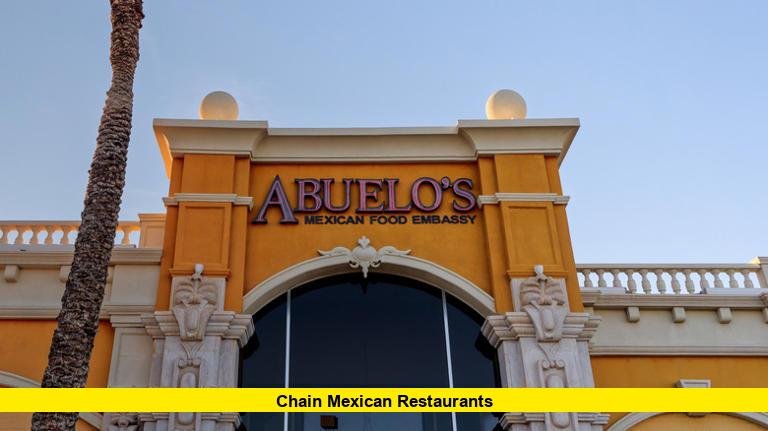
The most striking moment in this year’s wave of financial troubles came when Abuelo’s filed for Chapter 11 bankruptcy protection. Known for its warm atmosphere and large, sit-down locations, Abuelo’s had long been a favorite for family dinners and celebrations. But in 2025, rising costs and falling sales created a financial situation the company could no longer manage.
The bankruptcy filing involved closing more than half of the company’s locations. Many of these restaurants had operated for years in suburban shopping districts, often serving as anchor tenants. Now, dozens of those storefronts sit empty.
The company’s leadership explained that food inflation, labor shortages, and changing consumer preferences all combined to create an unsustainable situation. Even strong performing units faced thinner margins, and underperforming locations became too costly to maintain.
For customers who had visited their local Abuelo’s for years, the closures are more than just business news—they’re the end of a familiar tradition.
On The Border Restructuring Signals Industry-Wide Trouble
Not long before Abuelo’s announcement, another major brand—On The Border Mexican Grill & Cantina—entered bankruptcy proceedings as well. Once a dominant chain in the Tex-Mex category, On The Border struggled throughout 2024 and into 2025 as customer traffic declined and operational costs increased.
The company made the difficult decision to shutter dozens of underperforming restaurants. Its restructuring plan focused on reducing debt, shrinking its footprint, and repositioning remaining locations in markets where the brand still has strong loyalty.
Unlike many newer fast-casual concepts, On The Border relies heavily on full-service dining with large kitchens, expansive menus, and labor-intensive operations. These features, once competitive advantages, became liabilities in a market where consumers are seeking faster, cheaper, and more flexible dining options.
Ownership changes and investment interest have emerged during the restructuring process, hinting that the brand may eventually be absorbed into a larger restaurant group. But for now, the company faces the same challenge as many other chain Mexican restaurants: finding a sustainable business model in a new economic environment.
Taco Cabana Closes Stores as It Rethinks Its Strategy
While some chains are filing for bankruptcy, others are taking quieter steps to avoid that outcome. Taco Cabana, a well-known Texas-based chain, has spent much of 2025 evaluating its store portfolio. The company has closed multiple locations in key markets, particularly in suburban areas where traffic has softened.
The strategy appears to focus on preserving high-performing urban stores and experimenting with leaner operational models. Drive-through service, smaller menus, and simplified staffing structures are becoming more prominent in surviving locations.
These quiet closures reflect a broader trend: many chain Mexican restaurants are choosing to contract before financial distress forces their hand. By proactively trimming their networks, they hope to avoid bankruptcy filings while adapting to new consumer habits.
Chi-Chi’s Comeback Offers a Different Kind of Story
In the middle of this turbulent period, one brand has chosen to go against the tide. Chi-Chi’s, a once-iconic name in Mexican casual dining, surprised many by returning to the U.S. market in October 2025. The new concept blends nostalgia with modernization, opening its first revived location in Minnesota.
The strategy behind the revival focuses on three pillars:
- Legacy appeal – bringing back classic dishes that long-time fans remember.
- Modern operations – adopting efficient kitchen systems and digital ordering tools.
- Targeted expansion – starting small rather than launching dozens of locations at once.
While it’s still too early to know whether Chi-Chi’s can succeed in the modern market, its return shows that brand heritage still holds value—if it’s paired with smart business adaptation. The comeback has generated buzz among diners who fondly remember the chain from its heyday, as well as younger customers curious about a “new old” name in the Mexican dining space.
Why Chain Mexican Restaurants Are Particularly Vulnerable
The financial stress hitting this segment is not just coincidence. Several structural factors make chain Mexican restaurants especially susceptible to the current economic climate:
1. Volatile Ingredient Prices
Key ingredients such as avocados, tomatoes, cheese, and beef have experienced sharp price swings. These fluctuations cut into margins, especially for brands with menu items built around fresh produce and dairy.
2. Labor Costs and Staffing Issues
Many chains are still struggling to hire and retain workers. Higher minimum wages in multiple states and competition from other service sectors have driven labor costs upward, affecting both kitchen and front-of-house operations.
3. Consumer Behavior Shifts
Dining habits have changed dramatically since the pandemic. Customers are increasingly opting for fast-casual experiences, takeout, and delivery. Traditional sit-down restaurants, with their longer service times and higher prices, are losing ground.
4. Debt from Past Expansion
Some chains expanded rapidly in the 2000s and 2010s. That expansion often relied on debt financing. In today’s environment of higher interest rates and lower traffic, servicing that debt has become far more challenging.
5. Rising Competition from Independents
Independent taquerias, food trucks, and regional chains are thriving by offering authenticity, speed, and value. These smaller operations often have lower overhead and can adapt more quickly than large chains.
Community Impact: More Than Just Empty Buildings
The closures of chain Mexican restaurants are not just a financial story—they’re also community stories. Many of these restaurants were social hubs, places where families celebrated birthdays, where friends gathered for after-work drinks, and where neighborhoods built traditions.
When these establishments shut their doors, the effects ripple through local economies:
- Jobs are lost, from servers and cooks to managers and delivery drivers.
- Shopping centers and suburban plazas lose anchor tenants, which can hurt nearby businesses.
- Communities lose gathering spaces that played a role in daily social life.
This community impact adds a human layer to the wave of bankruptcies. It’s not just about numbers on a balance sheet—it’s about familiar places disappearing from the landscape.
The Road Ahead: What to Expect in the Coming Year
Looking forward, several trends are likely to shape the next phase of this transformation:
- More targeted bankruptcy filings as smaller regional chains face the same pressures currently hitting larger brands.
- Increased mergers and acquisitions as financially stronger restaurant groups absorb struggling Mexican chains.
- Experimentation with formats, including smaller footprints, streamlined menus, and hybrid service models blending dine-in with digital convenience.
- Selective comebacks from legacy brands leveraging nostalgia, like Chi-Chi’s, to reconnect with customers.
- Greater emphasis on technology for operations, ordering, and marketing to improve efficiency and meet changing expectations.
The chains that adapt quickly—whether through downsizing, innovation, or rebranding—will have the best chance of survival. Those that cling to outdated models are likely to face more closures in the months ahead.
Conclusion
The bankruptcy wave sweeping through chain Mexican restaurants in 2025 marks a defining moment for the industry. Well-known names like Abuelo’s and On The Border are restructuring to stay alive, while others like Taco Cabana are quietly shrinking their footprint. At the same time, unexpected stories like Chi-Chi’s comeback prove that reinvention is still possible in a rapidly changing dining landscape.
As this transformation unfolds, the fate of these chains will depend on how well they respond to rising costs, shifting consumer preferences, and new competitive realities. Have you noticed closures or changes at your favorite Mexican chains this year? Share your thoughts and keep the conversation going below.