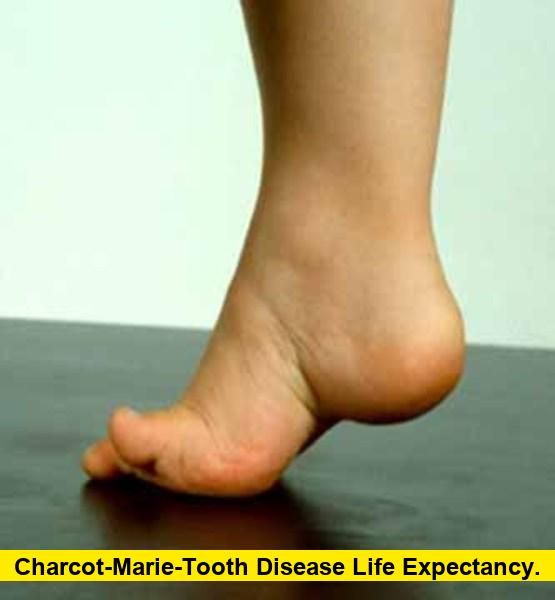
Charcot-Marie-Tooth disease (CMT) — a hereditary neurological disorder that affects the peripheral nerves — remains one of the most studied inherited neuropathies in modern medicine. As research accelerates and new therapies emerge, a central question continues to concern patients and families alike: Does Charcot-Marie-Tooth disease affect life expectancy?
The answer, based on the latest 2025 findings, is reassuring. Charcot-Marie-Tooth disease generally does not reduce life expectancy. While it can significantly impact mobility and muscle strength, most individuals live long, full lives with proper care and management. This updated guide explains how CMT affects longevity, what new medical breakthroughs are improving outcomes, and how patients can maintain health and independence through every stage of life.
Table of Contents
What Is Charcot-Marie-Tooth Disease?
Charcot-Marie-Tooth disease is a genetic condition that damages the peripheral nerves, which control muscle movement and sensory functions in the arms, hands, legs, and feet. It is named after three physicians — Jean-Martin Charcot, Pierre Marie, and Howard Henry Tooth — who first described it in 1886.
CMT affects approximately 1 in 2,500 people globally, though symptoms vary widely between individuals and subtypes. It is a progressive condition, meaning it worsens over time, but unlike many neurological disorders, it does not attack the brain or internal organs — which is why life expectancy is usually unaffected.
Life Expectancy and Charcot-Marie-Tooth Disease
Despite its chronic nature, CMT is not considered life-shortening. People diagnosed with this condition can expect to live a normal lifespan, though they may face long-term challenges related to muscle weakness, balance, and coordination.
Why Longevity Remains Normal
- Peripheral nerve focus: The disease affects movement and sensation, not vital organ function.
- Slow progression: Symptoms develop gradually, allowing early intervention and adaptation.
- Improved medical support: Modern therapies and assistive technologies have transformed patient outcomes.
- Better self-management: With regular physiotherapy, patients can maintain strength and flexibility throughout life.
Although physical limitations may increase with age, the majority of people with CMT do not experience a shortened lifespan.
Rare Cases with Increased Health Risks
While most patients live long, healthy lives, severe or rare variants of Charcot-Marie-Tooth disease can occasionally lead to complications that affect longevity indirectly.
These may include:
- Respiratory muscle weakness, which can impair breathing in advanced cases.
- Limited mobility, which can lead to weight gain or cardiovascular complications.
- Injury from frequent falls or bone fractures due to muscle atrophy and imbalance.
- Chronic nerve pain and fatigue, which can lower overall health and well-being.
Such complications are uncommon and typically appear in rare subtypes, like CMT4 or CMT2A, rather than the more prevalent CMT1A form. Most individuals manage these issues effectively with early diagnosis and continuous care.
2025 Medical Advancements: Extending Quality of Life
The past few years have seen remarkable progress in how doctors understand and treat Charcot-Marie-Tooth disease. New therapies and technologies are helping patients stay active and healthy for longer than ever before.
1. Breakthroughs in Gene Therapy
Researchers are now focusing on correcting or silencing faulty genes responsible for CMT. Experimental therapies using CRISPR-Cas9 and viral vectors (AAV) have shown encouraging early results, with some studies indicating improved nerve conduction and muscle strength.
2. Smart Physical Therapy and Rehabilitation
Rehabilitation has gone high-tech. AI-driven gait analysis and motion sensors are now used in physical therapy to tailor exercise programs for individual patients. These personalized routines help preserve mobility, balance, and endurance well into older age.
3. Innovative Orthopedic Support
Lightweight orthotics, custom braces, and adaptive footwear continue to improve patient comfort and walking stability. Advanced materials and designs allow better flexibility, helping prevent secondary complications from poor posture or muscle strain.
4. Advances in Pain and Fatigue Management
Non-opioid medications, neuromodulation therapy, and targeted nerve stimulation have become essential in reducing neuropathic pain and fatigue — two of the most challenging symptoms of CMT. This has allowed patients to maintain consistent physical activity, improving their overall health and longevity.
Key Factors That Influence Longevity
While CMT itself doesn’t shorten life, certain personal and medical factors influence how comfortably and independently someone lives with it:
- Genetic subtype: Different mutations determine how severe or mild symptoms are.
- Onset age: Earlier onset can lead to greater long-term muscle loss.
- Activity level: Staying active helps maintain muscle strength and prevent complications.
- Lifestyle habits: Balanced nutrition, avoiding alcohol, and not smoking are vital.
- Access to care: Regular medical supervision ensures early intervention when issues arise.
In short, lifestyle management and ongoing medical care play a more significant role in longevity than the disease itself.
Living a Long and Healthy Life with CMT
A CMT diagnosis doesn’t define one’s future. With the right approach, individuals can lead active, fulfilling lives. Experts recommend a holistic strategy focused on physical, emotional, and social well-being.
Practical Tips for Long-Term Health
- Exercise regularly: Swimming, yoga, and cycling improve circulation and flexibility.
- Seek professional guidance: Regular checkups with neurologists and physiotherapists track progress and adapt care plans.
- Embrace assistive devices: Early use of braces or orthotics can prevent deformities and falls.
- Focus on joint health: Postural training and stretching reduce strain on weakened muscles.
- Support emotional wellness: Mental health support, counseling, and patient groups help maintain resilience and positivity.
When managed properly, CMT allows for decades of active living with minimal impact on lifespan.
A Future of Possibility: Research and Hope
As of 2025, Charcot-Marie-Tooth disease research has entered a new era of innovation. Scientists are moving from symptom relief toward true disease modification — targeting the genetic roots of CMT.
Clinical studies are advancing therapies that regulate the PMP22 protein, a major culprit in CMT1A, while stem cell treatments are being tested for their ability to regenerate damaged nerve cells.
With every milestone, the possibility of slowing or even reversing disease progression becomes more realistic — offering patients renewed optimism for the years ahead.
Conclusion: Long Life, Stronger Future
Charcot-Marie-Tooth disease affects mobility and strength, but not longevity. Most people with CMT live normal lifespans, supported by modern medicine, adaptive technologies, and proactive lifestyle choices.
The condition may bring physical challenges, but it doesn’t define the future. With early intervention, self-care, and emerging gene therapies, individuals with CMT can look forward to longer, healthier, and more independent lives than ever before.
In 2025, the outlook for Charcot-Marie-Tooth disease is brighter than ever — a future built on science, strength, and the power of perseverance.

