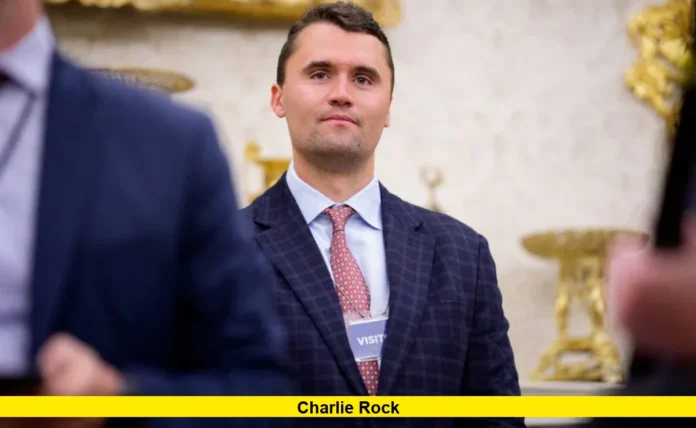
The Carolina Panthers have fired Charlie Rock, a staff member in their communications department, after controversial social media posts regarding the killing of conservative activist Charlie Kirk. The dismissal comes amid growing public outrage and increased scrutiny of how institutions respond to insensitive remarks during moments of national tragedy.
Table of Contents
Charlie Rock’s Role With the Panthers
Charlie Rock had recently been promoted within the Panthers’ public relations and communications team. His responsibilities included helping manage the team’s media messaging, press access, and community outreach. As an employee in a high-profile organization, Rock’s work put him in a visible role where professionalism and public conduct are heavily emphasized.
However, his personal social media activity quickly became a major issue for the NFL franchise once his comments about Charlie Kirk surfaced.
Posts That Sparked Controversy
Shortly after news broke that Charlie Kirk had been shot and killed during an event at Utah Valley University, Rock shared several posts on Instagram. Screenshots of these posts circulated online, drawing immediate attention.
The content of the posts was widely viewed as mocking and insensitive toward the late activist. One included references suggesting Kirk’s own words contributed to his fate, while another incorporated cultural references that many interpreted as making light of his death.
Within hours, the Panthers organization was facing mounting criticism from fans, commentators, and political voices.
The Panthers’ Response
The Carolina Panthers acted quickly. The team issued a statement clarifying that Rock’s posts did not reflect the views of the franchise. Officials emphasized that the organization does not condone violence or show disrespect toward victims of tragedy.
Following the internal review, Charlie Rock was terminated from his position. The decision was made public the next day, confirming the team’s stance that employees in visible roles must uphold standards consistent with the Panthers’ values.
Public Backlash and Reaction
Reaction to Rock’s posts and firing was swift across both the sports and political landscapes.
- Many fans expressed disappointment that someone affiliated with an NFL team would speak so insensitively about a public figure’s death.
- Commentators pointed out the speed of the firing, noting that it reflects how sports teams now act decisively to protect their reputation in the age of viral social media.
- Political leaders and activists weighed in, saying the comments demonstrated a lack of compassion at a time when the nation is already divided and grieving.
Broader Context: Social Media Accountability
The firing of Charlie Rock highlights a larger trend. In recent years, high-profile organizations have taken stronger stances against employees who share posts that clash with institutional values or provoke public outrage.
Sports franchises, universities, and major corporations are now expected to respond immediately when employees make comments that can be perceived as hateful, mocking, or supportive of violence.
Social media no longer exists in isolation from professional roles—personal accounts can have career-changing consequences, especially when linked to well-known institutions.
Parallel Fallout in Tennessee
Around the same time, a separate incident underscored this shift in accountability. At Middle Tennessee State University, an assistant dean faced termination for posting remarks online that expressed “zero sympathy” toward Charlie Kirk after his death. The university president confirmed her removal, stressing that such attitudes did not represent the institution.
Taken together, both the firing of Charlie Rock and the dismissal of the Tennessee university official show how employers are treating public commentary tied to violent events with zero tolerance.
Where Things Stand in the Investigation
While reactions to Rock’s firing continue, the investigation into Charlie Kirk’s killing is still ongoing. Authorities have not yet publicly released the name of the suspect but confirmed that they are pursuing leads, reviewing security footage, and examining the recovered weapon.
For many, the focus remains on justice for Kirk, while the firings illustrate how institutions manage the ripple effects of tragedies in real time.
Key Takeaways from the Charlie Rock Case
- Speed Matters: The Panthers responded within 24 hours, avoiding prolonged backlash.
- Public Figures Face Extra Scrutiny: Even mid-level staffers like Rock can become the face of controversy when their words spread online.
- Consequences Are Immediate: In both sports and academia, controversial posts tied to violence can end careers overnight.
- Wider Implications: The debate continues over free expression, compassion, and the limits of personal commentary in professional settings.
The Road Ahead for the Panthers
For the Panthers, this episode serves as a reminder of the delicate balance between personal expression and organizational values. The NFL team is now focused on moving past the controversy as the season continues, but the dismissal of Charlie Rock will likely remain a case study in how professional sports franchises handle staff accountability in the digital age.
Closing Thoughts
The firing of Charlie Rock shows how quickly careers can change in today’s environment of heightened sensitivity, rapid information sharing, and public accountability. While the investigation into Charlie Kirk’s killing continues, institutions like the Panthers and universities in Tennessee are making it clear that words matter—and that crossing certain lines carries real consequences.
Moments like these invite reflection on how we engage online, the responsibility we hold when speaking about tragedy, and the values organizations expect from those who represent them.
What are your thoughts on how teams and universities should respond in such cases? Share your perspective and join the conversation.

