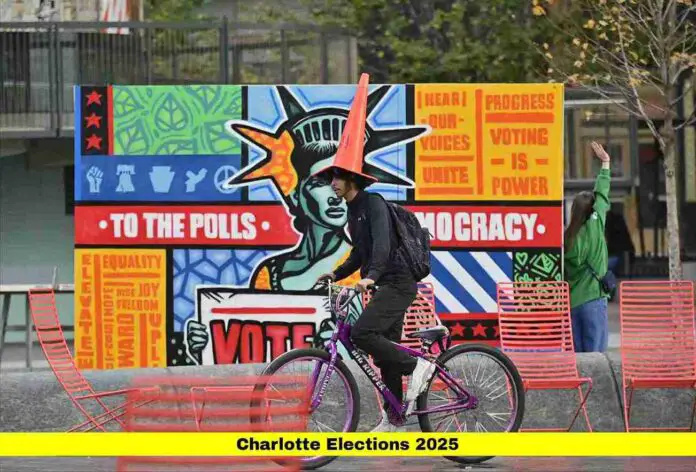
The Charlotte elections 2025 are shaping up to be one of the most significant municipal events in recent years. As voters prepare to cast their ballots in November, the city’s political and civic landscape is being closely watched. With the mayoral race, city council contests, and a key transit referendum on the ballot, these elections will influence how Charlotte grows and governs itself for years to come.
Table of Contents
Overview of the Election Landscape
The Charlotte elections 2025 will be held on Tuesday, November 4. Residents of Charlotte, North Carolina, will elect a mayor, city council members, and school board representatives. The municipal election follows a September 9 primary that determined the nominees for major party candidates. Early voting begins October 16 and continues until November 1, giving voters ample time to participate before Election Day.
In this election cycle, all 11 Charlotte City Council seats are being contested — including four at-large positions and seven district seats. Voters will also decide on six school board races and a county-wide transit referendum that could reshape Charlotte’s infrastructure for the next decade. The outcomes of these contests will determine how Charlotte tackles crucial issues like housing affordability, transportation, and public safety.
High-Profile Races to Watch
The mayoral race is at the center of the Charlotte elections 2025. Incumbent Mayor Vi Lyles, who has led the city since 2017, is seeking a fifth term in office. Lyles secured a decisive victory in the Democratic primary, receiving over 70% of the vote, reaffirming her popularity among local voters. Her leadership during Charlotte’s economic expansion, coupled with her focus on inclusive growth, has resonated with many residents.
However, her path to re-election faces challenges from Republican nominee Terrie Donovan and Libertarian candidate Rob Yates. Donovan’s campaign has centered on public safety and crime prevention, tapping into voter concerns following a series of high-profile incidents earlier this year. Yates, on the other hand, has emphasized government accountability and limiting spending, offering an alternative perspective to the two major parties.
Alongside the mayoral race, the at-large city council contests are drawing attention. Several incumbents are running for re-election, while new challengers are promising bold reforms. The council races are expected to influence Charlotte’s future direction on zoning laws, infrastructure funding, and development policy.
Key Issues Driving Voter Interest
Public Safety and Crime
One of the most discussed issues in the Charlotte elections 2025 is public safety. A violent incident on the city’s light-rail system earlier this year sparked widespread debate over how local officials are addressing crime and community safety. Mayor Lyles has responded by increasing coordination between city departments and police leadership to strengthen neighborhood security. Her opponents have argued that the city needs to prioritize tougher enforcement and invest in technology-driven policing.
Transportation and Infrastructure
The upcoming transit referendum is among the most consequential decisions on the ballot. It proposes a 1% sales tax increase to fund transportation infrastructure, including new light-rail expansions, road improvements, and bus services. Supporters argue that the measure will ease congestion and promote sustainable growth, while opponents say the tax could strain working-class families. Voters’ decision will directly influence how Charlotte invests in its transportation future.
Housing and Growth
Charlotte’s rapid growth has brought economic opportunity, but it has also fueled an affordable housing crisis. Rising rent prices, limited supply, and zoning restrictions are key topics of debate. Many candidates are advocating for higher-density housing near transit corridors and incentives for affordable developments. These policy directions will shape the city’s future accessibility and inclusivity.
Education and Youth Engagement
Education is also on the ballot, with multiple school board positions up for election. The interaction between the city government and the school district affects resource allocation, student success, and safety. Candidates are proposing new investments in school infrastructure, teacher pay, and student mental health services to support Charlotte’s growing youth population.
Voter Turnout and Election Logistics
The Mecklenburg County Board of Elections has outlined key deadlines for voters. The registration cutoff for the general election was October 10, and early voting runs from October 16 through November 1. Election Day is Tuesday, November 4, with polling stations open from 6:30 a.m. to 7:30 p.m.
Early turnout data shows that civic participation is trending upward compared to previous election years. More young voters and first-time registrants have participated during early voting, indicating rising engagement across demographics. This increased turnout is expected to influence competitive city council races and the transit referendum, where every vote could make a difference.
The board has also emphasized voter accessibility measures, including mail-in ballot tracking and expanded early voting sites. These steps aim to ensure a smooth election process and higher participation from across the city.
Campaign Dynamics and Strategies
Campaigns in the Charlotte elections 2025 have adopted both traditional and digital strategies to reach voters. Mayor Vi Lyles has relied heavily on her established network, emphasizing her record of leadership during times of economic transition and community growth. Her campaign has focused on continuity, experience, and equity in city governance.
Her Republican challenger Terrie Donovan has centered her campaign around the theme of restoring public trust and strengthening safety. She has called for increased transparency in spending and more support for first responders. Libertarian Rob Yates, while polling lower than the two frontrunners, continues to attract attention from voters seeking reform of local government structures and fiscal responsibility.
City council candidates have focused their messaging on tangible issues like road maintenance, neighborhood revitalization, and affordable housing. Some districts have seen intense competition, particularly in areas experiencing rapid urbanization. The combination of city-wide and district-level campaigning makes the Charlotte elections 2025 dynamic and unpredictable.
Impact of the Transit Referendum
The proposed transit referendum is arguably the most significant ballot measure this election. If approved, the new tax revenue will fund the expansion of the LYNX light rail network, improved bus connectivity, and long-term infrastructure upgrades. The city plans to enhance accessibility between suburbs and downtown Charlotte while reducing dependence on cars.
Critics, however, argue that the plan lacks adequate financial transparency and could disproportionately impact small businesses and low-income households. Business leaders and advocacy groups are divided on whether the benefits justify the cost. The outcome of this vote will serve as a major test of public confidence in city planning and leadership.
Economic and Social Stakes of the Election
Charlotte’s status as one of the fastest-growing cities in the Southeast means the 2025 elections carry significant implications for both residents and businesses. Decisions made in this election will affect job creation, urban planning, and social equity for years to come.
The city’s expanding tech and finance sectors have brought record-level investments, but they’ve also widened socioeconomic gaps. Many voters are looking for leaders who can balance growth with inclusion, ensuring that new opportunities benefit all residents rather than just certain neighborhoods. The next mayor and city council will play crucial roles in maintaining this balance through smart zoning, infrastructure planning, and housing reform.
What to Expect on Election Night
Election night in Charlotte is expected to be closely watched across North Carolina. The mayoral race could offer insights into broader urban voting trends within the state. If Vi Lyles secures another term, it would affirm voter confidence in her leadership and Charlotte’s current policy trajectory. A competitive showing by her challengers, however, might signal shifting priorities among the electorate.
The city council results will determine the strength of Lyles’ future policymaking. If the council becomes more politically diverse, cooperation between branches will be essential to advancing initiatives such as transit funding and housing reform. Additionally, the outcome of the transit referendum will reveal voter sentiment about the city’s development pace and infrastructure priorities.
Why the Charlotte Elections 2025 Matter
Local elections often fly under the radar compared to national contests, but the Charlotte elections 2025 highlight how city-level decisions affect daily life. The elected officials will determine funding for transportation, schools, and neighborhood improvements. They will shape how Charlotte responds to population growth, environmental sustainability, and community safety challenges.
Moreover, the results could have ripple effects across the region. Charlotte’s leadership often sets the tone for other North Carolina cities, influencing state-level policy and development. Voter engagement in this election will show whether residents are ready to chart a bold new path or continue building on existing foundations.
Final Thoughts
As the city prepares for November’s polls, the Charlotte elections 2025 stand as a defining moment for the Queen City. From the mayoral race to the crucial transit referendum, the choices made this year will shape the city’s character and priorities for years ahead. Every registered voter has a voice in deciding how Charlotte evolves — and every vote will count.
Residents are encouraged to stay informed, review their ballot options, and make their voices heard on Election Day. Charlotte’s future depends on active participation, thoughtful choices, and a shared commitment to progress.

