
The North American commercial vehicle industry is facing another major shake-up as the chevrolet silverado 4500hd discontinuation becomes one of the biggest developments in the medium-duty truck market this year. General Motors is preparing to end production of the Silverado 4500HD, along with the larger 5500HD and 6500HD chassis cab models, marking Chevrolet’s withdrawal from a segment it once hoped would strengthen its commercial vehicle presence.
The decision closes a relatively short chapter for the Silverado medium-duty lineup, which returned Chevrolet to a category dominated for years by Ford and other commercial truck manufacturers. Fleet operators, municipal agencies, contractors, and vocational truck buyers are now watching closely to see how the move will affect future vehicle availability, dealership support, and competition across the medium-duty industry.
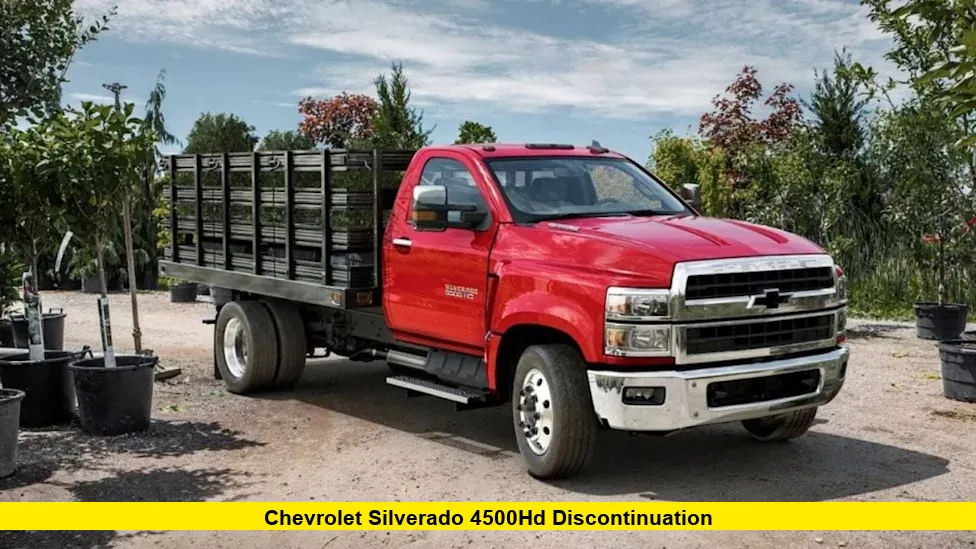
Table of Contents
Chevrolet’s Exit Comes After Years of Industry Pressure
Chevrolet re-entered the medium-duty truck market several years ago with ambitious goals. The company introduced the Silverado 4500HD, 5500HD, and 6500HD as work-focused chassis cab trucks aimed directly at businesses requiring more capability than traditional heavy-duty pickups could offer.
Unlike consumer-oriented Silverado pickups commonly seen on highways and suburban roads, these medium-duty models targeted commercial buyers. They served industries such as construction, towing, landscaping, logistics, utilities, emergency services, and delivery operations.
Despite strong towing capability and durable diesel powertrains, the trucks struggled to gain the same traction as competing commercial models already established in fleet networks nationwide.
Industry analysts have pointed to multiple factors behind the decision to discontinue the lineup. Lower-than-expected sales volumes, increased manufacturing costs, changing commercial fleet priorities, and evolving emissions regulations all contributed to mounting pressure on the program.
The market itself has also changed dramatically in recent years. Commercial buyers are increasingly investing in electric delivery platforms, connected fleet technologies, and specialized upfit solutions designed around urban logistics rather than traditional diesel work trucks.
The Silverado MD Trucks Were Built for Heavy Workloads
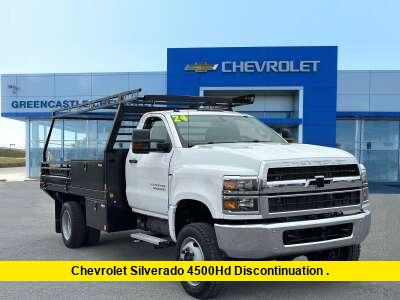
The Silverado medium-duty lineup was designed primarily as a vocational platform rather than a lifestyle vehicle. Buyers could customize the trucks with flatbeds, utility bodies, dump beds, tow equipment, refrigerated cargo systems, and other specialized commercial upfits.
The 4500HD served as the entry point into the range, while the 5500HD and 6500HD provided higher gross vehicle weight ratings for heavier-duty applications.
Each truck relied on a Duramax diesel engine paired with an Allison automatic transmission, a combination that appealed to many commercial fleet operators seeking durability and long-term reliability.
The chassis cab configuration allowed businesses to adapt the trucks to highly specific job requirements. Municipal governments often used them for maintenance fleets, while private contractors relied on them for equipment hauling and construction support.
Although the trucks earned praise for capability and ride quality, they faced tough competition from rivals with deeper roots in the commercial trucking industry.
A Competitive Segment Dominated by Established Rivals
The medium-duty truck category has long been one of the most difficult commercial markets for automakers to penetrate successfully. Fleet customers often remain loyal to manufacturers with extensive dealer networks, specialized service support, and long-standing relationships with commercial operators.
Ford has maintained a powerful position in the segment for years with its F-650 and F-750 trucks. Other manufacturers also continue to dominate vocational and municipal fleet sales through widespread service infrastructure and fleet management programs.
Chevrolet’s medium-duty lineup entered the market with modern styling and recognizable Silverado branding, but commercial purchasing decisions are often driven more by uptime, servicing convenience, and long-term operational costs than exterior design or consumer brand familiarity.
For many fleet buyers, consistency matters more than innovation. Once a business standardizes around a particular truck platform, changing suppliers can become expensive and operationally disruptive.
That reality created major challenges for Chevrolet as it attempted to grow market share against deeply entrenched competitors.
Production Partnership Reaches Its Final Stage
The Silverado MD trucks were produced through a manufacturing partnership involving International Motors. The trucks shared production resources at a facility specializing in commercial vehicle assembly.
With the production agreement now approaching its conclusion, Chevrolet appears ready to step away from the medium-duty category entirely rather than invest in a redesigned next-generation platform.
The move reflects a broader industry trend in which automakers are carefully reassessing which vehicle segments generate sustainable long-term profits.
Commercial vehicle development requires substantial investment in engineering, emissions compliance, fleet servicing infrastructure, and specialized manufacturing processes. Maintaining competitiveness in the segment has become increasingly expensive as regulations tighten and technology expectations evolve.
By ending production of the Silverado medium-duty lineup, GM may be redirecting resources toward areas with stronger growth potential.
Focus Shifting Toward Electric and High-Profit Vehicles
The automotive industry is rapidly transforming around electrification, software integration, and connected fleet technology. Manufacturers are now under pressure to invest billions into electric platforms, battery production, and autonomous driving systems.
GM has already increased attention on electric commercial delivery vehicles and fleet technology services in recent years. Analysts believe the company may see greater long-term opportunity in those areas compared to traditional medium-duty diesel trucks.
At the same time, Chevrolet continues to perform strongly in the light-duty and heavy-duty pickup market. Consumer-focused Silverado 1500, 2500HD, and 3500HD models remain key profit drivers for the brand.
Heavy-duty pickups have become increasingly capable, allowing some businesses to use consumer-oriented trucks for tasks that once required medium-duty commercial platforms.
That shift may have reduced demand for certain medium-duty configurations, particularly among smaller contractors and independent operators.
What the Discontinuation Means for Current Owners
Owners of Silverado 4500HD, 5500HD, and 6500HD trucks are unlikely to lose dealership support immediately. Automakers typically continue providing service parts, warranty support, and maintenance resources long after production ends.
Fleet managers currently operating these vehicles may continue using them for years, especially given the durability of diesel commercial trucks.
However, some businesses could reconsider future fleet expansion plans involving Chevrolet medium-duty models due to uncertainty surrounding long-term platform support and resale value.
Used truck demand may also increase temporarily as companies attempt to secure additional units before inventory becomes harder to find.
Dealerships specializing in commercial fleet sales could experience shifting customer behavior as buyers transition toward competing brands still active in the segment.
Commercial Buyers Face a Smaller Market
Chevrolet’s exit reduces competition in a category already controlled by a relatively small number of manufacturers.
For commercial customers, fewer choices can sometimes result in higher prices, longer wait times, and reduced negotiating leverage when ordering fleet vehicles.
At the same time, competitors may move quickly to attract former Silverado MD buyers through aggressive incentives, expanded fleet support programs, and specialized upfit partnerships.
Industry experts believe some commercial operators will transition seamlessly to rival brands, while others may attempt to extend the lifespan of their current Chevrolet trucks.
The timing of the decision also arrives during broader supply chain uncertainty affecting vehicle manufacturing across North America. Fleet operators have already faced production delays, parts shortages, and rising equipment costs in recent years.
Any reduction in available medium-duty truck inventory could place additional pressure on commercial buyers already dealing with tight supply conditions.
The Legacy of Chevrolet’s Medium-Duty Return
Chevrolet previously exited the medium-duty market years before launching the Silverado MD lineup. The return was viewed at the time as a major effort to rebuild the company’s commercial vehicle presence.
The trucks delivered strong capability and recognizable branding, but success in the medium-duty sector requires more than engineering performance alone.
Commercial trucking depends heavily on fleet relationships, nationwide service support, and long-term operational confidence. Building that level of trust can take decades.
The Silverado medium-duty lineup ultimately struggled to secure a dominant position despite offering competitive powertrains and versatile vocational configurations.
Now, as the industry moves toward electrification and evolving fleet technology, Chevrolet appears ready to concentrate on other priorities.
The broader commercial truck market is also changing rapidly. Businesses are demanding smarter vehicles with advanced telematics, predictive maintenance systems, and lower operating costs. Automakers unable to scale efficiently in those areas face increasingly difficult decisions about where to allocate resources.
Future Questions Remain for GM’s Commercial Strategy
The chevrolet silverado 4500hd discontinuation raises larger questions about GM’s long-term commercial vehicle direction.
While the company remains deeply invested in pickup trucks and commercial services, its departure from medium-duty diesel platforms signals a strategic shift away from traditional vocational trucking.
Industry observers will now watch whether GM introduces future electric medium-duty platforms or continues narrowing its focus toward lighter commercial segments.
For now, the Silverado 4500HD, 5500HD, and 6500HD are preparing to leave the market as another era of commercial trucking comes to a close.

