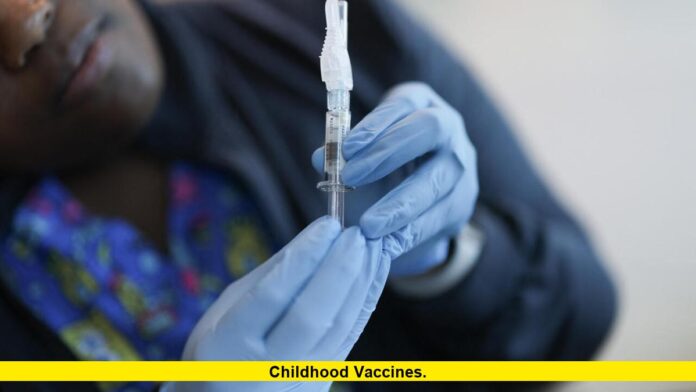
The United States has entered a new chapter in public health after federal health authorities announced a sweeping change to childhood vaccines policy, reshaping how immunizations are recommended for children nationwide. The update represents one of the most significant adjustments to pediatric vaccination guidance in decades and immediately affects how doctors, parents, and public health systems approach childhood immunization.
Under the revised framework, fewer vaccines are now universally recommended for all children, while several others have shifted into risk-based or shared decision-making categories. Federal officials say the changes aim to simplify guidance, improve clarity for families, and align U.S. practices more closely with those of other developed nations.
Table of Contents
A Major Restructuring of the Childhood Immunization Schedule
At the center of the policy update is a restructuring of the national immunization schedule. The number of vaccines routinely recommended for every child has been reduced, while others remain available but are no longer classified as universal recommendations.
Vaccines protecting against the most serious and highly contagious diseases continue to be advised for all children. However, several immunizations that were previously routine are now recommended based on individual risk factors, underlying health conditions, or through informed discussions between families and healthcare providers.
Federal officials emphasized that all recommended vaccines remain accessible, and insurance coverage continues without interruption. The change primarily affects how vaccines are categorized and discussed rather than eliminating access.
What the New Guidance Means for Families
For parents and caregivers, the revised schedule places greater emphasis on individualized care. Pediatricians are encouraged to engage families in conversations about benefits, risks, and personal circumstances when recommending certain vaccines.
This approach shifts some responsibility toward shared decision-making, especially for vaccines no longer universally recommended. Families with children who have chronic health conditions, weakened immune systems, or higher exposure risks may still be advised to follow broader immunization plans.
Health authorities stress that maintaining protection against serious diseases remains a top priority and that families should continue routine pediatric visits to ensure timely vaccinations.
Federal Rationale Behind the Changes
Officials involved in the revision process say the updated schedule reflects a review of immunization practices across peer nations. The analysis focused on vaccination effectiveness, public trust, and long-term disease outcomes.
The United States historically recommended more vaccines than many comparable countries. Federal leaders argue that aligning recommendations more closely with international norms could strengthen confidence, reduce confusion, and improve communication between providers and families.
The administration has framed the update as a balance between maintaining strong disease prevention and respecting parental engagement in healthcare decisions.
Response From the Medical Community
The reaction from many physicians and public health experts has been swift and critical. Medical organizations representing pediatricians and healthcare professionals have raised concerns that reducing universal recommendations could weaken public confidence in vaccines that have long been shown to prevent serious illness and death.
Doctors warn that vaccination rates in the U.S. have already declined in recent years, and any changes perceived as de-emphasizing routine immunization could worsen that trend. Public health experts also worry that inconsistent messaging may lead to uneven vaccine uptake across communities.
Despite these concerns, federal officials maintain that the science supporting vaccines remains unchanged and that the revised framework does not undermine their effectiveness.
Public Health Implications and Disease Prevention
Vaccination has played a central role in reducing childhood deaths and hospitalizations for decades. Diseases once considered common and dangerous became rare due to widespread immunization.
Health experts caution that even small declines in vaccination coverage can lead to outbreaks, particularly for highly contagious illnesses. Maintaining strong community protection depends on consistent vaccine uptake across populations.
The updated guidance has renewed discussions about how best to preserve herd immunity while adapting policies to evolving public attitudes and healthcare practices.
Role of States and Local Health Authorities
While federal agencies issue national guidance, states retain authority over vaccine requirements for school attendance and childcare enrollment. As a result, state policies may continue to differ from federal recommendations.
Some states are expected to review their existing requirements in response to the changes, while others may maintain current standards to ensure consistent protection for children in schools and public settings.
Local health departments play a critical role in communicating vaccine guidance, monitoring disease trends, and supporting access to immunization services at the community level.
Insurance Coverage and Vaccine Access
Federal officials confirmed that insurance coverage for recommended childhood vaccines remains in place. Families can continue to receive immunizations through pediatric practices, clinics, and public health programs.
Vaccines now categorized under shared decision-making remain available, and families who choose broader immunization coverage can still access them without financial penalties.
Public health leaders emphasize that access is not being restricted and that families are encouraged to consult healthcare providers to make informed choices.
Public Trust and Ongoing Debate
Public confidence in vaccines has become a central issue in recent years. Surveys show that while many Americans recognize the benefits of immunization, questions about safety, scheduling, and necessity have increased.
Health professionals stress that clear communication is essential during periods of policy change. Pediatricians, nurses, and public health workers remain key sources of trusted information for families navigating updated recommendations.
The national conversation around childhood immunization is expected to continue as states, providers, and parents adapt to the revised guidance.
What Parents Should Do Next
Parents are encouraged to stay engaged with their child’s healthcare provider and keep vaccination records current. Routine checkups remain an important opportunity to discuss immunization needs and assess individual risks.
Families should also remain aware of state and school requirements, which may differ from federal guidance. Staying informed helps ensure children remain protected while meeting local health standards.
Healthcare professionals emphasize that vaccines continue to be one of the most effective tools for preventing serious childhood illnesses.
Share your thoughts in the comments and stay connected as childhood health policies continue to evolve across the country.

