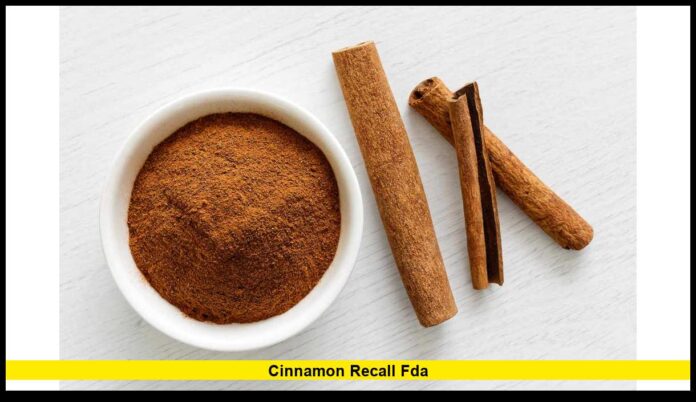
The cinnamon recall FDA alerts have taken a sharper turn in recent weeks as the U.S. Food and Drug Administration continues to expand its investigation into elevated lead levels in ground cinnamon products. As of mid-October 2025, new brands have been added to the agency’s recall list, and one major recall occurred just days ago. Consumers across the United States are being urged to check their spice racks immediately and stay alert to new developments.
Table of Contents
Latest Recall: Durra Ground Cinnamon
On October 6, 2025, Eureka Inc. issued a voluntary recall for Durra Ground Cinnamon 100 g plastic containers due to potential lead contamination. The affected products carry Lot No. 06 B:02 and a “Best by” date of May 2026. These items were distributed to grocery stores in California and Michigan between August 2024 and October 2025.
No illnesses have been reported so far in connection with this product. However, the recall adds to a growing list of ground cinnamon products flagged by the FDA since early 2024.
Expanded FDA Alerts and Previous Recalls
The FDA’s cinnamon recall effort began after the agency traced elevated lead and chromium levels to cinnamon-flavored applesauce pouches consumed by children in late 2023. This discovery prompted a broader investigation into ground cinnamon itself as a potential source of contamination.
On March 6, 2024, the FDA issued a public health alert covering multiple ground cinnamon brands found to contain unsafe lead levels. A few months later, on July 25, 2024, the El Servidor brand was added to the alert list after a sample showed extremely high lead concentrations. Since then, the agency has been steadily expanding its list through ongoing state sampling and confirmatory testing.
By September 2025, 12 more brands had been flagged for voluntary recall consideration, including:
- Jiva Organics
- Super Brand
- Asli
- El Chilar
- Marcum
- SWAD
- Supreme Tradition
- Compania Indillor Orientale
- ALB Flavor
- Shahzada
- Spice Class
- La Frontera
These products were found to have lead concentrations ranging from approximately 2.03 to 7.68 parts per million, levels considered well above acceptable regulatory thresholds.
On September 26, 2025, Wise Wife brand ground cinnamon was officially recalled after FDA testing revealed elevated lead levels. The affected 1.76 oz plastic jars were distributed to retailers in New Jersey, New York, Florida, Maryland, Minnesota, Oklahoma, and Ohio from February 2024 through June 2025.
To date, no confirmed illnesses have been linked to any of these cinnamon recalls.
Why Lead Contamination in Cinnamon Matters
Lead is a cumulative toxin, meaning even low exposures over time can build up in the body and cause harm. This is particularly dangerous for children and pregnant individuals, as lead exposure in early life has been linked to developmental delays, learning disabilities, reduced IQ, and behavioral problems.
In adults, chronic lead exposure can contribute to kidney dysfunction, hypertension, and neurological effects. Because no amount of lead is considered completely safe, the FDA emphasizes that companies must implement preventive controls to keep lead out of spice products.
Lead can enter the spice supply chain through multiple pathways, including contaminated soil, processing equipment, storage environments, and packaging materials. Investigations have shown that contamination can occur both domestically and internationally during production and shipping.
Consumer Testing Raises Additional Concerns
Independent testing of cinnamon and spice blends has reinforced these risks. In one set of consumer tests, out of 36 cinnamon products analyzed, one-third showed lead levels above 1 ppm, exceeding some state regulatory limits for heavy metals in spices.
While not all products are affected, these findings highlight why the cinnamon recall FDA alerts are critical for household safety.
What You Should Do: Steps for Consumers
If you use cinnamon regularly for cooking, baking, or beverages, now is the time to take precautionary steps to ensure your household is protected:
- Check your brands: Review the cinnamon brands in your pantry against the list of recalled or flagged names, including Durra, Wise Wife, and the 12 brands added earlier this year.
- Inspect lot numbers and best-by dates: Even if a product is old, ground cinnamon can remain in a pantry for years. Contaminated spices may still be sitting in your cabinet.
- Dispose of recalled products safely: Place the recalled product in a sealed bag and discard it in household trash. Do not donate or feed it to animals.
- Return for refunds: Many retailers are offering refunds for recalled cinnamon products.
- Consult your doctor if needed: If young children or pregnant individuals have consumed recalled cinnamon products regularly, it may be advisable to discuss lead testing or monitoring with a healthcare provider.
- Diversify and minimize: Rotate spices more frequently, purchase smaller quantities, and consider brands with robust safety records.
- Stay updated: The FDA is continuing to test and may issue additional recall alerts as new data becomes available.
Timeline of Key Events — Cinnamon Recall FDA
- October 2023: Over 460 children in 44 states were reported with elevated lead and chromium levels linked to cinnamon applesauce pouches.
- March 6, 2024: FDA issued the first major public health alert regarding ground cinnamon products.
- July 25, 2024: El Servidor brand added to the recall list following discovery of extremely high lead levels.
- Late 2024–2025: Ongoing state and federal testing leads to expanded recall lists and new brand additions.
- September 26, 2025: Wise Wife brand recalled after FDA testing confirmed contamination.
- October 6, 2025: Durra ground cinnamon recalled due to potential lead contamination.
This timeline shows how the cinnamon recall FDA investigation has expanded steadily over time, reflecting a deeper, nationwide concern.
Outlook and Consumer Confidence
The expanding cinnamon recall FDA alerts have understandably shaken consumer confidence in a common household ingredient. Cinnamon is a staple in American kitchens, often used in baking, breakfast foods, drinks, and holiday recipes. Its long shelf life means contaminated products can linger in pantries far beyond their original purchase date.
The encouraging news is that no illnesses have been confirmed in connection with the ground cinnamon recalls so far. The FDA’s strategy has focused on voluntary recalls, targeted alerts, and enhanced oversight, rather than mass mandatory recalls.
The agency is stepping up import screening, increasing collaboration with state health departments, and tightening oversight of spice manufacturing practices to reduce contamination risks in the future.
It’s also worth noting that some of the most familiar major spice brands have not been implicated to date. However, experts continue to recommend regular pantry checks, especially for consumers who purchase spices from discount stores, international markets, or smaller retailers where oversight may vary.
The Bottom Line
The cinnamon recall FDA alerts are a reminder that even pantry staples require periodic safety checks. While the current recalls remain largely preventive, they are crucial for protecting vulnerable populations from unnecessary lead exposure.
For families—especially those with young children—now is the time to audit your spice shelf, verify your cinnamon brands, and follow recall instructions if you find affected products.
The situation continues to evolve, and more brands may be added to the recall list in the coming weeks. Staying informed is the best way to keep your household safe.

