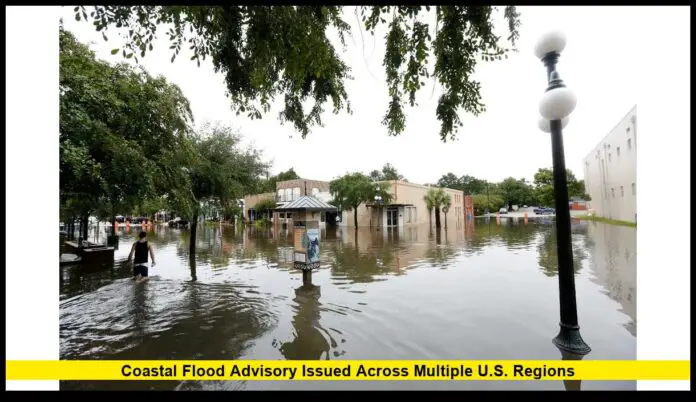
Coastal flood advisory alerts have been activated in several coastal regions across the United States, warning residents of elevated water levels, high tides, and potential street flooding as storm systems combine with seasonal tidal surges. The alerts come as parts of the West and East Coasts face increasing pressure from both atmospheric and oceanic factors, heightening short-term flood risks in vulnerable areas.
Table of Contents
Heightened Risks Along U.S. Coastlines
Communities along the West Coast, particularly in parts of California, are under coastal flood advisory conditions due to a combination of higher-than-usual tides and persistent onshore winds. Low-lying coastal roads, parking lots, and waterfront parks are at risk of minor inundation during high tide cycles, especially during the late evening and early morning hours.
On the East Coast, the advisory extends to sections of the Carolinas and parts of the Mid-Atlantic. King tides—unusually high tides that occur a few times a year—are coinciding with a slow-moving weather system offshore. This combination is pushing water inland, causing water to spill over bulkheads, fill roadside drainage areas, and back up through stormwater systems. Coastal cities such as Charleston, which are especially susceptible to tidal flooding, have already reported water encroaching on low-lying streets and neighborhoods.
Why Coastal Flood Advisories Are Increasing
The rise in the frequency of coastal flood advisories is driven by several overlapping factors:
- King Tides: These naturally occurring high tides, amplified by lunar positioning, raise baseline sea levels for a limited period. When combined with storm systems, they significantly increase flooding potential.
- Persistent Onshore Winds: Even without powerful storms, sustained winds pushing toward the coast can elevate water levels and force water inland through inlets, rivers, and drainage systems.
- Weather System Alignment: Low-pressure systems lingering just offshore can enhance tides, increase wave action, and cause localized storm surge.
- Long-Term Sea Level Trends: Gradual sea level rise is making formerly “minor” tidal events more impactful, meaning that moderate tides or weak storms can now produce noticeable flooding in some regions.
Regional Impact Overview
| Region | Current Situation | Expected Impact |
|---|---|---|
| California Coast | Coastal flood advisories active due to higher tides and onshore flow. | Minor flooding in low-lying roads, waterfront areas, and coastal parks expected during high tides. |
| Carolinas | King tides and offshore weather system pushing water inland. | Streets near the coast and tidal creeks likely to experience saltwater flooding, especially around high tide. |
| Mid-Atlantic | Gradual pressure changes and tidal surges moving inland. | Localized street flooding, especially in areas with older stormwater systems or poor drainage. |
| Gulf Coast | While not under widespread advisories currently, shifting weather patterns could bring changes later in the week. | Residents are urged to monitor forecasts closely for rapid advisory changes. |
Advisory vs. Warning: Understanding the Difference
A coastal flood advisory is issued when minor flooding is expected in coastal or tidal areas. This may include water covering roads, flooding of low-lying properties, and drainage backups.
A coastal flood warning is more serious. It indicates that moderate to major flooding is occurring or imminent, with the potential for damage to property and infrastructure.
Currently, most regions are under advisories, meaning impacts are expected to be nuisance to minor. However, if weather systems strengthen or tides rise more than projected, advisories can quickly be upgraded to warnings.
Safety Tips for Residents
Residents in advisory zones are urged to take simple but effective precautions:
- Avoid Driving Through Flooded Streets: Even shallow water can be deeper than it looks and may hide hazards like potholes.
- Secure Outdoor Items: Move garbage bins, furniture, or lightweight objects to higher ground to prevent them from floating away.
- Monitor Local Tide Charts: Know when high tide occurs in your area to anticipate peak flooding times.
- Stay Informed: Check local weather updates frequently, as conditions can change quickly with shifting winds and storm systems.
- Protect Entry Points: In flood-prone homes, use sandbags or barriers to protect doors and ground-level windows.
Infrastructure Challenges Ahead
The continued issuance of coastal flood advisories highlights growing infrastructure challenges facing coastal communities. Storm drains and aging seawalls are increasingly strained during these tidal events. Cities with older drainage systems often experience water backing up through street drains, turning even moderate tides into roadway hazards.
Local governments have started to implement measures such as temporary flood barriers, tide gates, and pump systems to mitigate the impact. However, these measures are often temporary fixes for a long-term issue that will likely require more comprehensive planning in the coming years.
Looking Ahead
While the current advisories are expected to cover mainly minor flooding, their timing with seasonal high tides is a reminder of how quickly conditions can escalate. Coastal communities should remain alert through the weekend as storm systems shift and water levels fluctuate.
As sea levels continue to rise and weather patterns intensify, the phrase coastal flood advisory is likely to become more familiar to residents living near U.S. shorelines. Preparedness and awareness will be key to minimizing disruptions and keeping communities safe.
Coastal residents — have you experienced flooding during these advisories in your area? Share your observations or tips below to keep others informed.

