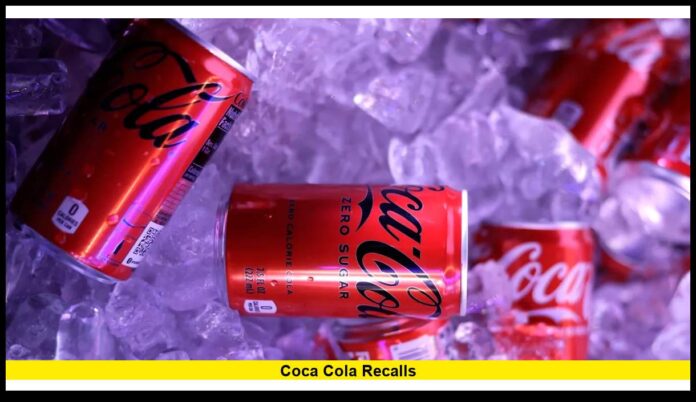
The Coca Cola recalls have raised nationwide concern after the company announced that more than 70,000 cans of Coca-Cola, Coca-Cola Zero Sugar, and Sprite were being pulled from store shelves due to potential metal contamination. The recall was first initiated in early October 2025 and later confirmed by the Food and Drug Administration (FDA) as a Class II recall, indicating that consumption could cause temporary or medically reversible adverse health effects.
Table of Contents
What Happened
Coca-Cola Southwest Beverages, a major bottler in Texas, discovered that some batches of its canned sodas might contain metal fragments or other foreign materials. These products were produced and distributed primarily across Texas, but the bottler also supplies nearby states such as Oklahoma, New Mexico, and Arkansas, prompting wider caution among consumers.
The recall affects several popular products under the Coca-Cola umbrella:
- Coca-Cola Zero Sugar – 12-oz cans, 12-packs and 35-packs with specific lot codes.
- Coca-Cola (Regular) – 12-oz cans, 24-packs and 35-packs with production dates labeled June 2026.
- Sprite – 12-oz cans, 12-packs and 35-packs with lot codes ending in MAA or MAB.
Consumers are urged to check their packaging for matching UPCs or lot numbers and avoid drinking any affected cans.
Why the Coca Cola Recalls Matter
While Coca-Cola has managed minor recalls before, this one stands out due to the nature of the contamination. Metal fragments inside canned beverages can pose physical hazards such as:
- Cuts or lacerations in the mouth, throat, or digestive tract.
- Internal injuries if swallowed.
- Choking risks, especially for children.
The FDA’s Class II recall classification means the issue poses a real but limited threat—unlikely to cause severe or life-threatening health consequences but serious enough to warrant immediate removal from shelves.
How to Identify Recalled Products
To ensure consumer safety, Coca-Cola has published clear identification details. Affected cans share specific lot numbers and production codes. Shoppers should:
- Inspect the bottom or side of the can for production codes ending in MAA or MAB.
- Look for packaging dates between June 2026 and February 2026 (depending on product line).
- Return any identified product to the point of purchase for a refund or exchange.
Company Response
Coca-Cola stated that the contamination likely occurred during the filling or packaging process at the Texas facility. The company emphasized that it was acting “out of an abundance of caution” and that no injuries or illnesses have been reported as of now.
The bottler temporarily suspended production at the affected site to conduct a full inspection and equipment review. Internal teams are working with federal and state regulators to verify that no other facilities are impacted.
In a brief statement, a Coca-Cola spokesperson said the company remains “committed to maintaining the highest product safety standards” and has implemented additional testing protocols to prevent similar incidents in the future.
Impact on Consumers and Retailers
The recall has led to immediate shelf withdrawals across Texas grocery chains, including in major cities like San Antonio, Austin, Dallas, and McAllen. Many retailers have posted notices urging customers to double-check their soda packs.
For consumers, this event serves as an important reminder to stay informed and regularly check product recalls—especially for everyday beverages and packaged foods.
From an industry standpoint, this recall puts Coca-Cola under pressure to:
- Strengthen quality control checks.
- Increase supply-chain transparency.
- Rebuild consumer trust, particularly in regions where the recalled products were sold.
Health Guidance
While the recall is limited in scope, consumers who suspect they may have consumed a contaminated product should take precautionary steps:
- Seek medical attention if they experience abdominal pain, cuts in the mouth, or signs of internal injury.
- Report any incidents to the FDA’s consumer complaint system.
- Keep the affected can or packaging for possible testing or investigation.
Experts note that even though serious health risks remain rare in Class II recalls, ingesting small metallic particles could cause discomfort or minor injuries, which is why the recall was swiftly enacted.
Broader Implications
This recall comes at a time when beverage companies face increasing scrutiny over safety and packaging standards. Modern production lines rely heavily on automation, and any machinery malfunction can lead to contamination issues.
Analysts say Coca-Cola’s swift action may help limit long-term brand damage, but it could also trigger:
- Higher regulatory oversight in bottling plants.
- Temporary production delays in the Southwest region.
- Consumer skepticism, especially toward canned beverages.
If the issue is traced to a supplier or machinery defect, Coca-Cola could also face potential legal or financial consequences from affected partners.
Latest Related Headline
Meanwhile, in a separate high-profile development, former President Donald Trump made headlines after publicly stating that Microsoft should fire its Global Affairs President, Lisa Monaco. The comment followed ongoing tensions between major U.S. corporations and political figures over internal leadership decisions and alleged political bias.
Although unrelated to the Coca Cola recalls, both stories reflect how corporate responsibility and leadership accountability have become recurring themes in recent American news.
Final Thoughts
The Coca Cola recalls underscore a simple truth: even the most trusted global brands can face unexpected safety lapses. While the recall currently affects only Texas, Coca-Cola’s prompt response and transparency have been key to containing the situation.
For now, consumers are advised to stay alert, check their product codes, and follow recall updates from official channels. Safety always comes first — even when it comes to something as familiar as your favorite soft drink.
Stay aware and share your thoughts below — have you spotted any of the recalled Coca-Cola cans in your area?

