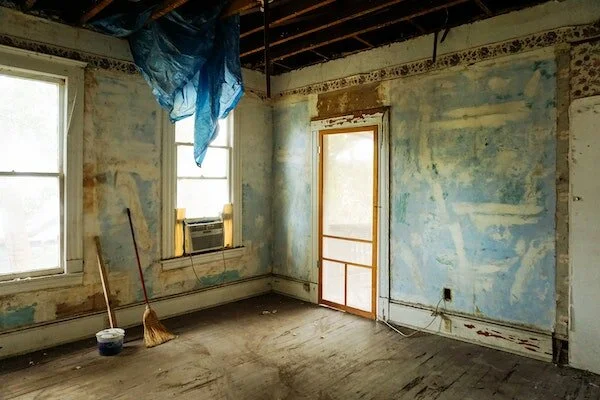
Code enforcement plays a crucial role in maintaining safe and habitable housing standards. When a property falls into severe disrepair, it may be deemed a condemned house, rendering it legally uninhabitable. Understanding the implications of a condemned property and the available remedies is vital for homeowners, landlords, and potential buyers. This blog explores the code enforcement process, criteria for condemnation, legal rights, and emerging trends in housing regulations.
Table of Contents
What is Code Enforcement?
Code enforcement agencies ensure properties meet local building codes, health standards, and zoning laws. These agencies operate at the municipal level, issuing violations, conducting inspections, and enforcing repairs. Common violations include:
- Structural hazards such as foundation damage or roof collapse.
- Health risks, including mold, lead paint, or pest infestations.
- Utility failures, like broken plumbing or unsafe electrical wiring.
Expert Opinion: According to John Davis, a senior housing inspector, “Code enforcement is designed to protect residents and neighborhoods. A condemned house isn’t just an eyesore—it’s a risk to public safety.”
Criteria for Condemning a House
Local authorities may condemn a house based on:
- Structural Integrity – Severe damage from fire, flooding, or neglect.
- Health Hazards – Mold growth, asbestos exposure, or unsanitary conditions.
- Building Code Violations – Illegal construction or failure to meet zoning regulations.
- Lack of Utilities – No access to clean water, heating, or electricity.
Case Study: In 2023, a Chicago home was condemned after neighbors reported sagging floors and a rodent infestation. The owner faced multiple code violations and was required to either restore the property or demolish it.
The Condemnation Process
When a house is condemned, the following steps occur:
- Inspection – A city official assesses the property’s condition.
- Violation Notice – The owner receives a warning with a timeline for compliance.
- Hearing and Appeals – If contested, property owners can present evidence.
- Final Decision – The city either approves repairs, orders demolition, or seizes the property.
Legal Insight: Real estate attorney Lisa Reynolds states, “Homeowners have the right to appeal condemnation decisions, but they must act swiftly and provide concrete evidence of compliance plans.”
Implications of a Condemned Property
Owning or living near a condemned house can have serious consequences:
- Property Devaluation – A condemned home can lower neighborhood property values.
- Legal Liabilities – Owners may face fines, lawsuits, or forced evictions.
- Community Concerns – Vacant properties attract crime and pose environmental risks.
Trend Alert: Many cities are adopting fast-track condemnation laws to address abandoned homes more efficiently. New York, for example, recently introduced legislation reducing the response time for code violations from 60 to 30 days.
Options for Property Owners
If your house is condemned, consider these options:
- Rehabilitation – Hire licensed contractors to meet code requirements.
- Government Grants & Loans – Seek funding for essential repairs.
- Selling a Condemned House – Some buyers specialize in flipping condemned properties.
- Demolition – In extreme cases, property owners may opt for demolition.
Read Also-Understanding Condemned Property Tenant Rights: Protecting Your Interests
Case Study: In Los Angeles, a homeowner successfully appealed a condemnation order by providing a repair plan and securing a city-funded renovation grant.
Preventing Property Condemnation
To avoid condemnation:
- Conduct regular property inspections.
- Stay updated on building codes and local regulations.
- Address minor repairs before they escalate into major violations.
- Seek legal advice if facing a violation notice.
Expert Tip: Inspector Tom Walker advises, “Annual maintenance checks can prevent costly code violations. Small fixes today can save you thousands in fines tomorrow.”
Recent Trends & Legal Updates
- New legislation: Many cities are shortening compliance deadlines for code violations.
- Court rulings: Recent cases reinforce property owners’ rights to due process in condemnation cases.
- Increase in abandoned homes: Rising foreclosures have led to an uptick in condemned properties, prompting stricter municipal actions.
Conclusion
A condemned house isn’t just a legal issue—it affects property values, community safety, and homeowner rights. By staying informed about code enforcement laws, repair options, and legal rights, property owners can prevent condemnation or take necessary action to reclaim their property.
Code Enforcement and Condemned Houses — 5 FAQs
1. What is code enforcement?
Code enforcement is the process local governments use to ensure properties meet safety, health, and building standards. City or county inspectors check homes for issues such as structural damage, unsafe wiring, sanitation problems, or zoning violations. When violations are found, property owners usually receive notices and deadlines to fix them.
2. What does it mean when a house is condemned?
A house is condemned when officials determine it is unsafe to live in. This can happen due to severe structural damage, fire damage, mold, lack of utilities, or major building code violations. Once condemned, the property cannot legally be occupied until repairs are completed and approved by inspectors.
3. Can a condemned house be repaired?
Yes, many condemned houses can be repaired. The owner must correct all listed violations, obtain required permits, and pass inspections. In some cases, repairs may be so extensive that demolition becomes the only practical option.
4. Who is responsible for fixing code violations?
The property owner is responsible for fixing violations. If the owner fails to act, local authorities may issue fines, place liens on the property, or perform repairs and bill the owner. Repeated non-compliance can lead to legal action or forced demolition.
5. Can you buy a condemned house?
Yes, buyers can purchase condemned properties, often at lower prices. However, buyers should understand repair costs, permit requirements, and potential legal restrictions before purchasing. A professional inspection and consultation with local code enforcement offices are strongly recommended.
If you suspect your home is at risk, contact your local housing authority or a real estate attorney to explore your options.

