The city of College Station, Texas continues to make headlines as one of the fastest-growing and most dynamic communities in the state. Located in the heart of the Brazos Valley, this vibrant city—home to Texas A&M University—has seen significant economic expansion, population growth, and infrastructure improvement throughout 2025.
From major transportation upgrades to the booming local tech and education sectors, College Station has firmly established itself as one of Texas’s most attractive destinations for families, students, and businesses.
Table of Contents
A Snapshot of College Station
Situated roughly 100 miles northwest of Houston and 90 miles east of Austin, College Station lies within Brazos County and forms part of the Bryan–College Station metropolitan area, often called Aggieland.
The city’s estimated population has surpassed 129,000 residents in 2025, reflecting consistent growth since the 2020 Census. Much of this expansion is linked to the influence of Texas A&M University, one of the largest and most prestigious public universities in the United States.
College Station combines small-town warmth with the opportunities of a mid-sized city, offering a unique blend of education, technology, and community living that attracts both students and professionals.
The Role of Texas A&M University
It’s impossible to discuss College Station without highlighting Texas A&M University, which remains the city’s economic and cultural centerpiece. With an enrollment exceeding 77,000 students, Texas A&M is among the nation’s largest universities by population and continues to drive innovation in science, engineering, agriculture, and research.
In 2025, the university completed several large-scale initiatives, including:
- The Aggie Park redevelopment project, a major public space enhancement on campus.
- Expansion of the Engineering Education Complex (EEC) to accommodate rising enrollment in the College of Engineering.
- Ongoing investment in renewable energy research, with partnerships that align with Texas’s growing green technology initiatives.
Texas A&M’s influence extends beyond education. The university generates billions annually for the local economy through jobs, real estate development, and events like Aggie football, which fills Kyle Field—the largest stadium in Texas—on game days.
Economic Growth and Business Development
The economy of College Station, Texas, continues to thrive in 2025 thanks to a diversified mix of industries. While education remains its backbone, sectors such as healthcare, research, retail, and information technology are expanding rapidly.
Key Economic Highlights:
| Sector | 2025 Growth Trend | Major Employers |
|---|---|---|
| Education & Research | Steady Increase | Texas A&M University System |
| Healthcare | Expanding | Baylor Scott & White, CHI St. Joseph Health |
| Technology | Rising | FUJIFILM Diosynth Biotechnologies, Tech Ridge |
| Real Estate | Strong Growth | Aggieland Development, College Station Realty Group |
| Retail & Hospitality | Growing | Century Square, Post Oak Mall |
The FUJIFILM Diosynth Biotechnologies facility remains a cornerstone of the city’s biotechnology sector, employing hundreds and attracting further investment from companies in the life sciences industry.
In addition, Tech Ridge at Texas A&M, an innovation hub near the university, has drawn start-ups and established firms focusing on artificial intelligence, robotics, and renewable energy.
Infrastructure and Transportation Updates
The year 2025 has marked a major turning point for infrastructure development in College Station, Texas. With rapid population growth and expanding business activity, the city has made transportation a top priority. The Texas Department of Transportation (TxDOT), in collaboration with local officials, has launched and completed several large-scale projects designed to make commuting smoother, safer, and more sustainable for residents and visitors alike.
FM 2818 Expansion Project
The FM 2818 Expansion Project remains one of the most transformative road improvements in College Station’s recent history. The multi-phase initiative widened key lanes between University Drive and Harvey Road, alleviating congestion during peak hours. Additional safety features—such as improved lighting, turn lanes, and upgraded intersections—were added to make travel safer for motorists, cyclists, and pedestrians.
With traffic volumes rising near the Texas A&M University corridor, this expansion has significantly reduced travel times for students and workers commuting across the city. Landscaping and drainage upgrades were also integrated into the design, ensuring the project supports both efficiency and environmental standards.
University Drive Corridor Redevelopment
The University Drive Corridor Redevelopment project has reshaped one of the city’s busiest commercial and educational gateways. Stretching from Texas Avenue to Wellborn Road, this corridor now features wider sidewalks, new crosswalks, and enhanced street lighting to improve pedestrian safety near Texas A&M’s main entrance.
Beyond safety, the redevelopment brought new life to the area’s business landscape. Retail spaces, restaurants, and outdoor gathering areas have transformed University Drive into a pedestrian-friendly district that connects seamlessly with campus life. The goal was to balance vehicle mobility with accessibility for pedestrians and cyclists—a key step toward making College Station a model for smart urban design in Texas.
Aggie Expressway (SH 249 Extension)
The completion of the Aggie Expressway (SH 249 Extension) in late 2025 represents another major milestone for the region. This highway extension links College Station more directly to the Greater Houston area, cutting commute times by nearly 25%.
For local residents, the expressway means easier access to Houston’s employment hubs and airports. For businesses, it enhances logistics efficiency, allowing faster movement of goods and services. The project also spurred growth along its connecting routes, encouraging commercial investment and residential development in newly accessible areas.
Enhanced rest stops, modern signage, and intelligent traffic systems make the Aggie Expressway not only faster but also safer and more user-friendly.
Public Transit Expansion and Modernization
Public transit in College Station has undergone a major upgrade in 2025. The Brazos Transit District, in coordination with the city’s Transportation Department, expanded several key bus routes to better serve the growing suburban neighborhoods on the city’s south and east sides.
The new electric bus fleet, introduced this year, reflects College Station’s commitment to sustainability and energy efficiency. These zero-emission vehicles reduce the city’s carbon footprint while offering quiet, comfortable rides for passengers. The fleet expansion has also improved frequency, cutting wait times during peak hours and providing better access to the Bryan Downtown District, Post Oak Mall, and the Texas A&M University campus.
Future plans include the introduction of real-time GPS tracking for buses, mobile ticketing systems, and dedicated bus lanes on major corridors to streamline operations and reduce delays.
Bicycle and Pedestrian Infrastructure
In addition to roadways and transit, College Station has made significant progress in building infrastructure for alternative transportation. More than 30 miles of new bike lanes and shared paths were added throughout the city in 2025. These connect residential communities with shopping centers, schools, and university areas, creating a safer and more enjoyable cycling experience.
Projects like the Lick Creek Trail Extension and the Veterans Park Pedestrian Loop have enhanced recreational mobility, giving residents additional options for walking, jogging, and cycling. E-bike charging stations and designated scooter parking areas have also been installed downtown and near the university, encouraging cleaner, greener commuting options.
Sustainability and Smart Mobility Initiatives
Sustainability remains a cornerstone of College Station’s transportation vision. The city has integrated smart-traffic technology into major intersections, using AI-powered sensors to optimize signal timing and reduce idling-related emissions. Electric vehicle (EV) charging infrastructure has been expanded in public parking areas and new commercial developments, aligning with Texas’s growing EV adoption trend.
College Station’s Green Mobility Plan, introduced earlier this year, outlines goals to reduce traffic emissions by 30% before 2030 through clean energy projects, electric public transport, and urban tree planting along major corridors. The initiative is part of a broader effort to ensure that as the city grows, it does so responsibly and sustainably.
Connecting College Station to the Region
Improved regional connectivity has been another priority in 2025. Partnerships between TxDOT, Brazos County, and neighboring cities like Bryan, Navasota, and Hempstead have strengthened transportation networks across the Brazos Valley. The extension of key corridors such as SH 6 and FM 2154 (Wellborn Road) continues to streamline north-south travel, benefiting both commuters and freight operations.
These projects are expected to attract additional commercial development along the routes, fostering job creation and improving access to educational and healthcare institutions in surrounding communities.
A City Built for the Future
Together, these transportation investments are shaping College Station into a city designed for the future—one that prioritizes convenience, connectivity, and sustainability. As the population grows, infrastructure improvements ensure that residents enjoy shorter commutes, safer roads, and a cleaner environment.
From expanded highways to modern public transit and eco-friendly initiatives, College Station Texas continues to demonstrate how thoughtful planning can enhance both mobility and quality of life. With a foundation built on progress and community, the city is well-positioned to remain one of the most livable and accessible urban centers in Texas for years to come.
Real Estate and Housing Trends
The real estate market in College Station, Texas, remains one of the most active in the state. Population growth driven by students, university staff, and remote professionals has fueled demand for both housing and rental properties.
In 2025:
- The median home price stands around $365,000, reflecting a moderate increase from the previous year.
- New residential communities such as Mission Ranch and Greens Prairie Reserve are attracting families seeking suburban amenities.
- The student housing market continues to grow, with new apartment complexes like The Junction at College Station opening near campus.
Developers are also focusing on mixed-use spaces that integrate retail, dining, and living options, with Century Square serving as a model of urban-style development in the heart of Aggieland.
Education Beyond Texas A&M
While Texas A&M dominates the higher education scene, College Station’s K–12 schools are also gaining recognition. The College Station Independent School District (CSISD) maintains strong academic rankings, serving more than 15,000 students.
Recent achievements include:
- Construction of College Station Middle School South Campus, opening in fall 2025.
- Expansion of STEM programs across district schools.
- Partnerships between CSISD and Texas A&M’s education department for teacher training initiatives.
These developments reinforce the city’s reputation as one of the most education-focused communities in Texas.
Tourism and Cultural Highlights
Tourism in College Station, Texas, continues to thrive thanks to its blend of sports, culture, and family-friendly attractions. Visitors come year-round for events, campus tours, and local festivals.
Top Attractions in 2025
- Kyle Field: The home of Texas A&M Aggies football remains a major tourism magnet, drawing over 100,000 fans on game days.
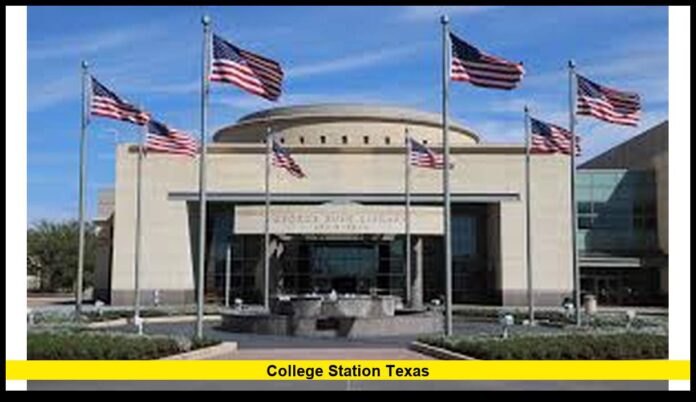
- George H.W. Bush Presidential Library and Museum: Located on the A&M campus, the museum recently unveiled a new exhibit in 2025 highlighting post-Cold War diplomacy.
- Aggieland Safari: A growing wildlife and adventure park featuring drive-through animal experiences and educational programs.
- Santa’s Wonderland: One of Texas’s most beloved holiday attractions, it expanded its light displays and village area for the 2025 season.
- Wolf Pen Creek Amphitheater: Continues to host concerts, cultural festivals, and family events throughout the year.
The city also promotes local tourism through the Visit College Station initiative, which highlights community events, dining, and outdoor recreation.
Dining and Local Lifestyle
College Station’s dining scene reflects its youthful and diverse population. The city is home to over 400 restaurants offering a mix of classic Texas barbecue, international cuisine, and farm-to-table dining.
Notable spots include:
- The Republic Steakhouse – a fine dining favorite known for its Texas-sourced beef.
- Layne’s Chicken Fingers – a College Station original that inspired a cult following.
- Harvest Coffee Bar – popular among students and professionals for its locally roasted blends.
- Dixie Chicken – a historic spot near campus serving comfort food and Texas charm since 1974.
The growth of microbreweries and food markets, such as Blackwater Draw Brewing Company and Century Square Market Days, reflects a growing local interest in artisanal and craft products.
Sports, Recreation, and Outdoor Living
Sports remain central to life in College Station. Beyond Aggie football, residents enjoy access to over 60 public parks, recreation centers, and sports facilities.
Highlights include:
- Veterans Park and Athletic Complex, hosting regional soccer and softball tournaments.
- Lick Creek Park, featuring 500 acres of trails and natural habitats.
- College Station Sports Complex, currently undergoing expansion to add new multi-use fields by 2026.
Cycling, disc golf, and running clubs are also thriving, supported by the city’s investment in green spaces and wellness programs.
City Governance and Future Outlook
The City of College Station operates under a council-manager government, with a focus on transparent governance and sustainable growth. In 2025, city leaders approved a $491 million operating budget, prioritizing public safety, transportation, and water infrastructure.
Key 2025 municipal initiatives include:
- New police and fire department upgrades to accommodate population growth.
- Affordable housing development partnerships with local nonprofits.
- Expanded water management systems to improve drought resilience.
- Smart-city pilot programs for digital public services.
The city’s comprehensive plan through 2030 emphasizes balanced development—encouraging innovation while maintaining the community’s friendly, college-town feel.
Looking Ahead
As 2025 comes to a close, College Station, Texas, stands at the crossroads of progress and tradition. The city continues to grow economically and culturally while preserving its close-knit spirit and commitment to education.
With its blend of youthful energy, advanced research, and Southern hospitality, College Station has evolved from a quiet university town into a model of modern Texas living—one that combines innovation with authenticity.
College Station, Texas, continues to prove that growth and community can thrive together. What’s your favorite part of life in Aggieland? Share your thoughts below.

