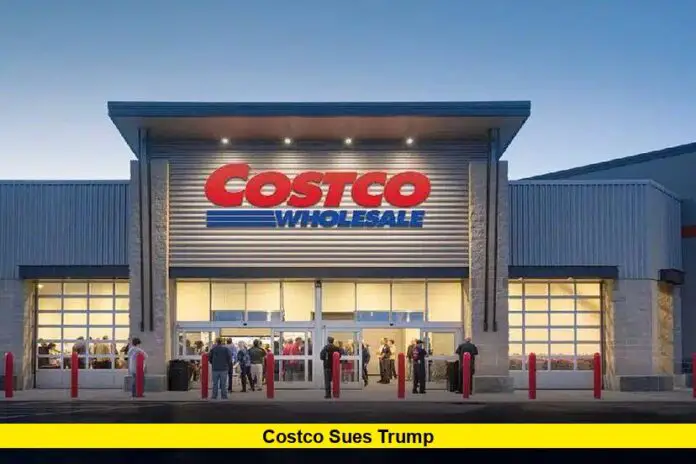
The retail world just got a legal jolt: costco suing trump has prompted a major lawsuit challenging emergency import tariffs and seeking refunds for duties already paid. The move comes as one of the nation’s largest retailers pushes back against tariff policies that may now be overturned, potentially unlocking billions in refunds for importers.
Costco challenges emergency tariffs head-on
Costco Wholesale Corporation has filed a lawsuit against the U.S. government, targeting emergency tariffs that were imposed under broad powers claimed by the administration. The lawsuit argues that those tariffs exceeded the government’s legal authority, especially under emergency-power laws.
The retailer warns that many of its import duty calculations are set to be “liquidated” on December 15, 2025 — a step that would lock in tariff amounts. If that happens, it could effectively block refund eligibility even if courts later strike down the tariffs. This looming deadline pushed Costco to act now in order to preserve its ability to reclaim duties.
Massive financial implications for importers
Costco isn’t alone. Dozens of businesses — from consumer-goods importers to industrial suppliers — have filed similar lawsuits. If courts invalidate the emergency tariffs, the financial ramifications could be enormous. The government may end up owing billions of dollars to importers who paid tariffs while they were in effect.
Supply-chain adjustments reflect deep concern
In response to tariff pressures and uncertainty, Costco has altered its supply chain. The company has consolidated suppliers, increased sourcing from domestic or less-affected markets, and placed greater reliance on its private-label products to avoid tariff exposure. Imported goods represent roughly one-third of Costco’s U.S. sales, which illustrates just how significant the stakes are.
Legal showdown looms
The lawsuit arrives as higher courts weigh the legality of using emergency powers to impose sweeping import tariffs. With those decisions still pending, countless businesses are racing to safeguard their rights and financial positions in case tariffs are struck down retroactively.
What this means for shoppers and the U.S. economy
If the courts side with Costco and similar companies, we could see tariff refunds flowing back to retailers — and potentially lower import costs passed on to consumers. On the flip side, if tariffs stand, many businesses may continue to adjust supply chains, alter sourcing strategies, or raise prices to offset costs.
This lawsuit could reshape how trade and imports are handled in America
The current legal challenge isn’t just about one retailer’s bottom line — it’s about the broader framework for how emergency powers are used to regulate trade. The outcome could influence tariff policies, supply-chain planning, and even product pricing across the country.
Will you be watching how this plays out? Stay tuned and feel free to comment below.

