Credit card interest rates in the United States have become a spotlight issue in early 2026, as new proposals, economic trends, and policy debates swirl around how high Americans pay to borrow on their cards and what changes might be coming next.
In this expanded and up-to-date report, we break down where credit card interest rates stand today, what’s driving them, the major political proposals aiming to address them, the response from financial institutions, and what all of this means for everyday consumers. This article gives you the most current, factual snapshot on credit card interest rates in the U.S. as of January 2026.
Table of Contents
Current Landscape of Credit Card Interest Rates in the U.S.
Credit card interest rates in the U.S. have been significantly higher than many other forms of consumer debt for years. These rates, expressed as annual percentage rates or APRs, are how much borrowers pay on outstanding balances they carry month to month.
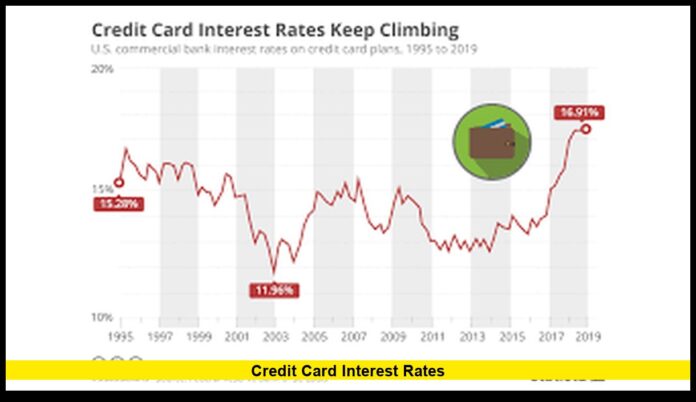
As of late 2025 and early 2026, average credit card interest rates have hovered roughly around 20 percent, and in some instances even higher for borrowers with lower credit scores. This means that consumers who only pay the minimum payment each month can see their balances grow or decline very slowly over years due to compounding interest. Currently, even though broader macroeconomic interest rates have shown some downward pressure from earlier Federal Reserve rate movements, credit card APRs remain markedly elevated compared with other credit products such as auto loans or mortgages.
These high rates reflect the underlying risk credit card issuers take on by offering unsecured debt—meaning there is no asset collateral that the lender can seize if the borrower defaults. Because of this risk, lenders charge higher interest to compensate for potential losses.
Why Credit Card Interest Rates Matter So Much
Credit card interest rates hold major importance for both personal finance and the broader economy. For everyday households, high APRs mean that carrying a balance can become expensive quickly. A balance of several thousand dollars with a 20 percent interest rate can generate hundreds of dollars in interest costs in just a few months if the balance isn’t paid down aggressively.
From a macroeconomic perspective, the total amount of revolving credit outstanding—credit card debt that consumers have not paid off—has climbed into the trillions of dollars in recent years. That means large swaths of the population are sensitive to changes in borrowing costs. When interest rates are high, consumer spending can be constrained as more income goes toward interest rather than other purchases. Consumer spending in turn is a core driver of overall U.S. economic activity.
Experts point to a combination of factors behind today’s elevated rates. Changes in broader interest rate policy by the Federal Reserve influence borrowing costs across the financial system. In turn, credit card issuers price their products based on expected future rates, underwriting risk, and competitive dynamics. Borrowers with strong credit histories and high scores typically qualify for lower APRs, while those with weaker credit profiles often pay significantly higher rates—sometimes well above the average.
Recent Policy Proposals Grab Headlines
In January 2026, a major policy proposal thrust credit card interest rates into the national conversation. The President publicly called for a one-year cap on credit card interest rates at 10 percent, to take effect on January 20. This proposal was framed by its advocates as a way to provide immediate relief to consumers burdened by high borrowing costs.
The idea of capping interest rates is not new—it has been part of public debate for years—but this recent call reinvigorated the discussion. Proponents argue that a temporary cap could save consumers billions in interest costs and reduce financial strain on households dealing with persistent inflation in everyday expenses.
However, key details on how such a cap would be implemented, enforced, or made legally binding were not included in the initial announcement. Critics of the proposal stress that executive action alone cannot impose such broad regulatory limits without formal legislation passed by Congress. The cap would require lawmakers’ approval to become enforceable federal policy.
Bank and Financial Industry Reactions
Major banks, credit unions, and industry trade groups responded strongly to the proposed cap on credit card interest rates. Many institutions warned that such a limit could reduce access to credit for millions of Americans. The reasoning cited by industry leaders is rooted in risk-based pricing: with a strict cap on how much interest can be charged, lenders may drastically tighten credit approvals or reduce credit limits to manage risk and maintain profitability.
In real terms, this could mean that consumers with lower credit scores—who already often pay the highest APRs—might find it significantly harder to obtain or keep credit cards. Some lenders have suggested that a cap as low as 10 percent could make issuing cards to many typical consumers financially unviable.
Trade groups representing banks and credit card issuers publicly stated that while they share the goal of lowering borrowing costs, a rigid interest rate cap could have unintended consequences. They point to the potential for reduced availability of credit, increased fees, and a shift of borrowers toward more expensive or less regulated lending options. These include payday lenders or buy-now-pay-later providers that may charge higher fees or interest outside of traditional banking oversight.
Credit unions, which historically offer lower average interest rates due to their cooperative structure, also expressed concerns. Their leaders indicated that such a cap could reduce their ability to serve members while making credit offerings unsustainable for many institution types. They argue that access to some form of credit—even at higher rates—is better for consumers than restricted or eliminated credit access.
Market Reactions and Broader Economic Signals
Financial markets reacted sharply to the news of the proposed interest rate cap. Shares of major banks and financial firms that issue credit cards fell significantly on the stock market, reflecting investor concerns that a cap could erode bank profitability. Stocks of credit card networks and co-branded partners also experienced downward pressure, illustrating how widely such a policy could ripple across financial sectors.
Beyond banks themselves, companies that rely on credit card partnerships for revenue—such as major airlines that issue co-branded travel credit cards—also saw declines in their stock prices. These partnerships typically generate substantial fees and reward structures that benefit both the issuer and the partner brand.
Analysts examining these market movements noted that the mere discussion of interest rate limitations—even without any formal legislation in place—can alter investor expectations about future profitability in credit markets.
At the same time, there are voices outside the traditional banking industry that see potential benefits in reining in high APRs. Executives from alternative finance companies have publicly supported interest rate limits, pointing out perceived systemic imbalances that they argue disadvantage low-income borrowers.
What This Means for Consumers Right Now
For U.S. consumers, the environment around credit card interest rates is complex and evolving. Currently, unless actual legislation is passed and signed into law, credit card interest rates remain set by individual issuers based on market conditions, borrower profiles, and competitive tactics.
Short-term, consumers should be cautious about carrying high balances when rates remain elevated. Paying more than the minimum payment each month can significantly reduce the amount lost to interest over time. Those looking to reduce interest costs may consider balance transfer offers, consolidating debt at lower rates, or paying down higher-interest balances first.
If a cap or other regulatory action were to be enacted, consumers could see reduced borrowing costs—but they might also experience tighter credit approvals or lower credit limits. Essentially, reduced costs can come with reduced availability.
In the longer term, discussions about credit card interest rates in policy and political arenas could influence financial regulations, lender behavior, and consumer protections. Keeping an eye on legislative developments and credit card contract terms remains important for anyone who uses credit cards, especially those who regularly carry a balance.
Long-Term Considerations and What to Watch
Looking ahead, several factors will continue shaping credit card interest rates:
- Federal policy decisions on broader interest rates and monetary policy will influence the baseline cost of borrowing.
- Legislative action, if any, on interest rate caps or credit reforms could fundamentally alter how credit card APRs are set.
- Market competition among lenders and innovation in financial products could introduce new pricing models that shift the landscape.
- Economic conditions, including inflation and employment trends, will indirectly affect credit demand and risk models used by lenders.
Consumers, financial professionals, and policymakers will all play roles in determining how credit card interest rates evolve over the coming years. Whether current proposals lead to concrete changes or remain part of a larger debate, the ongoing attention to this issue underscores its importance in personal and national finance.
Credit card interest rates remain a topic of intense debate and real-world impact. Share your thoughts in the comments and stay tuned for updates as this story unfolds.

