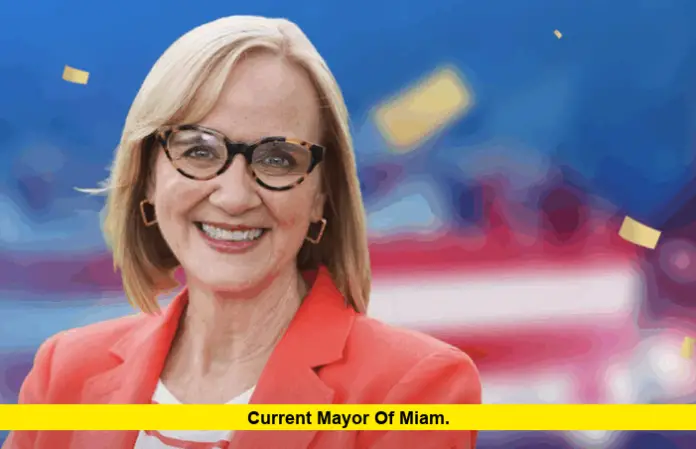
Voters in Miami delivered a decisive message in the December 9, 2025 runoff election: the city is ready for a new direction. With 59.46% of the vote, Eileen Higgins defeated former city manager Emilio González to become the new mayor of Miami, making her the first woman ever elected to the position and the first Democrat to hold the office in nearly three decades. That makes her the current mayor of Miami.
Her victory closes a long chapter of Republican leadership and signals a political turning point in one of the nation’s fastest-growing and most culturally rich cities. Miami is confronting a series of major challenges — including affordability crises, climate threats, infrastructure strain, and rapid population changes — and Higgins now steps into leadership at a moment when residents are demanding solutions and accountability.
Table of Contents
A Historic Election With Far-Reaching Impact
For nearly 30 years, the mayor’s office in Miami remained under Republican leadership. Higgins’ win brings that streak to an end, marking a major shift in the city’s political landscape. Her election also breaks two historic barriers: she is Miami’s first female mayor and the first non-Hispanic leader of the city in more than three decades.
Her victory margin in the runoff was significant. After placing first in a crowded 13-candidate field during the November primary, she carried her momentum into the December runoff, where Miami voters turned out in strong numbers to support her platform focused on affordability, city service improvements, and climate readiness.
Why Voters Backed Higgins
A Platform Centered on Daily Life
Higgins built her campaign around the challenges residents feel every day: soaring rents, the difficulty of securing stable housing, long wait times for permits and city services, the strain on local infrastructure, and growing climate vulnerabilities. Her promise to make the mayor’s job a full-time responsibility resonated with voters who want hands-on leadership and a more responsive city government.
Her professional background strengthens that appeal. Higgins is a former mechanical engineer, Peace Corps country director, county commissioner, and diplomat — a professional history rooted in public service and real-world problem solving.
A City Ready for Change
Miami’s demographics and economic pressures have evolved rapidly. Families are being priced out of neighborhoods they’ve lived in for generations. Immigrant communities continue seeking stability and fair treatment. Rising seas and intensifying storms threaten homes and businesses. Many voters want leadership that reflects these concerns and engages directly with affected communities.
Higgins positioned herself as that leader — someone focused on equity, efficient governance, and forward-thinking policy.
Strong Organizational Support
Although Miami’s municipal races are technically nonpartisan, Higgins benefited from a broad coalition of supporters, including local organizers, labor advocates, and community groups. Her message of transparency and accountable leadership aligned with the priorities of many residents across diverse neighborhoods.
Her runoff opponent, Emilio González, entered the race with notable political endorsements, but Higgins’ focus on local needs and government reform ultimately resonated more with voters seeking change.
What Miami Can Expect Under the New Administration
With Eileen Higgins now assuming office, her early policies and priorities will set the tone for Miami’s next chapter. Here are the areas where residents are likely to see the most immediate action:
1. Housing Affordability
Housing remains Miami’s most urgent and widespread challenge. Higgins has emphasized using city-owned land to build affordable units, reexamining zoning rules, and removing bureaucratic delays that drive up construction and rental costs. Rising housing expenses have created severe pressure for residents, and the new administration has made clear that restoring affordability is a top priority.
2. Faster, More Transparent Government Services
Many Miami residents have expressed frustration with permitting delays, backlogged repairs, and limited access to city staff. Higgins’ commitment to making the mayor’s role full-time signals a more involved form of leadership. She has pledged to simplify city processes, improve accountability, and increase transparency. This could lead to noticeable improvements in business licensing, infrastructure maintenance, and responsiveness to public concerns.
3. Climate Resilience and Infrastructure Upgrades
As one of the most climate-vulnerable cities in the United States, Miami faces rising seas, flooding, and intensifying storm activity. Higgins has prioritized strengthening climate resilience, improving storm-water systems, reinforcing coastlines, and investing in infrastructure that can protect neighborhoods long-term. With billions of dollars in property and economic activity at risk, these efforts will be central to her administration.
4. Support for Immigrant Communities
Miami is shaped by its immigrant population, and Higgins has made outreach and inclusion central to her message. She has expressed her commitment to supporting immigrant families, promoting fair treatment, and ensuring all residents feel safe accessing city services. Her leadership style leans toward community listening and engagement, which may build trust among groups that often feel overlooked.
5. A New Era in Miami Politics
Higgins’ win signals a broader transformation in Miami’s political identity. Long considered a stronghold of conservative leadership, the city has now demonstrated that demographic evolution and emerging local priorities are reshaping voter behavior. This shift may influence other Florida cities as well, creating ripple effects that extend into future statewide elections.
What This Means for Miami’s Future
Higgins steps into office at a time when the city stands at a crossroads. The choices made over the next several years will determine whether Miami can remain livable, sustainable, and economically vibrant for its diverse population.
Her administration is expected to focus heavily on restoring confidence in city leadership, addressing the housing crisis, reinforcing climate protections, and ensuring that Miami remains a city where families, workers, small-business owners, and newcomers can thrive.
For residents, this moment represents a new chapter — one shaped not just by political change, but by a shared desire to build a more resilient and inclusive Miami.
As the current mayor of Miami, Higgins now carries the responsibility of guiding one of America’s most influential cities through a period of challenge, opportunity, and transformation. Her success will depend on how effectively she turns her campaign commitments into meaningful policy and visible improvement.
What changes do you hope to see first under the new administration? Share your thoughts and join the conversation.

