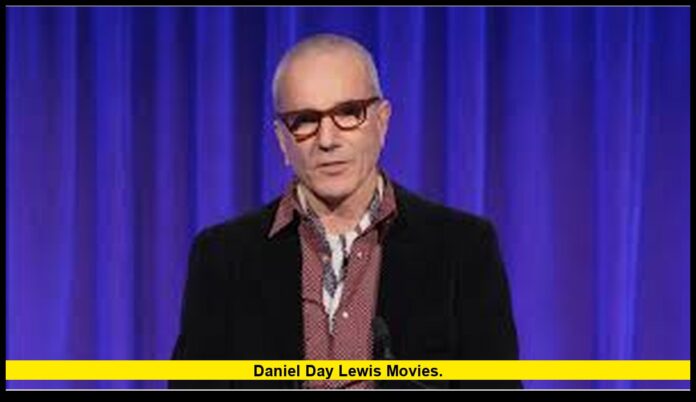
Daniel Day Lewis movies have shaped modern acting standards for decades. After a widely discussed retirement in 2017, the three-time Academy Award winner returned to the screen in 2025 — a comeback that immediately reignited interest in his career and the legacy he built over four decades.
Table of Contents
A short timeline: retirement, return and a family-directed comeback
Daniel Day-Lewis stepped away from acting after 2017’s Phantom Thread, saying the film marked the end of his on-screen work. Years later, he quietly collaborated with his son, Ronan Day-Lewis, leading to his return in Anemone, a drama that premiered at the New York Film Festival before opening in U.S. theaters in October 2025. The film brought him back to a leading role for the first time in eight years.
Why Anemone matters
The film stands out for several reasons. It marks Ronan Day-Lewis’s feature directorial debut, it brings the actor back to an emotionally demanding lead role, and it showcases a father-son collaboration that shaped both the script and the tone of the project. Day-Lewis plays a reclusive, troubled man whose fractured family ties drive the story. Audiences and critics immediately focused on the intensity of his performance, which many described as the film’s strongest element.
How critics and audiences reacted
The 2025 release drew mixed but thoughtful reviews. Many praised Day-Lewis for delivering a disciplined, commanding performance that anchored the film. Others felt Anemone carried a weighty tone that limited its broader box-office appeal, but even those critiques often highlighted the significance of the actor’s return. For film fans and industry observers, seeing Day-Lewis back on screen after years of silence was a moment that dominated conversations well beyond the festival circuit.
A look back at the career highlights
His return has also renewed interest in the roles that built his towering reputation. Standout performances include:
- My Left Foot (1989)
- There Will Be Blood (2007)
- Lincoln (2012)
These films earned him three Academy Awards for Best Actor, a rare achievement unmatched by any other male performer. Beyond those wins, his filmography also includes widely admired roles in The Last of the Mohicans, Gangs of New York, In the Name of the Father, The Age of Innocence, The Boxer, and Phantom Thread. These films underline how selectively he worked and how deeply he immersed himself in each character.
Why his retirements and returns became part of his story
Daniel Day-Lewis has stepped back from public life multiple times, describing the need for distance from the intensity of his craft. After Phantom Thread, he said he intended to retire fully. In later comments, he acknowledged that his statements at the time felt larger than life and that creativity eventually drew him back. Working with his son on Anemone provided the spark for a return that even close followers of his career considered unlikely.
What the comeback means for the industry
A performer of Day-Lewis’s stature returning after a long absence naturally shapes awards-season conversations and influences how studios think about performance-driven dramas. His comeback places renewed attention on character-focused storytelling and highlights how much interest a single role can generate when attached to an artist known for precision and intensity. As of today, no additional projects have been announced, leaving Anemone as a unique chapter in his late-career trajectory.
How to explore his filmography today
Viewers revisiting his work or discovering it for the first time can approach his catalog through several lenses. Start with the films that earned major awards. Follow that with projects that display his range — historical epics, intimate dramas, and morally complex characters. Finally, place Anemone as the modern bookend that reflects the evolution of his personal and professional life. In this context, daniel day lewis movies offer a complete picture of a performer who built a career defined by selectivity, depth, and relentless commitment.
A practical note for editors and fans
Those following his work should note that Anemone premiered at the New York Film Festival and opened nationally in October 2025. The film is positioned as a character-driven drama rather than a commercial spectacle, which made the actor’s performance the focal point of early responses. No further film commitments have been confirmed, making this return especially noteworthy.
Closing thought
Whether audiences approach his work through his early breakthroughs or his celebrated late-career roles, Day-Lewis remains one of the defining performers of his era — and his latest reappearance only deepens the impact of the films he leaves behind.

