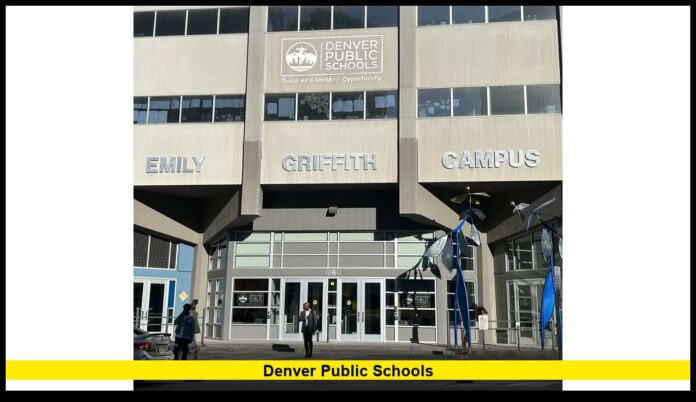
Denver Public Schools (DPS), the largest school district in Colorado, continues to navigate a critical period of change as it addresses student achievement, school safety, and staffing challenges in the 2025–2026 academic year. With over 89,000 students and 200 schools, DPS remains focused on improving academic outcomes, strengthening community trust, and enhancing support for both educators and families.
Table of Contents
Leadership and Strategic Direction
Superintendent Alex Marrero, who has led Denver Public Schools since 2021, is steering the district through a year centered on stability and growth. Marrero and the Board of Education are focused on addressing declining enrollment, improving school safety measures, and closing learning gaps that widened after the COVID-19 pandemic.
Recent board meetings have emphasized the need to better align resources with student needs. The district has launched new initiatives targeting early literacy, bilingual education, and mental health support. These efforts reflect DPS’s renewed commitment to equity and community collaboration.
Marrero stated that DPS will continue prioritizing transparency and family engagement, particularly around budget decisions and school consolidations.
Enrollment and Demographic Shifts
Denver Public Schools faces ongoing enrollment declines, a trend mirrored in many large urban districts nationwide. Official data from fall 2025 shows enrollment dipping below 90,000 students for the first time in over a decade.
The primary reasons include:
- Lower birth rates in Denver County
- Rising housing costs driving families to suburban districts
- Increased competition from charter and private schools
To adapt, DPS has been consolidating under-enrolled schools and re-evaluating facility use. The district aims to minimize disruption by providing transition plans for families affected by closures.
While closures are difficult, district officials emphasize that consolidations help maintain quality instruction, allow for smaller class sizes, and direct more funding into classroom programs rather than building maintenance.
Academic Performance and Student Support
Despite recent challenges, DPS reports modest gains in literacy and math scores for elementary students during the 2024–2025 school year. New curriculum updates and tutoring partnerships appear to be helping students recover academically.
To further improve results, the district has expanded:
- After-school tutoring programs in reading and mathematics
- Bilingual literacy initiatives supporting English learners
- Mental health services, including school-based therapists and wellness coordinators
High school graduation rates remain strong, hovering near 76%, with notable growth among Hispanic and multilingual learners. DPS’s focus on career and technical education (CTE) has also gained traction, with more than 10,000 students enrolled in hands-on learning pathways that prepare them for jobs in technology, healthcare, and skilled trades.
School Safety and Security Updates
School safety remains a top priority for Denver Public Schools. The district has continued to strengthen its Safe Schools initiative following several incidents that prompted a reevaluation of on-campus security.
As of the 2025–2026 school year:
- All DPS high schools now have trained school resource officers (SROs) on site.
- Enhanced security screening systems have been installed at major campuses.
- Staff receive annual crisis response training to handle emergencies efficiently.
DPS is also investing in prevention programs that promote conflict resolution and peer mediation. These efforts aim to foster safer, more supportive school environments for both students and staff.
Teacher Recruitment and Retention
Teacher shortages continue to challenge Denver Public Schools, particularly in math, science, and special education. To attract and retain educators, DPS approved a new three-year contract with the Denver Classroom Teachers Association earlier this fall.
Key contract highlights include:
- An 8% salary increase for teachers in the 2025–2026 academic year
- Bonuses for hard-to-staff schools and subject areas
- Expanded mentoring programs for new educators
The district also launched a “Grow Your Own” initiative that supports paraprofessionals and community members pursuing teaching licenses through scholarships and paid internships.
These steps aim to stabilize staffing levels and improve classroom continuity for students across the city.
Focus on Equity and Inclusion
Equity remains a cornerstone of the district’s mission. Denver Public Schools continues to expand programs that serve multilingual learners, students with disabilities, and historically marginalized communities.
Key equity initiatives include:
- Dual Language Education Expansion: DPS plans to increase the number of bilingual schools from 45 to 60 by 2027.
- Culturally Responsive Teaching Training: Every educator now completes annual professional development on inclusive classroom practices.
- Special Education Reform: New funding has been allocated to hire more school psychologists, speech therapists, and aides to ensure compliance with Individualized Education Programs (IEPs).
The district’s Office of Equity and Engagement is also partnering with local nonprofits to improve access to enrichment programs and family resources.
Financial Outlook
Denver Public Schools operates with an annual budget exceeding $1.5 billion. The district faces continued financial pressure due to declining enrollment and inflation-driven cost increases.
To maintain fiscal stability, DPS is focusing on cost-saving measures such as:
- Reducing administrative overhead
- Repurposing underused buildings
- Expanding partnerships with city agencies and community organizations
At the same time, the district is prioritizing investment in early education, mental health, and technology infrastructure to modernize learning environments.
Budget planning for 2026–2027 will focus on aligning spending with long-term sustainability and student achievement goals.
Community Engagement and Family Voices
Community input continues to play a vital role in shaping Denver Public Schools’ decisions. The district has expanded its Family and Community Engagement (FACE) program, which hosts regular meetings in neighborhoods across the city.
Parents, students, and educators have participated in forums discussing safety, curriculum changes, and resource allocation. Feedback collected through these sessions directly informs district planning and board discussions.
DPS has also launched a digital dashboard where families can track academic performance, safety updates, and financial reports — part of its commitment to transparency and accountability.
Looking Ahead for Denver Public Schools
As Denver Public Schools moves through the 2025–2026 academic year, its main goals remain clear:
- Strengthen academic recovery
- Support teacher retention and training
- Maintain safe, equitable learning environments
- Engage families and communities in meaningful ways
The coming months will be pivotal as the district finalizes next year’s budget and continues to implement its long-term strategic plan.
Denver’s education community — from parents to teachers to policymakers — will be watching closely as DPS works to balance fiscal responsibility with its promise of providing every student with access to a high-quality education.
Denver Public Schools is at a defining moment. Its progress in safety, equity, and academic performance will shape the future of Colorado’s next generation of learners.

