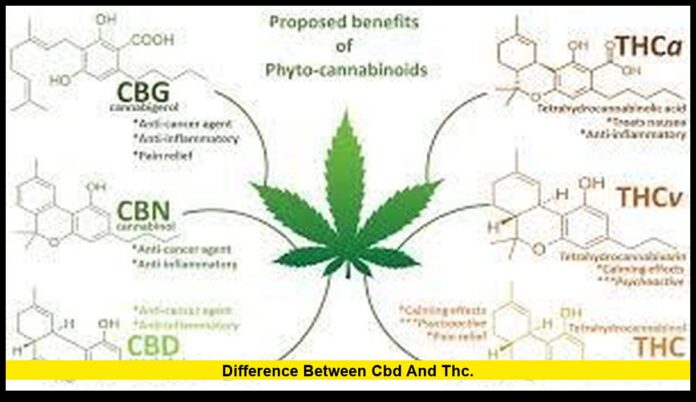
The growing interest in cannabis-derived products has pushed many Americans to ask about the difference between CBD and THC within the first few words of any conversation about cannabinoids. As more states update cannabis laws and more wellness brands expand their product lines, understanding how these two compounds differ has become essential for everyday consumers, especially across the United States where regulations and availability vary widely.
CBD and THC both come from the cannabis plant, but their effects, uses, and legal classifications are not the same. Recent shifts in state laws, product labeling requirements, and consumer-safety discussions have brought renewed attention to how these compounds should be understood and used responsibly.
Table of Contents
What CBD and THC Actually Are
CBD (cannabidiol) and THC (tetrahydrocannabinol) are naturally occurring cannabinoids found in cannabis. Although they come from the same plant family, their effects on the body and mind are dramatically different.
- THC causes the psychoactive “high” people associate with marijuana.
- CBD does not create a high and is widely used for wellness-oriented purposes.
Despite being often grouped together, these two compounds act differently on the body’s endocannabinoid system. That system regulates mood, sleep, appetite, inflammation, and immune response. THC stimulates CB1 receptors in the brain, creating intoxication, while CBD interacts more gently with both CB1 and CB2 receptors, moderating inflammation, stress response, and overall balance without the euphoric effect.
Key Differences at a Glance
| Feature | CBD | THC |
|---|---|---|
| Psychoactive? | No | Yes |
| Typical Uses | Calming, anti-inflammatory, relaxation, soothing discomfort, sleep support | Euphoria, pain relief, appetite stimulation |
| U.S. Federal Legal Status | Legal when derived from hemp with ≤0.3% THC | Federally illegal, but legal in many states |
| Drug Testing Impact | Possible if product contains trace THC | Almost always detectable |
| Safety for Daily Use | Generally well-tolerated | Must be used responsibly due to intoxication |
These differences influence everything from legality to personal choice.
Why CBD Has Become So Popular in the U.S.
CBD surged in popularity after the 2018 Farm Bill legalized hemp-derived products with less than 0.3% THC at the federal level. Since then, CBD oils, gummies, lotions, and capsules have appeared everywhere—from wellness stores to mainstream pharmacies.
Many U.S. consumers use CBD for:
- Restlessness or trouble sleeping
- Mild anxiety or tension
- Post-exercise soreness
- Everyday aches
- Relaxation
- Supporting a more balanced mood
CBD has no intoxicating effect, making it easier for people to use throughout their day without impacting alertness or functioning.
Why THC Is More Regulated
The difference between CBD and THC is also shaped by law. THC remains a Schedule I controlled substance at the federal level, meaning federal law still considers it illegal. However, many U.S. states have legalized THC for medical or recreational use, creating a regulatory patchwork nationwide.
Where THC is legal, states typically regulate:
- Purchase age (usually 21+)
- Purchase limits
- Potency
- Licensed dispensaries
- Packaging requirements
- Testing for purity and contaminants
THC’s psychoactive effects also mean consumers must use it cautiously, especially if driving or working.
How These Compounds Affect the Body Differently
The difference between CBD and THC becomes clearer when looking at how they work in the brain and body.
CBD
- Does not bind strongly to cannabinoid receptors
- Helps regulate mood, inflammation, and sleep
- Does not cause euphoria
- May counteract some effects of THC
- Generally considered calming or balancing
THC
- Binds strongly to CB1 receptors in the brain
- Causes euphoria, altered perception, and increased appetite
- Can cause anxiety or paranoia in some people
- Impacts coordination, reaction time, and judgment
- Useful for certain medical conditions like chronic pain or nausea
Because THC affects perception and cognition, states treat it more cautiously.
Legal Differences Consumers Must Know
One of the biggest distinctions is legal status. Understanding this helps U.S. buyers stay compliant with state and federal rules.
CBD Legality:
- Federally legal if hemp-derived and under 0.3% THC
- Available widely online and in stores
- Still not approved by the FDA as a dietary supplement
- Quality varies, so lab testing is important
THC Legality:
- Federally illegal
- Legal for recreational use in many states (such as CA, CO, IL, MI, and more)
- Legal only for medical use in several other states
- Illegal in a small number of states
Since laws continue to evolve, staying updated on your state’s guidelines is important for responsible use.
Why Proper Labeling Matters
One concern in the U.S. market is mislabeled products that claim “CBD only” but contain detectable THC. This matters because:
- THC may cause a failed drug test
- Consumers may unintentionally ingest psychoactive compounds
- Dosing becomes unreliable
- Safety is compromised
Reputable companies provide third-party lab reports (COAs) listing cannabinoid levels. Always look for:
- CBD content
- THC percentage
- Presence of contaminants (pesticides, metals, solvents)
This helps ensure you get exactly what you’re purchasing.
How Consumers Choose Between CBD and THC
People deciding between CBD and THC often consider:
- Whether they want a psychoactive effect
- Their state’s laws
- Their health needs
- Whether they need to pass workplace drug testing
- The type of experience they’re seeking
CBD is preferred by those who want relief without intoxication.
THC is chosen by individuals seeking deeper relaxation, recreational enjoyment, or specific medical relief.
Both provide benefits, but the difference between CBD and THC ensures their uses remain distinct.
Growing Trends in the U.S. Cannabis Market
As interest increases across the U.S., CBD and THC trends include:
- More hemp-derived alternatives (like delta-8 and delta-10 THC) being regulated more tightly
- States cracking down on untested or mislabeled cannabinoid products
- Growth of CBD products in beauty, skincare, and wellness markets
- More research into cannabinoids and how they interact with the human body
These shifts make it even more important for consumers to fully understand these two key compounds.
Final Thoughts
The difference between CBD and THC shapes everything from effect to legality. CBD offers relaxation and wellness benefits without intoxication, while THC provides psychoactive effects and stronger therapeutic potential—with more restrictions. As the U.S. cannabis landscape continues to evolve, knowing these differences helps consumers make informed, safe and confident choices.
Feel free to share your thoughts or ask a question below—your experiences help others stay informed.

