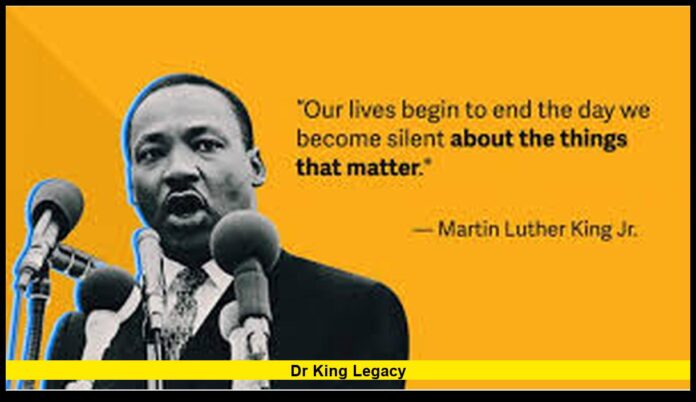
As the United States observes Martin Luther King Jr. Day in 2026, the nation once again turns its attention to the enduring influence of the Dr. King legacy and the way his ideals continue to guide public life, social movements, and everyday acts of service. More than a remembrance of history, the holiday stands as a living reflection of how his message of equality, justice, and nonviolence still shapes the moral direction of the country.
Across all 50 states, the day is marked not only by ceremonies and speeches, but by action. Communities use the occasion to recommit themselves to the principles Dr. King championed: fairness under the law, respect for human dignity, and the belief that peaceful engagement can bring lasting change. In schools, houses of worship, city halls, and neighborhood centers, Americans gather to honor a leader whose words and work continue to resonate across generations.
From Civil Rights Leader to National Symbol
Dr. Martin Luther King Jr. emerged in the 1950s and 1960s as a central figure in the struggle to end racial segregation and discrimination. His leadership during landmark campaigns, including boycotts, marches, and voter registration drives, helped transform the legal and social landscape of the United States. Through nonviolent protest and moral persuasion, he challenged the nation to live up to its founding ideals.
Over time, his influence has grown beyond the specific battles of the civil rights era. Today, Dr. King is widely recognized as a symbol of democratic values, social responsibility, and ethical leadership. His speeches, especially his call for a society built on justice and mutual respect, remain among the most quoted and studied in American history.
A Federal Holiday with a Purpose
Martin Luther King Jr. Day is unique among federal holidays because it is officially designated as a National Day of Service. This emphasis reflects the belief that honoring Dr. King means more than remembering his achievements; it means continuing his work.
In 2026, volunteerism once again stands at the center of the observance. Across urban centers and rural towns alike, individuals and organizations organize food distribution drives, literacy programs, environmental cleanups, senior assistance efforts, and housing repair projects. These initiatives reflect Dr. King’s conviction that social progress requires both compassion and participation.
For many Americans, the day offers a chance to step beyond reflection and take part in tangible efforts to strengthen their communities. The act of serving others has become one of the most powerful ways to keep Dr. King’s vision alive.
Nationwide Commemorations and Public Gatherings
Major cities host parades, unity walks, and memorial services that draw thousands of participants. These gatherings bring together people of different backgrounds, generations, and beliefs, united by a shared respect for Dr. King’s role in shaping modern America.
Marching bands, cultural groups, veterans’ organizations, and youth clubs participate in events that celebrate both the history of the civil rights movement and the ongoing pursuit of equality. Public officials often join community leaders and activists in speaking about the relevance of Dr. King’s teachings to contemporary challenges, including economic inequality, access to education, and civic participation.
Smaller towns and suburbs also hold their own commemorations, from candlelight vigils to community breakfasts and panel discussions. These local observances demonstrate that Dr. King’s message is not confined to any single region or demographic, but belongs to the nation as a whole.
Education and the Role of Young Americans
Schools and universities play a central role in shaping how each generation understands Dr. King’s life and ideas. In classrooms across the country, students study the history of segregation, the struggle for voting rights, and the philosophy of nonviolent resistance.
In 2026, many educational institutions organize special assemblies, lectures, and student-led discussions focused on leadership, civic responsibility, and social justice. Essay contests, art projects, and community research initiatives encourage young people to explore how Dr. King’s principles apply to the world they are inheriting.
By engaging students in both historical study and present-day problem-solving, educators aim to ensure that the lessons of the civil rights movement remain relevant and meaningful.
Cultural Expression and the Arts
The arts have long played a vital role in preserving and interpreting Dr. King’s message. Music, theater, visual art, and poetry continue to serve as powerful tools for storytelling and reflection.
Concerts featuring gospel, jazz, and classical compositions honor the cultural traditions that supported the civil rights movement. Stage performances and spoken-word programs bring Dr. King’s speeches and writings to life, helping audiences connect emotionally with his call for justice and peace.
Museums and cultural centers host exhibitions that explore both the historical context of his leadership and the broader struggle for civil rights. Through photographs, personal artifacts, and multimedia displays, visitors gain a deeper understanding of the sacrifices and courage that defined the movement.
Faith Communities and Moral Leadership
As a minister, Dr. King grounded much of his activism in faith-based principles of love, forgiveness, and moral courage. Today, religious institutions continue to be key participants in Martin Luther King Jr. Day observances.
Interfaith services bring together people from diverse religious traditions to reflect on shared values of compassion, equality, and service. Sermons and discussions often focus on the ethical dimensions of social justice and the responsibility of individuals to stand against injustice in all its forms.
These gatherings highlight how Dr. King’s spiritual foundation continues to influence conversations about morality, community, and social responsibility.
Sports, Media, and Public Awareness
Sports organizations and media outlets also play an important role in amplifying the significance of the holiday. Special programming, tributes, and community outreach efforts ensure that Dr. King’s story reaches a wide audience.
Athletes and teams often use their platforms to promote messages of unity and respect, reflecting the broader cultural impact of Dr. King’s work. Televised features and documentaries revisit key moments of the civil rights movement, helping viewers understand both the historical struggle and its lasting implications.
The Continuing Impact on Public Discourse
Decades after his death, Dr. King’s ideas remain central to national conversations about equality and democracy. Issues such as voting access, fair housing, economic opportunity, and criminal justice reform are often discussed in the context of the principles he articulated.
The Dr. King legacy serves as a moral reference point in debates about how the nation can move closer to the ideals of liberty and justice for all. His insistence on peaceful change and respectful dialogue continues to influence how communities and leaders approach conflict and reform.
Historic Sites and Living Memory
Landmarks associated with Dr. King’s life and the broader civil rights movement attract visitors throughout the year, with increased interest around the holiday. These sites offer educational programs, guided tours, and interactive exhibits that connect history with present-day civic engagement.
By preserving these locations and stories, communities ensure that the experiences of those who fought for civil rights are not forgotten and that future generations can learn from their perseverance.
A Vision That Endures
The observance of Martin Luther King Jr. Day in 2026 demonstrates that his vision remains a guiding force in American life. Through service, education, cultural celebration, and public dialogue, the nation continues to draw inspiration from his call to build a more just and compassionate society.
Dr. King’s belief in the power of ordinary people to create extraordinary change remains one of his most enduring lessons. His life reminds Americans that progress is possible when courage, empathy, and commitment come together in pursuit of a common good.
Take a moment to reflect on his message and share how his vision continues to inspire your community today.

