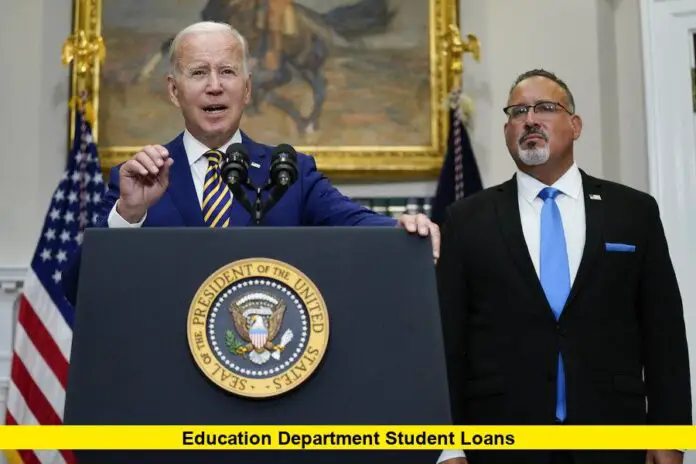
The management of education department student loans is facing a possible pivot, as lawmakers and agencies weigh whether the federal portfolio could be transferred—partially or in full—to private investors. In recent days, more than 40 Democratic members of Congress raised alarm over reports that the portfolio—currently valued around $1.6 trillion to $1.7 trillion—is under consideration for sale, prompting demands that the U.S. Department of Education (ED) halt such talks and protect student-borrower rights.
Table of Contents
What’s happening now?
- Reports indicate the ED and the U.S. Department of the Treasury have either engaged finance firms or are evaluating how to sell off segments of the federal student-loan portfolio.
- Senator Elizabeth Warren (D-Mass.), joined by other Senate and House Democrats, sent a letter to ED Secretary Linda McMahon and Treasury Secretary Scott Bessent calling for an immediate end to any privatization talks, warning of major risks to borrowers and to taxpayers.
- The letter argues that if loans are sold at less than their value to the government, taxpayers would incur a loss; it also contends that key protections (income-driven repayment, federal loan forgiveness programs, disability/discharge options) may not survive under private ownership.
- While no formal sale contract has been announced, the mere exploration of such a move is drawing scrutiny because it touches tens of millions of borrowers and implicates federal law requiring any loan sale to be at no cost to the government.
Why it matters
For borrowers and for taxpayers alike, shifts in how education department student loans are managed could carry wide-ranging consequences:
- Borrower protections at stake: Federal loans provide rights and repayment options not always found in the private market. If loans leave federal hands, those rights could erode or disappear entirely.
- Taxpayer exposure: The government holds a massive student-loan asset. Selling it below market value would mean the public absorbs the shortfall. The law states sales must not result in a loss to taxpayers.
- Servicing and oversight: Federal servicing is subject to regulatory oversight, transparency rules and protections for borrowers. Private entities may face fewer constraints, potentially leading to less favorable outcomes for borrowers.
- Policy flexibility: Federal loan status enables broad policy tools (forgiveness programs, income-based repayments, discharge for fraud) that may not translate to privately held loans. Moving loans out of federal hands could limit future relief efforts.
Timeline and players
| Date | Milestone |
|---|---|
| October 2025 | Initial media reports surface that ED and Treasury are evaluating selling part of the student-loan portfolio. |
| Mid-November 2025 | More than 40 Democratic lawmakers sign a letter urging cessation of any sale by ED/Treasury. |
| Now | ED confirms it is ‘evaluating ways to improve the fiscal health’ of the student-loan portfolio but has not announced a sale. |
Key figures include Secretary Linda McMahon, Secretary Scott Bessent, Senator Warren, Representative Ayanna Pressley (D-Mass.), and a bipartisan group of lawmakers concerned about the implications for borrowers and taxpayers.
What legal and policy questions are in play?
- Under existing statutes, the federal government may sell student-loan assets only if it does so without cost to taxpayers.
- It remains unclear how (or if) borrower protections would transfer to a new private owner. The letter warns that such protections are legally guaranteed under federal contracts and may represent property rights under the Fifth Amendment.
- Because no official sale announcement has emerged, many details remain vague: which loans would be sold, what risks would transfer, how servicing would change, and what oversight would apply.
- Borrowers and advocates are pressing for transparency: What value is being placed on the portfolio? Who are the potential buyers? What safeguards will remain in place for student-borrowers?
What’s next?
- ED and Treasury may issue a formal response to the congressional letter, clarifying whether a sale is still under consideration and what protections would remain in place for borrowers.
- Legislation or legal challenges could emerge if a sale proceeds — either to ensure borrower protections or to prevent taxpayer losses.
- Borrowers should stay alert: any changes in the management, servicing or ownership of their loans could affect payment options, protections and rights.
Bottom line
The issue of education department student loans is now at a turning point. The idea of selling large segments of the federal loan portfolio has triggered intense scrutiny. Borrowers, lawmakers and taxpayers are watching closely to see whether protections are preserved, oversight remains strong and taxpayers are held harmless. The coming weeks may determine whether this becomes one of the most significant shifts in federal student-loan policy in decades.
Feel free to share your thoughts below or check back soon for updates.

