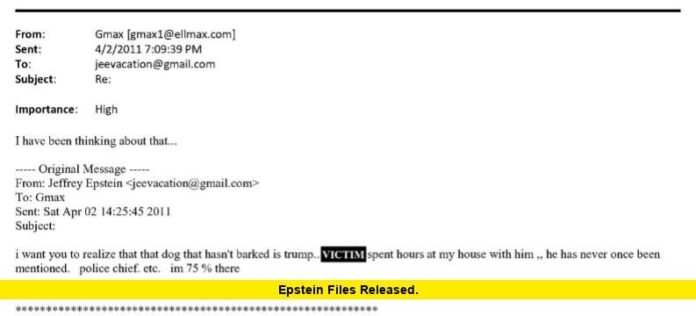
The release of the Epstein files released by the U.S. Department of Justice is imminent, and abuse survivors are warning of rising death-threat risks.
Latest updates
Survivors of the late financier Jeffrey Epstein’s sexual-abuse network say they have already received death threats — and expect them to escalate as the government prepares to publish its files.
Congress overwhelmingly approved legislation requiring the release of all unclassified DOJ records related to Epstein. The bill passed the House 427–1 on November 18, 2025 and then cleared the Senate by unanimous consent. It was signed into law on November 19, 2025.
Under the law, the files must be published in a searchable and downloadable format within 30 days unless exempt for active investigations or classified material.
Why survivors expect threats to increase
- The forthcoming disclosure touches on decades of sex-trafficking allegations and powerful individuals. Survivors say this invites backlash and intimidation.
- In a public statement titled “What we’re bracing for,” signed by 18 named survivors and 10 Jane Does, the group said they have already received threats:
“Many of us have already received death threats and other threats of harm. We are bracing for these to escalate.”
- The survivors say they’re facing multiple pressures: victim-blaming, attempts to discredit them, division tactics and threats aimed at silencing public testimony.
What the law mandates & what remains unclear
The new law demands full public disclosure of all unclassified documents held by DOJ relating to Epstein’s case. Yet there are still open questions:
- DOJ retains the ability to withhold or redact material if it contains victims’ personal identifiers, explicit imagery, or risks compromising ongoing probes.
- Despite the new law, earlier actions by DOJ indicated it would not release certain additional files — including any so-called “client list” or blackmail evidence.
- Specialists say that while the statute sets a 30-day deadline (approximately December 19, 2025), actual release could vary depending on redactions.
Read Also-When Were the Epstein Files Unsealed? Timeline and Key Developments
Timeline overview
| Date | Event |
|---|---|
| July 15, 2025 | Bill introduced in House. |
| November 18, 2025 | House approves the bill 427–1. |
| November 19, 2025 | Senate approves via unanimous consent; President signs into law. |
| By ~December 19, 2025 | Deadline for DOJ to publish files (unless valid exemptions apply). |
Survivors’ demands and calls for accountability
Survivors are uniting and pressing for full, not partial, disclosure of the Epstein files. They demand:
- Full transparency from the DOJ and federal agencies about what they knew and when.
- Protection and investigation of threats against them. They ask federal and state law-enforcement to intervene.
- Recognition that many were targeted because of vulnerability (trauma, poverty, coercion) — and that victim-shaming must cease.
What U.S. readers should watch for
- When the public download portal goes live, documenting which files are released and which remain redacted will matter.
- Patterns of threats or intimidation tied to survivors may indicate deeper systemic risks and will raise fresh questions about enforcement.
- The political dimension: how the disclosure influences public trust in federal institutions, transparency, and protections for abuse survivors.
- Legal follow-through: will names of politically exposed persons or enablers surface? Will the files trigger new investigations?
Implications for media & public discourse
The publication of the Epstein files may reshape how sexual-abuse investigations involving high-profile figures are handled. For media: evaluative scrutiny must balance victim privacy, public interest and due process. For the public: being informed about what is released, what remains hidden, and why will matter significantly.
Final thought
As the countdown to public release of the Epstein files draws near, survivors’ warnings of rising threats cannot be ignored. The coming disclosure could mark a pivotal moment in transparency and justice — and we’ll all be watching.
Sources:

