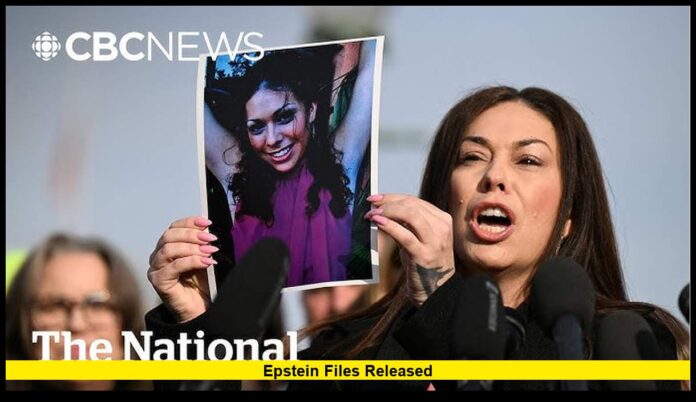
The epstein files released this month mark a major turning point in the government’s ongoing disclosure of documents related to the long-running Jeffrey Epstein investigations. A federal judge in Florida has now authorized the Justice Department to unseal grand jury transcripts and other previously restricted materials following a newly enacted law requiring the release of unclassified Epstein records. This ruling represents the most significant transparency step taken to date in the effort to make investigative files public.
A major shift in access to long-sealed evidence
The judge’s order clears the Justice Department to release grand jury transcripts from the 2006–2007 federal probe into Epstein. The recent change in federal law overrides the usual secrecy rules that protect grand jury materials, allowing unclassified information to be publicly disclosed. The order also permits existing protective orders to be modified when necessary so that more documents can be released.
The decision is notable because the documents may include testimony, witness statements, investigative exhibits, and other materials that have remained sealed for nearly two decades. Officials and legal observers say these releases could provide a fuller understanding of how the investigation unfolded and what evidence federal authorities gathered at the time.
What has already been released
Several batches of Epstein-related material have already entered the public sphere over the past year. Government agencies and oversight committees have released thousands of pages of documents, including investigative records, communications, and property inventories. Declassified materials have been published in phases as officials work to review, organize, and redact sensitive information.
Recent public postings have included images, logs, financial records, and documents recovered from Epstein’s properties. These releases have intensified the demand for visibility into the earliest phases of federal investigations, which is why the newly ordered grand jury disclosures are seen as a decisive next step.
What this new release is expected to include
Document reviewers and legal analysts expect the upcoming set of unsealed records to feature materials such as:
- Grand jury testimony from witnesses involved in the mid-2000s investigation
- Exhibits presented to the grand jury, including travel logs, seized files, and other investigative items
- Communications collected during financial and trafficking-related inquiries
- Supplemental documents that may align with materials released earlier by oversight bodies
There will still be limits on what becomes public. The Justice Department has confirmed that identifying details of victims will be redacted. Information classified for national security purposes will also be withheld. Lawmakers have urged officials to avoid unnecessary redaction and ensure the public receives meaningful, readable documents.
Timeline of events leading to the unsealing decision
- Early 2025: Agencies and committees release several sets of Epstein-related documents.
- Mid–late 2025: More declassified materials are published, increasing public access to investigative files.
- Late 2025: A new federal law mandates the release of unclassified Epstein and Maxwell–related documents.
- December 2025: A federal judge authorizes the Justice Department to release grand jury transcripts and related sealed materials.
This timeline reflects growing pressure for transparency and a clearer accounting of how investigators handled the case.
What remains unknown
While the order is final, several open questions remain about how quickly the public will see the newly released documents. Reviewing, redacting, and organizing grand jury transcripts is a complex process, so exact release dates may vary. The extent of redaction also remains unclear. Some documents may be heavily edited for privacy or security reasons, while others may be released with minimal changes.
It is also possible that additional legal filings could shape the timing or format of certain disclosures. However, the new federal law requiring release gives this process a strong and direct mandate.
Public and official reaction
Advocates for victims have emphasized the importance of balancing transparency with privacy. Many welcome the release but continue to stress that survivors’ identities must remain protected. Lawmakers from both parties have voiced support for the unsealing order and have encouraged the Justice Department to act swiftly and with care.
Public interest in the documents remains high, especially as prior releases revealed extensive detail about Epstein’s operations, relationships, travel, and financial structures. With grand jury evidence now set for publication, many readers anticipate new insight into the earliest phases of the government’s investigative work.
What readers can expect next
As the Justice Department completes its review, documents will be released in stages. Some may appear as full transcripts, while others may be summaries or document bundles that reflect redaction requirements. Oversight bodies may also share additional records as they receive new material.
The ruling ensures that more evidence will enter the public domain, offering a clearer view into key investigative decisions and the scope of the federal case. For many in the U.S., this moment represents a long-awaited opportunity to understand more about how previous investigations were handled and what information was available to authorities at the time.
With the next wave of Epstein documents approaching release, share your thoughts below and join the discussion as new material comes to light.

