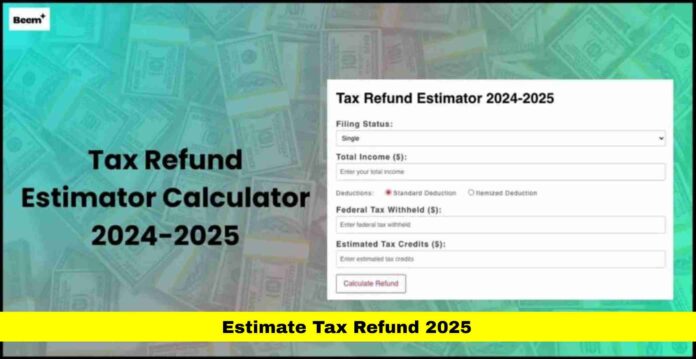
As the 2025 tax season approaches, millions of Americans are seeking clarity on the expected returns from their federal filings. Calculating the expected return has become increasingly important due to recent changes in tax law, adjustments to deductions, inflation-linked thresholds, and the evolving rules for credits. Understanding how the refund process works and what factors influence it is essential for effective financial planning. This guide breaks down every aspect of preparing for the 2025 season, helping taxpayers make informed decisions and optimize their filing outcomes.
Table of Contents
Why Planning Ahead Is Vital
Accurate projections of potential returns allow taxpayers to manage their budgets more effectively. Many households rely on anticipated refunds for major expenses, including home improvements, education, medical bills, or debt reduction. Planning for a realistic return prevents financial missteps caused by overestimating the amount of money that will arrive.
In 2025, higher standard deductions and inflation adjustments to tax brackets make planning even more critical. Estimating early gives individuals a clearer view of their year-end finances and helps align spending habits with expected outcomes.
How Federal Returns Are Calculated
The foundation of determining what a taxpayer might receive lies in the calculation of total tax liability compared with the total amount already paid through withholding or estimated payments. The process begins with total gross income, which includes wages, interest, dividends, retirement distributions, and other taxable sources. Adjustments, such as retirement contributions or student loan interest, reduce gross income to arrive at the adjusted gross income.
Once adjustments are applied, the calculation of taxable income follows. Tax rates are then applied based on filing status, and applicable deductions and credits are subtracted to determine the total liability. The difference between this liability and the total paid throughout the year results in either a refund or a balance due.
Income Reporting and Accuracy
Proper income reporting is central to reliable projections. Any discrepancies between reported earnings and employer or financial institution records can trigger delays and corrections. Taxpayers with multiple sources of income, including side businesses, freelance work, or investment gains, must track all earnings carefully to ensure accuracy. Even minor omissions can affect the final calculation and extend processing times.
The Role of Withholding in Refund Outcomes
Employer withholding remains one of the most significant factors in determining refunds. Over-withholding generally leads to larger refunds, while under-withholding can result in a balance due. Taxpayers can adjust withholding using updated forms to align with anticipated earnings and deductions. Regular review of withholding throughout the year is particularly important for households experiencing changes such as promotions, new jobs, or dual-income adjustments.
Quarterly Payments and Self-Employed Filers
Self-employed individuals and those without employer withholding must make quarterly estimated payments. Accurate planning of these payments is crucial for preventing penalties and ensuring that sufficient tax is covered throughout the year. Overpaying estimated taxes results in larger returns, while underpayment can lead to unexpected balances and potential interest or penalties.
How Deductions Influence Outcomes
Deductions lower taxable income, directly affecting the potential return. Taxpayers can choose between the standard deduction and itemizing, depending on which option provides a greater reduction in taxable income. For many households, the standard deduction remains the simplest and most beneficial choice, particularly with the inflation-adjusted amounts for 2025.
Itemized deductions still play a critical role for taxpayers with significant expenses, such as mortgage interest, property taxes, charitable contributions, or medical costs. Combining these deductions with proper withholding strategies can positively impact the total refund.
Tax Credits That Increase Returns
Tax credits reduce liability and can have a significant effect on potential refunds. Refundable credits allow taxpayers to receive payments beyond their total tax liability. Nonrefundable credits reduce tax owed but cannot generate a return greater than the liability. Understanding eligibility criteria for each credit is essential for planning and accurate estimation.
For families, credits related to children, education, and earned income continue to be highly influential. Accurately accounting for these credits when projecting outcomes helps avoid surprises during filing.
The Importance of Filing Status
Filing status determines tax brackets, standard deduction levels, and credit eligibility. The primary options include single, married filing jointly, head of household, and qualifying widow(er). Each status carries specific implications for liability and refunds, and selecting the correct status ensures accurate projections. Life events such as marriage or the birth of a child can change the appropriate filing status and influence potential returns.
Life Changes That Affect Returns
Significant life events often alter refund outcomes. Marriage, divorce, relocation, having children, or changes in employment status can all affect eligibility for deductions and credits. Taxpayers should incorporate these changes into their projections to ensure realistic planning.
For example, gaining a dependent can increase eligibility for refundable credits and reduce overall tax liability, while a change in income may affect phaseouts for certain benefits.
Timing of Filing and Processing Speeds
Filing early typically speeds processing and minimizes the risk of delays, especially when choosing electronic submission and direct deposit. Paper filings generally take longer to process and are more prone to errors. Certain credits and verification procedures can also extend processing times, even for electronically filed returns.
Monitoring the Status of Refunds
Once a return is filed, online tracking tools allow taxpayers to monitor the progress of their refund. These systems update daily, providing stages such as return received, approved, and payment issued. While tracking does not change the amount received, it helps manage expectations and provides reassurance.
Common Causes of Delayed Refunds
Refund delays occur for several reasons. Errors on the return, mismatched income information, missing forms, or identity verification requirements are frequent causes. Returns claiming certain credits often undergo additional review to ensure accuracy. Responding promptly to IRS communications helps reduce processing delays.
How Estimators Support Planning
Tax estimation tools provide taxpayers with a way to simulate various scenarios and see how changes in income, deductions, credits, or withholding impact potential returns. Using these tools before the end of the tax year allows for proactive adjustments to withholding or estimated payments, ensuring a more controlled and predictable outcome.
Adjusting Withholding Based on Projections
When estimations reveal large returns or balances due, adjusting withholding can improve cash flow and prevent overpayment. Filing an updated withholding form during the year allows taxpayers to align payments more closely with their anticipated liability, reducing the financial impact of waiting for a refund or paying a balance at filing.
Income Group Variability in Refunds
Refund outcomes differ widely by income level. Lower-income households often benefit from refundable credits, while middle-income households rely more heavily on standard deductions and withholding patterns. High-income taxpayers may face smaller refunds or balances due depending on investment income and withholding accuracy. Understanding these patterns helps in setting realistic expectations.
The Psychological Impact of Refunds
Many taxpayers perceive refunds as unexpected bonuses, though they represent overpaid taxes. Viewing refunds as a result of accurate planning and overpayment prevention encourages smarter financial decisions. Recognizing refunds as part of annual financial management helps individuals use them strategically rather than treating them as windfalls.
The Role of Early Preparation
Gathering all relevant financial documentation early, reviewing income sources, and checking withholding before the start of filing season ensures more accurate projections. Early preparation reduces errors and allows for quicker processing and receipt of refunds. Taxpayers who file early often face fewer delays and complications.
Limitations of Refund Estimators
Refund estimation tools provide projections based on entered data but cannot account for audits, verification delays, system backlogs, or changes in legislation that may occur after the projection. Despite these limitations, estimators remain an essential tool for planning and adjusting withholding strategies during the year.
Planning Beyond the Refund
Understanding how refunds are calculated and estimated empowers taxpayers to plan beyond filing season. Effective use of refunds can support debt reduction, emergency savings, investments, or major purchases. Conversely, adjusting withholding to minimize refunds allows taxpayers to increase monthly cash flow throughout the year. Both approaches require awareness and careful planning.
Frequently Overlooked Factors Affecting Returns
Certain factors, often overlooked, can influence refunds. These include capital gains, investment losses, retirement distributions, and state-specific rules. Accurate documentation and calculation of these items are critical for reliable projections.
Unexpected changes in income during the year, such as bonuses or freelance income, can also affect projected refunds. Regular monitoring of income and tax withholdings ensures estimates remain realistic.
Maintaining Records for Accuracy
Maintaining accurate financial records, including receipts for deductible expenses and documentation for income and credits, supports accurate refund projections. Records also simplify the filing process and reduce the likelihood of errors or audits, leading to more predictable outcomes.
Long-Term Benefits of Understanding Returns
Learning how refunds are estimated cultivates financial literacy and empowers taxpayers to make better decisions year-round. Awareness of how income, withholding, deductions, and credits interact helps households plan more effectively and avoid surprises during tax season.
Final Perspective on Refund Planning
Estimating a return for the 2025 tax year is a blend of accurate reporting, understanding tax rules, and proactive financial planning. By accounting for income, withholding, deductions, credits, life events, and legislation, taxpayers can approach filing season with confidence. Accurate planning reduces surprises, supports better financial decisions, and allows for more strategic use of refunds or withholding adjustments.
How do you plan for your refund each year, and what strategies have helped you manage expectations and optimize your return? Share your thoughts or stay informed as updates continue.

