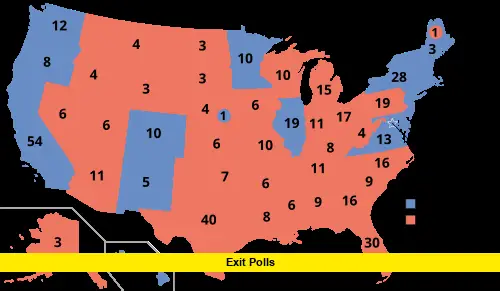
Exit polls have become the nation’s first real-time snapshot of voter sentiment, providing crucial insights into who voted, why they voted, and what issues shaped their choices. In the 2025 elections, exit polls are once again at the center of attention — offering a window into how Americans are feeling about the economy, leadership, and the direction of the country.
As results continue to unfold across multiple states and major cities, exit poll data paints a compelling picture: the electorate remains sharply divided, yet unified by a shared concern about economic pressures and rising costs of living.
Table of Contents
Understanding Exit Polls in 2025: The Foundation of Election Night Analysis
Exit polls are surveys conducted among voters as they leave polling stations, and in recent years, they’ve expanded to include interviews with early and mail-in voters. Their goal is to understand not just who voted, but why.
In 2025, the methodology behind exit polls is more advanced than ever. Pollsters use mixed modes — in-person interviews, verified phone calls, and secure digital questionnaires — to include every voting method Americans use. Early voting and mail ballots, which now account for nearly half of all votes in many states, are fully represented in modern exit poll samples.
Key aspects of 2025 exit polling include:
- Hybrid data collection: Both in-person and remote responses are blended for balance.
- Demographic weighting: Pollsters ensure proportional representation across race, gender, age, income, and education levels.
- Regional diversity: Urban, suburban, and rural voters are sampled to reflect geographic nuances.
- Real-time updating: Exit polls are continuously recalibrated throughout election night as turnout data becomes available.
These refinements have made exit polls more accurate and representative, offering a closer reflection of real voting patterns across the United States.
What the Latest Exit Polls Reveal About 2025 Voters
The 2025 exit polls highlight a defining theme: economic unease. From the West Coast to the East Coast, voters are voicing frustration over affordability, wages, and the cost of essentials like housing, food, and healthcare.
Across multiple regions, voters ranked their top concerns as follows:
| Issue | Voter Priority Level | Impact on Decisions |
|---|---|---|
| Inflation and economy | Very High | Majority say rising prices influenced their vote most. |
| Cost of living and housing | High | Home prices and rent costs drove local vote patterns. |
| Taxes and state spending | Moderate | Tax policy remains decisive in suburban districts. |
| Crime and safety | Moderate | Still a key issue, particularly in urban centers. |
| Healthcare and education | Low to moderate | Important to younger and middle-aged voters, less so to older ones. |
The emphasis on affordability stands out as the unifying theme of the 2025 election cycle. Whether in New York City, New Jersey suburbs, or California’s major metro areas, voters overwhelmingly said the economy played a major role in how they voted.
Exit Poll Insights: By Region and State
1. New York City:
The city’s exit polls reveal that over half of voters identified cost of living as the most pressing issue facing their community. Rent prices, housing availability, and general affordability overshadowed concerns about crime and transit. Interestingly, younger urban professionals leaned toward candidates advocating rent control and affordability initiatives, while older property owners were more concerned about taxes and city services.
2. New Jersey:
In the Garden State, property taxes and energy costs emerged as leading voter motivators. Suburban families expressed frustration with rising expenses and state fiscal policies. Exit poll data showed that voters were split along economic lines — higher-income residents focused on tax reform, while middle-class voters prioritized job growth and living costs.
3. California:
Exit polls in California revealed widespread dissatisfaction with the direction of both the state and national economies. A majority of voters said they were either “frustrated” or “dissatisfied” with current leadership. Housing affordability ranked highest, followed closely by energy prices and local job opportunities. Younger voters expressed disillusionment with the lack of progress on cost-of-living issues, while older voters voiced concern over taxes and public safety.
4. Virginia:
In Virginia, the urban-rural divide remains strong. Exit poll data shows that voters in Northern Virginia leaned toward progressive candidates, prioritizing education and environmental policies. Meanwhile, southern and rural counties focused on taxes, infrastructure, and traditional economic issues. The data reveals a familiar pattern — economic anxiety, shaped by local context, continues to guide voting choices.
Demographic Breakdown: Who Voted and Why
Exit polls provide one of the most detailed demographic portraits of the electorate available anywhere. In 2025, several notable patterns have emerged:
- Younger Voters (18–29): Though turnout among young voters dipped slightly from 2024, those who did vote were highly issue-driven. They cited housing affordability, climate policy, and student debt as top priorities.
- Women Voters: Women continued to play a decisive role. Younger women leaned toward candidates supporting reproductive rights and economic equality, while older women tended to prioritize safety, healthcare, and cost of living.
- Suburban Voters: Suburbs remain the most competitive regions. Economic management and property values drove decisions, with many voters citing local tax policy as a decisive factor.
- Hispanic and Asian-American Voters: Both groups continue to diversify the electorate. Exit polls show growing engagement, with a notable focus on education and economic opportunity.
- Rural Voters: Rural regions remain strongholds of conservative turnout, emphasizing lower taxes, job growth, and cultural issues.
The data confirms that while partisan divides persist, economic and practical issues still unite voters across demographic lines.
Exit Polls and Election Trends: The National Message
Beyond the state and demographic details, the national message of the 2025 exit polls is clear — voters are seeking stability. Across age groups and regions, Americans expressed a shared sentiment: they want stronger economic management, more affordable living conditions, and greater trust in political leadership.
This sentiment has implications for both parties. Candidates who focused their campaigns on local cost-of-living issues performed better in competitive areas. Conversely, those who emphasized ideological debates or national partisanship saw mixed results.
The exit poll trends also show an increasing appetite for pragmatic governance — policies that deliver tangible improvements rather than rhetoric. Voters appear tired of political polarization and want solutions that make everyday life more affordable.
How Exit Polls Shape Election Coverage
For media networks, analysts, and political strategists, exit polls are a crucial part of election night coverage. They help identify early momentum shifts and reveal why certain candidates are outperforming expectations.
Exit poll results are typically released once polls close in a given state to avoid influencing turnout elsewhere. They guide early projections, shape newsroom analysis, and give context to incoming vote counts.
By comparing exit poll data with official results, experts can also assess which campaign messages resonated most effectively and where the biggest shifts occurred compared to previous cycles.
The Reliability of Exit Polls
Modern exit polls are far more sophisticated than in previous decades, but they’re not perfect. Pollsters emphasize that exit polls are estimates, not official results. Factors like nonresponse bias and late-deciding voters can introduce small variations. However, these polls remain one of the most reliable tools for understanding voter sentiment at scale.
Pollsters mitigate bias through demographic weighting, oversampling underrepresented groups, and continuously adjusting as turnout data becomes clearer. By late evening, exit poll projections typically align closely with final outcomes, giving the public a trustworthy early view of the election landscape.
Looking Ahead: What 2025 Exit Polls Mean for 2026 and Beyond
The lessons from the 2025 exit polls will likely shape campaign strategies heading into 2026. The focus on the economy, inflation, and affordability signals that these will remain top issues in the next election cycle.
Candidates from both major parties are expected to recalibrate messaging to address voter fatigue and frustration with rising costs. The data also indicates that younger voters, though less numerous, remain a key swing group. Their emphasis on affordability and climate policy could drive campaign priorities for years to come.
Moreover, the geographic divides evident in 2025 — with urban centers trending progressive and rural areas remaining conservative — continue to define America’s political map. The suburbs, as always, will remain the key battlegrounds in determining control of statehouses and Congress.
The Big Takeaway from Exit Polls 2025
Exit polls are more than just numbers. They capture the emotional and economic pulse of the nation — what voters are feeling, fearing, and hoping for. This year, that pulse beats with concern over affordability, leadership, and trust in government institutions.
As Americans await certified results, the data already makes one thing clear: the economy remains the decisive force shaping the nation’s political identity.
The story doesn’t end when the polls close — share your thoughts below and stay tuned as we continue tracking how exit polls reveal the changing heart of America’s voters.

