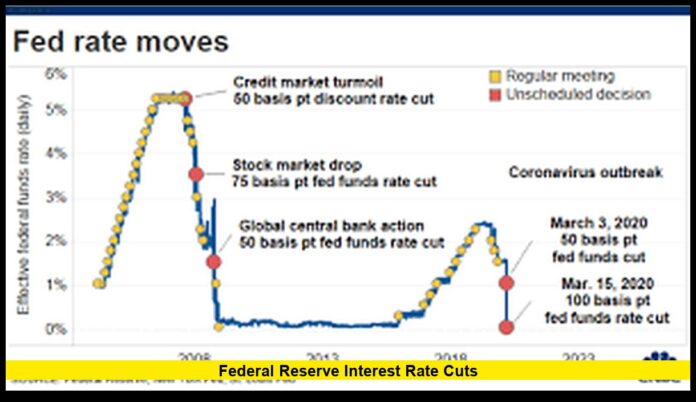
Federal Reserve interest rate cuts returned to the spotlight after the central bank lowered the federal funds target range to 3.50%–3.75% on December 10, 2025. The decision came at a critical moment for the U.S. economy, which has been experiencing a mix of moderating inflation, slower job growth, and shifting market expectations. With this move, policymakers signaled a measured approach to easing financial conditions while remaining attentive to the broader economic environment.
The December meeting attracted significant attention because it represented the third consecutive reduction in 2025. Each cut has been a response to changing data, cooling labor trends, and the central bank’s intention to avoid unnecessary economic loss as inflation gradually moves toward its long-term target. While the cut matched market expectations, the internal debate within the committee highlighted the ongoing tension between competing risks.
Table of Contents
Why the Fed Moved Forward With a December Cut
The economic backdrop leading into December was shaped by a steady decline in job creation and slower wage pressures, both indicators of a labor market transitioning away from its previously overheated state. A reduced pace of hiring has given the central bank new opportunities to shift toward a supportive policy posture, especially with inflation still elevated but trending lower.
Price growth has come down meaningfully from its earlier highs, yet it has not fallen fast enough for policymakers to declare victory. This middle-ground environment—where inflation remains above the target but the economy shows signs of fatigue—has pushed the Fed to balance caution with support. A 25-basis-point reduction was viewed as enough to ease financial conditions while avoiding the risk of stimulating demand too quickly.
Officials emphasized that the decision reflects a data-driven approach rather than a preset sequence of actions. Their messaging underscored that future moves will depend entirely on evolving economic indicators, particularly employment and price stability.
Internal Divisions Among Policymakers
Although the rate cut was approved, notable disagreements surfaced during the meeting. Some committee members wanted a larger cut, arguing that weakening economic momentum justified more aggressive action. Others were hesitant to support any easing, maintaining concerns that inflation might stall before reaching the 2 percent goal.
This internal divide offers insight into how uncertain the economic landscape remains. A more unified stance typically indicates clearer trends, but the mixed outlook has created debate about the correct degree of support. These differences matter because they help shape the pace of future rate moves and influence financial markets that track central bank sentiment closely.
What the New Target Range Means for the Economy
The shift to a 3.50%–3.75% target range adjusts short-term borrowing costs across the financial system. Banks use the federal funds rate as a reference point for pricing a wide range of financial products, meaning the Fed’s move has direct and indirect effects on households and businesses.
With the new range in place, short-term loans become more affordable, easing pressure on borrowers. In the broader economy, lower rates can stimulate investment, support consumer spending, and influence decisions made by companies and local governments.
However, the impact of each cut arrives gradually. Financial institutions typically adjust pricing over weeks or months, and consumers often notice changes at different speeds depending on the product. Even so, a consistent pattern of easing helps set expectations and guides financial planning across the economy.
How Markets Responded to the Rate Cut
Following the announcement, major U.S. stock indexes moved higher as investors interpreted the cut as a positive step. Markets welcomed the idea that policymakers were prepared to support economic activity while maintaining their focus on inflation. Treasury yields fell in response, reflecting expectations of easier financial conditions.
Leading up to the meeting, markets displayed noticeable volatility. Traders debated how far the Fed might go and whether disagreements within the committee would affect the outlook. Once the decision was released, that uncertainty eased, and markets adjusted quickly to the new policy stance.
The reaction also highlighted how sensitive financial conditions have become to central bank communication. Even small adjustments in the projected path of rates can move markets substantially, especially during periods of economic transition.
What Borrowers and Consumers Can Expect
Mortgage Rates
Mortgage rates often respond to broader financial conditions rather than directly to Fed decisions. However, easing moves can help push them lower over time. Homebuyers may find slightly more favorable financing opportunities, and refinancing could become more attractive if downward trends continue. While changes may not appear immediately, sustained easing can help cool the cost of long-term borrowing.
Credit Cards and Auto Loans
Consumers with variable-rate credit products tend to feel the effects of Federal Reserve policy earlier. As the benchmark rate declines, interest charges on credit cards and adjustable loans may decrease, offering modest relief to households managing debt.
Auto loans, which depend heavily on lender funding costs, may also show gradual improvements. Lower borrowing expenses can support vehicle sales and refinancing options in the coming months.
Savings and Deposit Rates
Savers should expect some downward movement in returns on short-term accounts. Deposit rates rose notably during the previous tightening cycle, but rate cuts usually lead to slower or reduced payouts. While yields are likely to remain higher than historical lows, consumers may begin to see declines depending on competition among banks.
Longer-Term View: How the 2025 Cuts Fit Into the Broader Policy Path
The December cut completes a trio of rate reductions in the final stretch of 2025. Throughout the year, policymakers outlined a careful progression from restrictive territory toward a more balanced setting. The move aligns with broader goals of sustaining economic momentum while supporting a cooling inflation environment.
Recent projections show that policymakers anticipate fewer cuts in 2026 compared to earlier expectations. That restrained outlook demonstrates caution and suggests that the committee wants clearer confirmation that inflation is on a consistent path downward.
Key themes shaping the outlook include:
- Cooling labor conditions: Slower hiring reduces wage pressures.
- Steady but elevated inflation: Rates are improving, though progress is uneven.
- Cautious policymaker tone: Officials are allowing data to guide the pace of easing.
- Market sensitivity: Investors react strongly to changes in projections and statements.
This environment requires vigilance from policymakers and careful interpretation from analysts and market participants.
Why the Path Forward Remains Uncertain
Even with multiple rate cuts behind them, policymakers face a challenging landscape. Inflation trends have improved, but certain categories continue to show stubborn price pressure. Shelter costs and services inflation, for example, continue to shape headline figures.
At the same time, the labor market remains resilient despite clear signs of slowing. Wage growth has moderated, but layoffs have not spiked. The Fed must consider whether the slowdown is gentle enough to avoid recessionary risks or sharp enough to require additional support.
The balance between avoiding excessive inflation and supporting economic activity is delicate. Policymakers must weigh each indicator carefully, knowing that an overly fast easing pace could rekindle inflation while an overly slow pace could suppress growth.
What Investors and Households Should Watch Next
Attention now turns to upcoming data releases. Monthly inflation readings will play a decisive role in shaping expectations for future meetings. If price growth continues to decline steadily, additional support may become more likely. If inflation stalls, policymakers could pause to reassess.
Employment reports carry similar weight. Job creation, wage trends, and labor force participation levels will influence views on economic resilience. A meaningful weakening of the labor market could increase pressure for further easing.
Consumers, investors, and business owners should also watch how financial institutions adjust lending standards. Even with rate cuts in place, banks may become more cautious if economic conditions appear uncertain.
The Broader Significance of the Latest Federal Reserve Interest Rate Cuts
The December decision offers a clear signal that policymakers are focused on stabilizing the economy without losing sight of inflation progress. The cut shows confidence that the economy can continue moving toward a healthier balance, but it also reflects sensitivity to early signs of cooling.
Federal reserve interest rate cuts tend to influence every part of the economic landscape, from homebuyers and savers to corporations and local governments. This latest move highlights the central bank’s commitment to steady, data-guided adjustments rather than abrupt shifts.
Final Thoughts
As the economy moves into 2026, the path of monetary policy will remain one of the most important issues for households, businesses, and markets. The December cut shapes expectations but does not guarantee how future decisions will unfold. What remains clear is that the central bank aims to navigate the economy toward stability through measured, transparent steps rooted in incoming data.
Share your thoughts below—how do you think the next few months of economic data will shape the Fed’s direction?

