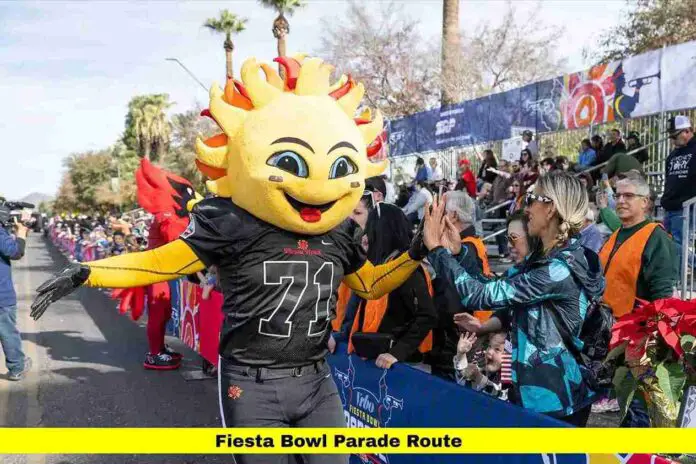
The fiesta bowl parade route for 2026 has been officially confirmed, giving fans and Phoenix residents a clear plan for one of Bowl Week’s most anticipated public events. Scheduled for Saturday, January 3, 2026, the parade takes place days before the College Football Playoff semifinal, transforming central Phoenix into a celebration zone filled with marching bands, floats, balloons, community groups, and performers. The route remains centered in North and Central Phoenix, using wide, accessible streets designed to handle large crowds safely and comfortably.
This article provides a detailed, factual, and current breakdown of the parade route, including start and end points, street-by-street movement, timing, crowd planning, accessibility, transportation considerations, and what spectators can realistically expect on parade day.
Table of Contents
What the Parade Represents in Bowl Week
The parade is more than a pregame celebration. It serves as the official public kickoff of Bowl Week festivities in Arizona. Thousands of spectators line the streets each year, including families, college football fans, local residents, and visitors traveling in from across the United States.
The route is selected to highlight Phoenix’s central corridors while keeping the event accessible. Its layout allows the parade to move smoothly without sharp turns or bottlenecks, ensuring consistent visibility for viewers and reliable pacing for participants.
Confirmed Date and Start Time
The 2026 parade takes place on Saturday, January 3, with a scheduled start time of 10:00 a.m. Organizers plan the timing to avoid early-morning congestion while still allowing the event to conclude before mid-afternoon.
Spectators typically begin arriving between 8:30 a.m. and 9:30 a.m. to secure viewing spots. Streets along the route close earlier in the morning to allow staging, safety checks, and crowd setup.
Official Starting Point in North Phoenix
The parade begins at Central Avenue and Montebello Avenue, a location chosen for its open space and strong traffic control options. This area serves as the staging zone where floats, bands, and groups assemble before the procession begins.
Early arrivals near the starting point experience a behind-the-scenes atmosphere. Bands warm up, volunteers coordinate entries, and floats complete final checks. This section offers a unique perspective for spectators who enjoy seeing the event come together.
Southbound Movement Along Central Avenue
From the starting point, the parade proceeds south on Central Avenue. This stretch forms the backbone of the route and offers some of the best visibility for spectators.
Central Avenue is wide, straight, and lined with sidewalks that can accommodate large crowds. The parade maintains a steady pace here, allowing spectators enough time to enjoy each float, performance group, and marching band.
This section is especially popular with families and large groups due to its accessibility and consistent sightlines.
Eastward Turn Onto Camelback Road
After traveling south, the parade turns east onto Camelback Road. This change in direction adds visual interest and allows spectators along a different corridor to engage with the event.
The turn itself often becomes a highlight. Bands adjust formations, performers interact with the crowd, and floats slow slightly as they navigate the corner. Camelback Road provides ample viewing space and attracts spectators who prefer slightly less congestion than the initial stretch.
Continuing South on Seventh Street
From Camelback Road, the procession turns south onto Seventh Street. This portion of the route carries the parade deeper into Central Phoenix and maintains the high energy established earlier.
Seventh Street offers a balanced viewing experience. The sidewalks are active but generally less crowded than the earliest sections. Many longtime attendees prefer this area for its mix of excitement and mobility.
Community groups often engage heavily with spectators here, making it a strong choice for families and repeat viewers.
Ending Area Near Minnezona Avenue
The parade officially concludes near Minnezona Avenue. This endpoint allows participants to exit the route safely while spectators begin transitioning to post-parade activities.
Crowds tend to thin slightly near the end, which appeals to viewers who prefer a calmer environment. Many attendees use this area as a natural break point before heading to lunch, other Bowl Week events, or returning home.
Total Route Length and Duration
The full parade route spans approximately 1.5 to 2 miles through North and Central Phoenix. This distance allows the event to move at a comfortable pace while still fitting within a three-hour window.
Most spectators can expect the parade to pass their location between 10:00 a.m. and 1:00 p.m., depending on where they are positioned along the route.
Street Closures and Traffic Planning
Temporary street closures are implemented along the entire route and nearby intersections. Closures typically begin early in the morning, often around 6:00 a.m., and remain in place until the parade concludes and cleanup is complete.
Major streets affected include Central Avenue, Camelback Road, Seventh Street, and surrounding side streets. Drivers are advised to plan alternate routes and allow extra travel time.
Traffic control teams manage access points to ensure emergency routes remain open throughout the event.
Parking Availability and Strategy
There is no single designated parking area for the parade. Parking is available on nearby streets and in public lots on a first-come basis.
Early arrival significantly increases the chance of finding convenient parking. Many spectators choose to park farther away and walk in to avoid congestion near the route.
Ride-share services are commonly used but may experience delays due to street closures. Walking and biking are popular options for residents living nearby.
Public Transportation Considerations
Public transportation provides a reliable alternative for reaching the parade area. Routes serving Central Phoenix operate with modified schedules due to street closures.
Passengers should expect adjusted drop-off points and plan for short walks to reach the route. Transit officials provide signage and staff support to help guide riders on parade day.
Accessibility Along the Route
Accessibility is a key consideration throughout the route. Wide sidewalks, curb cuts, and open viewing zones support attendees using wheelchairs, strollers, or mobility aids.
Designated accessible viewing areas are typically located along the widest sections of the route. Portable restrooms, including accessible units, are placed at intervals for convenience.
Arriving early is recommended for those who require specific accommodations.
Best Viewing Areas by Preference
Spectators looking for high energy often choose Central Avenue near the starting area. Those who prefer balanced crowds and clear views frequently select Camelback Road or Seventh Street.
Viewers seeking a quieter experience tend to position themselves closer to the endpoint near Minnezona Avenue. Each section offers a distinct atmosphere, allowing attendees to tailor their experience.
Family-Friendly Planning Tips
Families attending with children benefit from arriving early, bringing folding chairs, water, and snacks. Sunscreen and hats are also recommended due to extended sun exposure.
Children often enjoy areas where performers interact more directly with the crowd, particularly along Seventh Street.
Weather Expectations and Comfort
Early January weather in Phoenix is typically mild, with cool mornings and warmer midday temperatures. Dressing in layers helps maintain comfort throughout the event.
Comfortable footwear is essential for spectators who plan to walk along the route or stand for extended periods.
Crowd Behavior and Safety
Crowds are generally orderly and family-friendly. Security personnel and volunteers are positioned throughout the route to assist spectators and respond to concerns.
Attendees are encouraged to remain aware of their surroundings and follow instructions from event staff.
Community Involvement and Local Pride
Local schools, nonprofits, and community organizations play a major role in the parade. Their participation adds depth and authenticity to the event.
The route becomes a shared public space where residents and visitors celebrate together, reinforcing the parade’s role as a civic tradition.
Connection to Other Bowl Week Events
The parade serves as the opening event of Bowl Week, leading into fan festivals, team events, and the semifinal game later in the week.
Its central location makes it easy for attendees to transition into other activities without extensive travel.
Why the Route Matters
The parade route reflects careful planning to balance visibility, safety, and accessibility. By using major central streets, organizers ensure that the event remains inclusive and easy to navigate.
Understanding the route allows spectators to plan effectively, avoid frustration, and fully enjoy the experience.
What to Know Before You Go
Arrive early, review street closure plans, and decide on a viewing location in advance. Bring essentials for comfort and be prepared for walking.
Planning ahead transforms the parade from a simple viewing event into a memorable day-long experience.
Whether you’re attending for the first time or returning as a longtime fan, the fiesta bowl parade route offers a vibrant and welcoming way to begin Bowl Week—share your plans or favorite viewing spots and stay informed as the celebration approaches.

