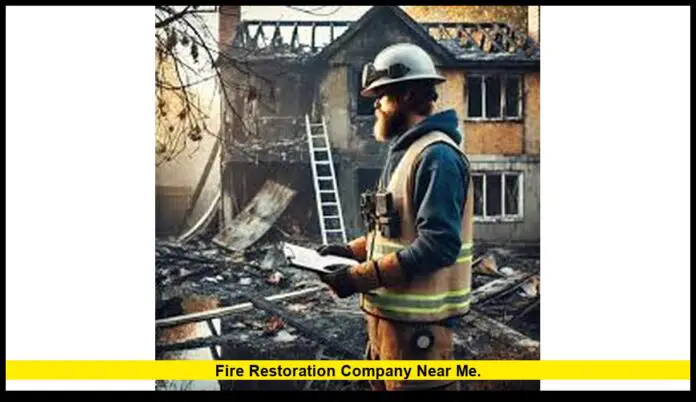
When flames or smoke damage a home, finding a reputable fire restoration company near me is the first step toward recovery. Recent developments in the restoration industry, insurer guidance, and state-level actions have changed how homeowners should choose contractors, document losses, and approach cleanup. This article lays out the verified facts you need today, in clear, practical steps.
Table of Contents
Why the restoration landscape matters now
The U.S. restoration sector has seen rapid consolidation, fresh private-equity investment, and growing demand after a costly wildfire season. That combination has accelerated adoption of technology — drones for damage surveys, AI for estimating losses, and greener cleaning methods — while also changing how national and local providers respond to large-scale disasters. Homeowners should expect faster deployment from large networks but still prioritize local expertise and verified qualifications.
How to verify a fire-restoration contractor
Start with the fundamentals: licensing, insurance coverage, certifications, and written contracts.
- Licensing and local registration. Always confirm that the contractor holds the correct state or local license for structural and remediation work. Licensing boards and contractor registries can confirm status and complaint history.
- Insurance and bonding. A professional company should carry general liability and workers’ compensation insurance; get certificates and verify them with the insurer.
- Industry certifications. Look for technicians certified under recognized restoration standards; these certifications indicate workers trained in smoke, soot, and structural remediation.
- Written estimate and scope. Obtain an itemized, written estimate and a scope of work that specifies containment, soot removal, odor control, and post-restoration testing when applicable.
What restoration companies actually do after a fire
A certified fire-restoration team follows staged actions: safety assessment and mitigation, debris removal where permitted, smoke and soot cleaning, odor control, structural repairs, and content restoration or pack-out. For potential hazardous contamination (asbestos, lead, or petroleum products), crews coordinate with environmental specialists and follow testing protocols before re-occupancy.
Insurance claims: document everything
Document damage with photos and video before cleanup whenever it’s safe. Keep records of all communications with your insurer and the restoration company. Recent regulatory guidance emphasizes that insurers must handle smoke-damage claims in accordance with best-practice remediation standards and applicable law; homeowners should expect insurers to require specific documentation and, in some cases, independent testing to confirm remediation. If you suspect delays or denials, file complaints with your state insurance regulator and consider consulting a public adjuster or attorney who specializes in fire-loss claims.
Smoke and soot: long-term health and cleaning realities
Smoke and soot can carry hazardous particles, especially after wildfires or structure fires that burned plastics or treated materials. Professional cleanup typically includes HEPA-filtered vacuums, specialized dry and wet cleaning techniques, and controlled HVAC cleaning or replacement. Homeowners should expect detailed pre- and post-cleaning inspection notes and, for serious smoke exposure, recommendations for clearance testing before returning to normal use.
Local rules and emergency measures affect restoration timing
State and local agencies sometimes issue emergency orders or permitting relief after major disasters to speed rebuilding. These temporary measures can accelerate repairs but do not remove the need for proper permits, inspections, and licensed contractors for structural work. Homeowners in declared disaster areas should follow local guidance about debris removal, safety, and contractor selection.
Technology and sustainability in modern restoration
Restoration firms are increasingly using drones for roof and exterior damage surveys, AI-driven estimating tools for faster claims processes, and environmentally friendly cleaning agents and disposal practices. These technologies can shorten timelines and reduce environmental impact while improving documentation quality for claims.
Choosing between national brands and local specialists
National franchise or corporate networks offer scale and may mobilize more quickly after large events. Local specialists often bring deep knowledge of local building codes, climate-specific restoration methods, and community reputation. When choosing, evaluate recent local project references, turnaround times, certifications, and whether the company will subcontract work or perform it directly.
Costs and expectations
Restoration costs vary widely based on fire severity, smoke contamination, and structural damage. Expect a professional estimate to account separately for emergency mitigation, contents cleaning or pack-out, structural repairs, and testing. Where insurers are involved, ensure estimates align with policy terms and state regulatory guidance on fair claims handling.
Red flags to avoid
- High-pressure sales or “sign now” offers.
- Demands for large upfront cash payments without a transparent contract.
- Lack of verifiable license, insurance, or references.
- Vague scope of work or refusal to provide a written timeline and warranty.
Immediate checklist for homeowners after fire damage
- Confirm everyone is safe and contact emergency services if needed.
- Take photos and video of damage when safe.
- Contact your insurer to report the loss and ask about claim procedures.
- Get at least two written estimates from licensed restoration contractors; ask about certifications and clearance testing.
- Save damaged items for inventory unless instructed otherwise, and keep receipts for temporary housing or emergency purchases.
- Ask the contractor for a detailed scope, timeline, and guarantees.
- Follow local public health guidance on re-entry and air-quality precautions.
Preparing ahead: what to do now to make restoration easier later
Keep a home-inventory list with photos stored off-site or in the cloud. Review home insurance annually to confirm coverage for fire and smoke-related damage. Maintain backup copies of important documents and store emergency contact numbers for local licensed restoration providers.

