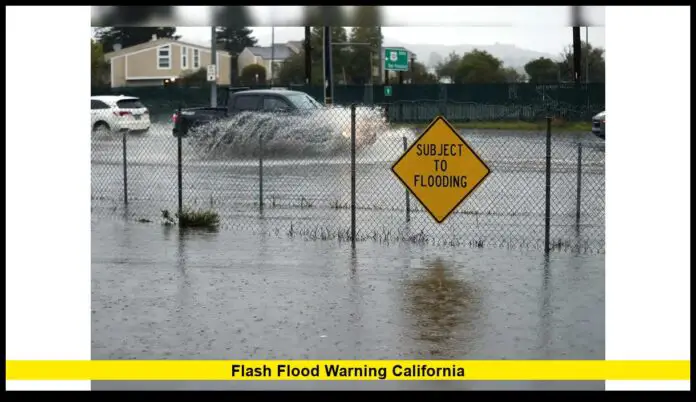
A flash flood warning California alert signals immediate danger as heavy rain and saturated ground threaten homes, roads, and communities. The National Weather Service urges residents to move to higher ground, avoid flooded areas, and stay tuned to official alerts. Quick action saves lives—never drive through floodwaters and follow evacuation instructions immediately when warnings are issued.
Flash flood warning California alerts have become a crucial part of the state’s emergency communication system. With severe weather patterns intensifying in recent years, Californians are increasingly urged to stay alert, especially during winter storms fueled by Pacific moisture and atmospheric rivers. These warnings are not just routine announcements—they often mark life-threatening conditions that demand immediate action.
Table of Contents
Current Situation Across California
As of late December 2025, much of California remains on high alert as a series of strong Pacific storms continues to impact the state. The National Weather Service (NWS) is closely tracking multiple systems bringing heavy rainfall, strong winds, and localized flooding from the Sierra Nevada down through the Central Valley and into Southern California.
The combination of intense precipitation and already saturated ground has increased the threat of flash flooding in many areas. In Northern California, communities across Sacramento, Sonoma, and Napa counties have experienced swollen rivers, overflowing creeks, and standing water on rural roads. Emergency crews have been dispatched to monitor levees and drainage channels as runoff pushes smaller waterways beyond capacity.
In Southern California, the danger is heightened near recent wildfire burn scars—including those in Los Angeles, Ventura, and San Bernardino counties—where the soil’s protective vegetation has been stripped away. These scorched slopes repel rain instead of absorbing it, causing water to race downhill, carrying mud, rocks, and debris into nearby neighborhoods. Several canyon and foothill communities have already reported minor mudslides and blocked roadways.
Officials warn that even a small amount of fast-moving floodwater can become deadly. Just six inches can knock an adult off their feet, and one foot can sweep away most vehicles. The NWS continues to stress that residents should never underestimate these warnings or attempt to drive across flooded roadways—most flash flood deaths occur when people try to cross moving water.
Residents in flood-prone areas are being urged to stay alert, monitor official alerts, and follow evacuation orders immediately if issued. Local agencies have pre-positioned sandbags, emergency shelters, and response teams to assist communities most at risk.
The message from authorities is clear: while California’s winter storms bring much-needed rain after dry years, they also carry real and immediate dangers. Staying informed and acting quickly when a flash flood warning is announced can make all the difference in ensuring safety.
Read Also:- Southern California Storm: Evacuation Warnings Issued Ahead of Southern California Storm
Understanding Flash Flood Warnings in California
A flash flood warning is issued when rapid flooding is either occurring or imminent. In California, this often follows intense rainfall over a short period or when snowmelt combines with heavy precipitation. The warning differs from a flash flood watch, which simply means conditions are favorable for flooding.
When a flash flood warning is announced, it signals a critical and immediate threat to life and property. The warning usually comes through:
- Emergency alerts on cell phones and TV broadcasts
- NOAA Weather Radio alerts
- Local emergency management notifications
- Social media updates from official agencies
The average warning time for a flash flood is typically less than one hour, leaving little margin for hesitation. That’s why preparedness is key, particularly for those living near rivers, creeks, or canyons.
Why California Faces Frequent Flash Flood Warnings
California’s dramatic landscape and shifting climate make it one of the most flood-prone states in the U.S. While many associate California with sunshine and drought, the same natural forces that shape its beauty also make it highly vulnerable to flash flooding. Several environmental and human factors work together to increase the risk — and understanding them is key to staying prepared.
1. Atmospheric Rivers
California regularly experiences weather systems known as atmospheric rivers — massive, narrow bands of moisture that stretch across the Pacific Ocean. When these “rivers in the sky” reach the West Coast, they release intense bursts of rain over a short period.
A single atmospheric river can deliver as much water vapor as the Mississippi River, dumping several inches of rain in just hours. When the ground is already saturated, this leads to rapid runoff and flash floods, especially in low-lying and coastal areas.
2. Burn Scars from Wildfires
Wildfires leave behind what experts call burn scars — barren slopes where vegetation that normally absorbs rainwater has been destroyed. Instead of soaking into the soil, rainwater races downhill, carrying loose ash, rocks, and debris.
These flows can quickly turn into dangerous mudslides, burying roads and damaging homes. Burn areas in counties like Los Angeles, Ventura, and Santa Barbara are particularly at risk, especially during the first few years after a major fire.
3. Urban Development
Urbanization has dramatically altered California’s natural drainage systems. Cities such as Los Angeles, San Diego, and San Francisco are covered with asphalt, concrete, and other hard surfaces that block rain from seeping into the ground.
Instead, water runs off streets and highways into storm drains that can overflow when rainfall is heavy. This leads to localized flash flooding in neighborhoods, underpasses, and parking lots — sometimes within minutes of a downpour.
4. Mountainous and Varied Terrain
From the Sierra Nevada to the Santa Monica Mountains, California’s steep terrain plays a major role in its flood risk. When storms move over mountains, the moist air is forced upward, cooling and producing heavy rainfall. The water then rushes down steep slopes into valleys and creeks, often with incredible speed.
This topography funnels rainwater directly into populated areas, amplifying the danger for communities built along canyons or riverbeds.
5. Seasonal and Climate Shifts
Flash floods in California are most common from December through March, when Pacific storm systems are strongest. However, climate change has made rainfall patterns more unpredictable. Periods of extreme drought dry out the soil, and when heavy rains finally arrive, the hardened ground can’t absorb the water quickly enough — causing sudden runoff and flash flooding.
These alternating cycles of drought and deluge are becoming more frequent, intensifying the threat even in regions that were once considered low-risk.
Together, these factors explain why flash flood warnings are becoming a regular part of California’s weather alerts. The state’s mix of rugged mountains, dense cities, wildfire scars, and climate extremes creates a perfect storm for sudden flooding. Even moderate rain can become dangerous when these forces collide, which is why emergency agencies continue to urge residents to stay alert during every storm season.
Recent Weather Trends in 2025
The 2025 winter season has already brought multiple Pacific storm systems across California. Meteorologists have noted a return of El Niño–influenced weather, resulting in warmer sea surface temperatures and increased rainfall potential along the coast.
- Northern California: Rivers like the Russian and Sacramento have reached above-average flow levels. Low-lying farmland near Yolo County has seen minor flooding.
- Central Coast: Santa Cruz and Monterey counties have experienced road closures from mudslides after back-to-back rain events.
- Southern California: Burn areas in the San Gabriel Mountains have shown debris flow activity after intense downpours.
The NWS continues to coordinate with local emergency offices to issue real-time alerts. While not every storm triggers a flash flood warning, many bring the potential for sudden-onset flooding, particularly at night when visibility is poor.
How Flash Flood Warnings Are Issued
Flash flood warnings in California are issued through the National Weather Service’s network of regional offices. Using radar, satellite imagery, and hydrologic sensors, meteorologists track rainfall intensity and terrain saturation.
Once thresholds are exceeded—such as when rainfall rates reach more than 1 inch per hour over steep terrain—the NWS triggers a warning. These alerts appear through:
- Wireless Emergency Alerts (WEA): Sent directly to smartphones.
- EAS Broadcasts: Interrupting radio and television programming.
- NWS Website and Apps: Including real-time radar updates.
The warnings are typically targeted by geographic zone, ensuring only those in danger receive the alert. Residents are advised never to ignore these messages, as flash floods can escalate within minutes.
High-Risk Areas Within California
Some regions have a consistent history of flash flood warnings due to geography and weather exposure. These include:
| Region | Common Causes | Typical Flash Flood Season |
|---|---|---|
| Los Angeles County (foothills) | Burn scars, heavy rain | Winter |
| Santa Barbara & Ventura Counties | Coastal storms, runoff | Winter |
| San Bernardino Mountains | Steep slopes, snowmelt | Spring |
| Central Valley | River overflow, saturated soil | Winter–Spring |
| Northern Sierra Nevada | Atmospheric rivers | Winter |
Local officials continuously assess these zones for flood control projects, including storm drains, retention basins, and levee reinforcement.
Safety Precautions During a Flash Flood Warning
When a flash flood warning is issued in California, every second counts. Flash floods can develop suddenly and move faster than most people realize, leaving little time to react. Knowing what to do—and acting immediately—can make the difference between safety and danger. Below are essential safety measures recommended by emergency officials across the state.
1. Move to Higher Ground Immediately
If you are in a low-lying area, canyon, or near a creek, river, or drainage ditch, move to higher ground right away. Even a few inches of fast-moving water can become a deadly current.
Avoid:
- Underpasses, tunnels, and storm drains
- Riverbanks and arroyos that can fill rapidly
- Basement or underground parking structures
If you live in a flood-prone zone, keep a pre-planned evacuation route ready, and never wait until the water starts to rise before acting.
2. Never Drive Through Flooded Roads
One of the most dangerous and common mistakes during flash floods is attempting to drive through water-covered streets. Just six inches of water can cause a car to stall, while one foot of water can float most vehicles. Two feet of rushing water can sweep away even trucks or SUVs.
Remember the National Weather Service warning: “Turn Around, Don’t Drown.”
Floodwater hides hazards like open manholes, debris, and unstable pavement. Always seek an alternate route, even if it adds time to your trip. It’s not worth risking your life.
3. Stay Informed and Connected
During severe storms, information changes rapidly. Stay connected through multiple trusted channels to receive real-time updates and emergency alerts.
Use:
- Weather apps such as FEMA, Red Cross, or NWS Mobile
- Battery-powered radios if power or internet goes out
- Official social media accounts from city or county emergency services
Do not rely solely on social media posts from friends or unverified sources—stick with official updates for accurate, time-sensitive guidance.
4. Prepare an Emergency Kit in Advance
Having a well-stocked emergency kit ready can make evacuation smoother and safer. Store your kit in an accessible place, such as a closet near your main exit or in your vehicle.
Your kit should include:
- Bottled water (at least one gallon per person per day for three days)
- Non-perishable food and snacks
- Prescription medications and first aid supplies
- Flashlights with extra batteries
- Portable phone chargers or power banks
- Important documents in waterproof containers
- Cash, blankets, and spare clothing
Families with pets should prepare supplies such as leashes, food, and carriers, since many emergency shelters require them.
5. Know Evacuation Routes and Local Shelters
Before flood season arrives, review your community’s evacuation routes. Many California counties post maps and shelter locations online through their emergency management websites.
Key steps:
- Identify at least two exit routes from your neighborhood.
- Avoid roads that cross rivers, creeks, or floodplains.
- Keep your vehicle’s gas tank at least half full during severe weather forecasts.
If officials issue an evacuation order, leave immediately. Delaying departure can trap families once water levels rise, cutting off safe exits.
6. Keep a Family Communication Plan
Severe weather often leads to power and cell service outages. Make sure your family has a simple plan for staying in touch if you get separated.
Consider:
- Choosing a nearby meeting point in case of evacuation.
- Writing down emergency contacts in case phones lose power.
- Teaching children how to reach trusted adults or call 911.
If possible, let relatives outside the affected area know your evacuation plans. That way, someone can alert authorities if you can’t be reached.
7. Protect Your Home Before the Storm
Taking steps before a flood hits can reduce damage and improve safety.
Home safety tips:
- Clear gutters and drains of debris.
- Move valuable items to higher levels of your home.
- Unplug appliances and shut off electricity at the main breaker if instructed by officials.
- Keep sandbags on hand if you live in an area prone to flooding or near a burn scar.
If you’re renting, review your building’s emergency procedures or speak to property management about evacuation plans.
8. Stay Indoors Until Conditions Improve
Once flooding begins, it’s safest to stay indoors on higher floors unless authorities instruct otherwise. Avoid contact with floodwater—it may contain sewage, chemicals, or hidden debris.
If water enters your home:
- Move to an upper floor or attic, but never to the roof unless it’s safe to do so.
- Avoid walking through standing water.
- Turn off utilities if you can do so without entering flooded areas.
After the flood, continue to listen for updates. Authorities will announce when it’s safe to return or travel.
9. Support Neighbors and Vulnerable Residents
Community support can save lives during flash floods. Check on elderly neighbors, families with young children, and those with disabilities. Offer to help secure their property or share emergency alerts.
Many local fire departments encourage residents to sign up for CERT (Community Emergency Response Team) training, which provides basic disaster preparedness and first aid skills.
10. Stay Alert Even After the Rain Stops
The danger doesn’t always end when the rain fades. Water from upstream areas can continue flowing into rivers and creeks, creating delayed flooding hours later. Mudslides and road collapses are also common in the aftermath of heavy rainfall, particularly near hillsides and burn scars.
Always wait for an official “all clear” from emergency officials before returning home or reopening roadways. Continuing vigilance can prevent secondary accidents and injuries.
The Bottom Line
Flash floods remain one of California’s most unpredictable and dangerous weather threats. Being prepared—both mentally and physically—can dramatically reduce risks. Every household should take time to review evacuation routes, assemble emergency kits, and sign up for county alert systems before the next storm hits.
Quick, informed action during a flash flood warning saves lives. Stay aware, stay calm, and put safety first every time severe weather threatens.
Impact on Transportation and Infrastructure
Flash floods in California often cause major transportation disruptions. Roads, bridges, and railways in flood-prone areas may close for hours or days. In early 2025, multiple highway closures were reported across the state during heavy rain events, including sections of Highway 1 near Big Sur and Interstate 5 north of Los Angeles.
Local airports sometimes experience flight delays due to reduced visibility and strong crosswinds accompanying storm systems. Utility companies also report temporary outages from damaged lines or substations affected by water intrusion.
Caltrans continues to invest in stormwater infrastructure upgrades, including drainage expansion and slope stabilization, to reduce recurring road damage.
Environmental and Economic Impacts
Beyond immediate safety risks, flash floods carry significant long-term consequences for California’s environment and economy. Sediment and debris washed from burned hillsides can clog waterways, harming fish habitats and water quality. Agricultural regions also face crop losses when fields remain submerged.
Economically, flash floods cost the state hundreds of millions of dollars annually in property damage, cleanup, and emergency response. Insurance claims typically surge in the aftermath of major storms, with homeowners and small businesses bearing much of the recovery burden.
The state’s Office of Emergency Services (Cal OES) continues to prioritize flood mitigation funding to improve community resilience and recovery speed.
How Technology Is Helping Forecast Flash Floods
California’s battle against flash flooding has entered a new era of precision and speed, thanks to cutting-edge technology. Advances in radar systems, artificial intelligence, and satellite imaging have transformed how meteorologists detect, track, and predict dangerous flood conditions. These innovations are saving lives by providing earlier warnings and giving residents precious time to act.
Dual-Polarization Radar: Sharper Eyes on the Sky
The introduction of dual-polarization radar has dramatically improved how rainfall is measured across California. Unlike traditional radar, which only captures the horizontal motion of raindrops, dual-polarization technology scans both horizontal and vertical dimensions. This allows forecasters to distinguish between rain, hail, or snow—and to determine how much water is actually reaching the ground.
The result is faster and more accurate rainfall estimates, particularly useful in mountainous or wildfire-scarred regions where flood risk can change rapidly.
AI Forecasting: Smarter Predictions in Real Time
Artificial intelligence now plays a vital role in predicting flash floods. Machine learning models analyze enormous amounts of data from weather stations, topography maps, and past flood events. These systems can recognize patterns that humans might miss—such as subtle shifts in rainfall intensity or soil moisture levels that signal a potential flood.
By combining live weather data with terrain analysis, AI models identify which neighborhoods, roads, or valleys are most at risk. This enables emergency services to issue targeted alerts before flooding begins, rather than reacting after the fact.
Satellite Monitoring: Watching the Entire State from Above
Modern satellites orbiting the Earth provide continuous coverage of California’s evolving weather systems. High-resolution imagery helps meteorologists track cloud formations, atmospheric moisture, and ground saturation in real time.
When a major storm develops over the Pacific Ocean, satellite data helps forecasters predict how and where it will make landfall. Combined with radar and AI modeling, these insights create a complete picture of potential flood zones hours before the first drops of rain arrive.
Real-Time Mapping and Communication Tools
Local governments and emergency managers are now equipped with advanced mapping software that integrates radar, AI, and satellite data. These systems can visualize storm progression, estimate runoff paths, and highlight the most threatened communities.
When a flash flood threat emerges, interactive maps and automated alerts are pushed instantly to residents via text messages, mobile apps, and social media channels. This technology helps coordinate rapid evacuations, open shelters sooner, and direct rescue crews to critical areas without delay.
A Future of Faster Warnings and Fewer Casualties
Together, these technologies are revolutionizing California’s flood preparedness. What once took hours to analyze can now be processed in minutes, giving residents more time to move to safety.
As artificial intelligence grows more sophisticated and satellite networks expand, flash flood forecasting will only become faster, more localized, and more accurate—turning technology into one of California’s strongest defenses against extreme weather.
Community Preparedness Efforts
Cities across California have launched public outreach programs to promote flood readiness. Educational campaigns, emergency drills, and neighborhood floodplain mapping help residents understand their local risks.
Programs like “Ready LA County” and “Listos California” provide bilingual resources on evacuation planning, sandbag distribution, and emergency contacts. Many counties now maintain 24-hour storm hotlines and social media pages for live updates.
Preparedness at the community level has proven to save lives during recent events. Quick cooperation between residents, law enforcement, and public works departments remains key to effective response.
Looking Ahead: What Californians Can Expect
Meteorologists forecast continued bouts of heavy rainfall for early 2026, with the Pacific Ocean’s warming trends likely influencing weather intensity. While not every storm brings widespread flooding, California’s pattern of alternating drought and deluge is expected to persist.
Experts urge residents to remain proactive: monitor forecasts, understand floodplain maps, and take warnings seriously. Climate variability continues to challenge California’s infrastructure, but awareness and preparedness remain the most powerful defense.
Staying alert to flash flood warnings in California can mean the difference between safety and disaster. Take every alert seriously, prepare in advance, and stay informed when the next storm hits.

