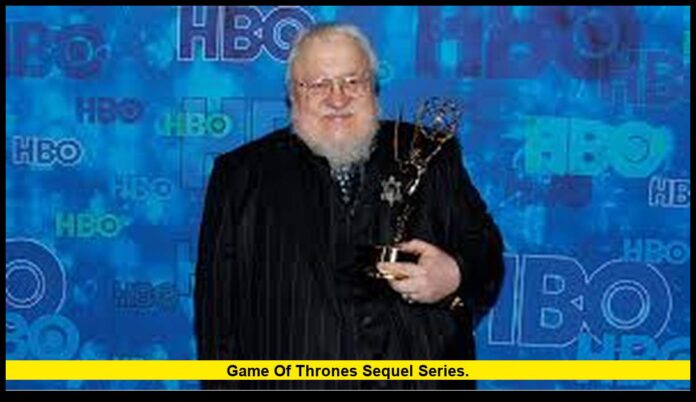
The latest announcement of the Game of Thrones sequel series expansion reveals that George R.R. Martin and HBO are moving forward with several new spinoffs—some of which mark the first confirmed sequel-type entries since the original show ended.
Table of Contents
What’s Going On Now
During the Iceland Noir convention in November 2025, Martin confirmed that alongside the high-profile prequel series already in motion, a number of sequel projects are actively in development. He specified that “most are prequels, but yes, there are some sequels.” This marks the first time such confirmation has been made publicly.
At the same time, the previously proposed sequel featuring Kit Harington as Jon Snow is still officially off the table for now, reinforcing that the new efforts may take different directions rather than follow the exact path once expected.
Key Projects on the Horizon
Here’s a breakdown of where things currently stand:
- Multiple spinoff projects: Martin said there are roughly five or six series in development under the broader Game of Thrones universe, with varying timelines, formats, and creative teams.
- Focus on sequels: While many of these projects are prequels, the confirmed sequel-type entries are notable because they explore what happens after the original narrative rather than strictly before.
- What’s next in the franchise: The beloved prequel House of the Dragon and the upcoming A Knight of the Seven Kingdoms (based on Martin’s Tales of Dunk & Egg) remain important pieces of the broader franchise timeline—but the new movement toward sequel content shifts the focus to the future of the story world.
- No Jon Snow follow-up (for now): Though fans anticipated a direct spin-off following Jon Snow’s exile north of the Wall, Harington stated earlier that such a project is “off the table for the foreseeable future.”
Why the Sequel Strategy Matters
The decision to push forward with a Game of Thrones sequel series strategy signals several shifts:
- Audience-retention and expansion: By developing sequel content, HBO and Martin can continue to engage the existing fan base while providing storytelling that taps into untapped territory beyond the original series.
- Creative opportunities: Exploring what happens after the events of the original allows for new characters, new locations, and fresh narrative stakes—while still carrying the weight and world-building of the original.
- Brand longevity: The original show ended in 2019, and while the prequel era has been well-received, moving into sequel territory keeps the franchise alive and evolving.
- Risk management: With prequels there’s built-in lore and history, but with sequels there’s room to surprise and redefine. The confirmation that multiple projects are in development suggests that HBO is hedging bets, exploring multiple paths rather than relying on a single spin-off.
What We Still Don’t Know
Despite the announcement, many key details about the Game of Thrones sequel series slate remain unclear:
- Which characters or timelines the sequels will focus on. Martin did not specify names or plotlines beyond the general “sequel” label.
- Production status and release windows of those sequel projects are not yet public. Many appear to be in early development.
- Full cast and crew for the sequel series have not been confirmed.
- Overlap with prequels: It remains unclear how strongly the sequel projects will interconnect with upcoming prequels like A Knight of the Seven Kingdoms or House of the Dragon.
- Streaming strategy and episode count: Unlike established series, these upcoming sequels don’t yet have public episode counts or release strategies.
Timeline Snapshot: Franchise Expansion
| Year | Milestone | Notes |
|---|---|---|
| 2019 | Original series finale for Game of Thrones | End of the main saga saga arc. |
| 2022–2025 | Prequels in development (House of the Dragon, A Knight …) | These focus on earlier eras of Westeros. |
| Nov. 2025 | Martin confirms multiple sequel projects | Marks first public acknowledgment of sequel development. |
| 2026 and beyond | Likely release window for proposed projects | Sequels expected to follow after prequel rollout. |
What Fans Can Expect
For U.S. audiences following the franchise, here’s how to approach the unfolding slate:
- Keep your eyes on announcements: Given the early stage of these sequel projects, major updates (cast, release date, trailer) are expected to roll out gradually.
- Revisiting the original is worthwhile: As new storylines build on the universe’s past, having familiarity with the original and its lore will enhance viewing.
- Prequel schedule still relevant: Although the focus here is on sequels, upcoming prequels will continue to shape the franchise’s landscape and may link directly to what comes next.
- Be prepared for divergence: Since sequels allow for new characters and storylines, the tone, setting, and approach may differ from what viewers expect based on the original show or earlier spin-offs.
Final Thoughts
The confirmation of a dedicated Game of Thrones sequel series effort represents an exciting turning point for the franchise. While much remains under wraps, the promise of new stories—moving forward in the timeline and opening fresh corners of the universe—gives longtime fans and new viewers alike something to anticipate. Stay tuned for the next wave of announcements and prepare for the saga to continue in unexpected ways.
What potential sequel storyline would you most like to see explored in the new series? Tell us your thoughts and stick around for more updates!

