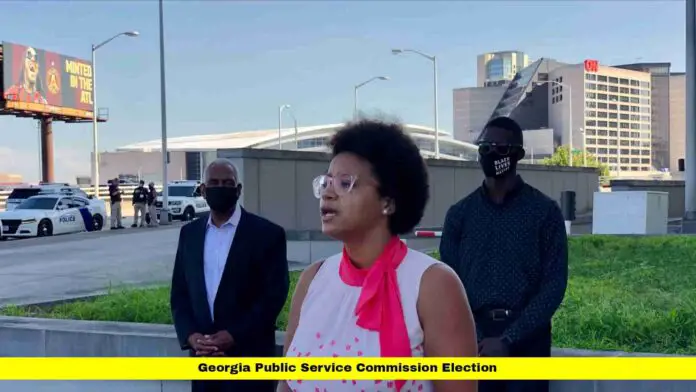
The Georgia Public Service Commission election 2025 is one of the most closely watched state-level contests this year, as voters prepare to elect two commissioners who will shape how much Georgians pay for electricity, how the state approaches clean energy, and how public utilities are regulated. The election has become a major topic in political and consumer discussions because of rising energy bills and debates about representation on the commission.
Table of Contents
Overview of the Georgia Public Service Commission Election
The Georgia Public Service Commission (PSC) is responsible for regulating electric, gas, and telecommunications utilities across the state. Its decisions directly impact millions of households and businesses, determining electricity rates, approving energy projects, and setting policies for renewable energy development.
In the 2025 election, two seats—District 2 and District 3—are up for grabs. This election is particularly significant because it comes after legal challenges delayed the previous vote, giving Georgians the chance to reassess the direction of their energy future. The commission’s decisions affect everything from monthly power bills to how Georgia responds to the growing demand for electricity driven by new data centers and electric vehicles.
Candidates and Election Timeline
Two current commissioners, Tim Echols and Fitz Johnson, are seeking re-election. Echols represents District 2 and has been on the PSC since 2011, while Johnson holds the District 3 seat. Both are Republicans facing Democratic challengers who are campaigning for greater accountability, clean energy investment, and more transparency in utility pricing.
Alicia Johnson, running for District 2, has made lowering energy bills and expanding renewable energy her key priorities. In District 3, Democrat Peter Hubbard, an environmental advocate, has focused on affordability and holding Georgia Power accountable for cost overruns on major projects.
The election calendar includes the general election date set for November 4, 2025, following primaries and runoffs held earlier in the summer. Early voting will begin in October, and voter registration remains open until early September.
Why This Election Matters
The Georgia PSC election is about more than just who sits on the commission—it’s about who decides how billions of dollars in utility spending are managed and how the costs are distributed among ratepayers. With two of five commission seats on the ballot, voters have a real opportunity to change the direction of Georgia’s energy strategy.
The PSC regulates Georgia Power, the state’s largest electric utility, which serves over two million customers. Recent increases in electricity rates have drawn frustration from consumers who are struggling with higher bills. The commission’s approval of rate hikes related to nuclear projects and fuel cost adjustments has brought additional scrutiny.
This election will determine whether Georgia continues its gradual transition toward renewables and grid modernization or whether the state sticks with a more conservative energy approach that favors traditional power sources.
Major Issues Shaping the Race
Rising Electricity Rates
Many Georgians have seen a steady climb in their utility bills over the past several years. Much of this increase stems from the expansion of Plant Vogtle, a nuclear power project that ran billions over budget. The PSC’s approval of rate hikes to recover these costs has become one of the most hotly debated topics of the campaign.
Clean Energy Transition
As Georgia becomes a hub for technology companies and data centers, energy demand is increasing rapidly. Candidates are divided over how to meet that demand—whether through renewable energy sources like solar and wind, or continued reliance on natural gas and nuclear power. Advocates for clean energy argue that the PSC needs to invest more aggressively in renewables and battery storage to make the grid sustainable and resilient.
Accountability and Transparency
Critics of the current commission say that decisions are too often made in favor of corporate utilities rather than consumers. Democratic candidates have promised greater transparency in rate-setting, public hearings, and oversight of spending. The commission’s recent decisions on cost recovery have amplified calls for reform.
Representation and Legal Challenges
The 2025 PSC election was delayed due to a federal court ruling that found the previous statewide voting system diluted minority representation. Lawmakers revised the rules to comply with the court’s order, making this the first PSC election under the updated framework. For many voters, the issue of fair representation is as important as energy policy itself.
Impact on Consumers and Businesses
For consumers, the outcome of the 2025 election will influence electricity costs for years to come. Commissioners play a central role in reviewing Georgia Power’s spending plans, determining how costs are passed to ratepayers, and setting timelines for implementing rate adjustments.
A consumer-focused commission could push for reforms that ease the financial burden on low-income households and ensure that rate hikes are justified. For businesses—especially large manufacturers and tech firms that consume vast amounts of power—the election will shape how Georgia balances affordable energy with economic growth.
Utility policy directly affects Georgia’s competitiveness as a destination for investment. Affordable and reliable energy has been one of the state’s biggest economic advantages, and the next PSC will need to maintain that balance while addressing environmental and infrastructure challenges.
The Role of Renewable Energy
Georgia has emerged as one of the Southeast’s leading states for solar energy, but its renewable capacity still lags behind national leaders. The PSC’s next members will have to decide how aggressively the state invests in clean energy.
Supporters of renewable expansion argue that adding solar and battery storage can stabilize energy costs, reduce long-term dependence on fossil fuels, and protect consumers from volatility in global energy markets. Critics caution that renewables require heavy upfront investment and that reliability must remain the top priority.
The election’s outcome could determine whether Georgia accelerates its transition toward a modernized energy grid or continues to emphasize traditional sources of power.
Challenges Facing the Election
Despite the importance of the PSC, many Georgians remain unaware of what the commission does. Historically, PSC elections have drawn low voter turnout because they occur in odd-numbered years and often coincide with few other statewide races.
Candidates face the challenge of educating voters about how much influence the PSC wields. Every decision made by the commission affects energy affordability, environmental sustainability, and long-term infrastructure planning.
In addition to low awareness, the complexity of energy policy makes it difficult for candidates to communicate their positions clearly. Explaining issues like cost recovery, energy diversification, and regulatory oversight in simple, relatable terms has become a campaign priority for all contenders.
Possible Outcomes and Future Implications
If incumbents are re-elected, Georgia is likely to maintain its current energy trajectory, which prioritizes grid reliability and gradual transitions to cleaner sources. However, a victory for challengers could bring significant policy shifts, especially in promoting renewable projects, revisiting recent rate hikes, and enforcing stricter oversight of utilities.
Either way, the 2025 PSC election will influence:
- How electricity rates are set and justified.
- The speed at which renewable energy expands.
- The role of the PSC in protecting consumer interests.
- Georgia’s overall competitiveness in attracting investment tied to clean technology and manufacturing.
This election could mark the start of a new era for Georgia’s energy landscape, one that balances affordability, sustainability, and innovation.
Voter Awareness and Participation
Because of the technical nature of PSC duties, civic organizations have launched efforts to increase voter education and awareness. Information campaigns aim to explain how PSC decisions translate into real-world costs and services.
Voters are encouraged to learn about each candidate’s platform before heading to the polls. Early voting and absentee ballot options make participation more accessible, and turnout will be critical in shaping the state’s energy future.
Conclusion
The Georgia Public Service Commission election 2025 may not dominate headlines like presidential or gubernatorial races, but its impact on Georgians’ daily lives is enormous. From the amount households pay for electricity to the future of renewable energy investment, this election will influence the state’s economic and environmental direction for years to come.
As voters head to the polls this November, they will have a direct say in how Georgia powers its future—both literally and figuratively. The choice they make will determine who holds the power to keep energy affordable, sustainable, and fair for everyone.
What do you think Georgia’s top energy priority should be—lower bills, cleaner power, or both? Share your views below and stay informed as this pivotal election approaches.

