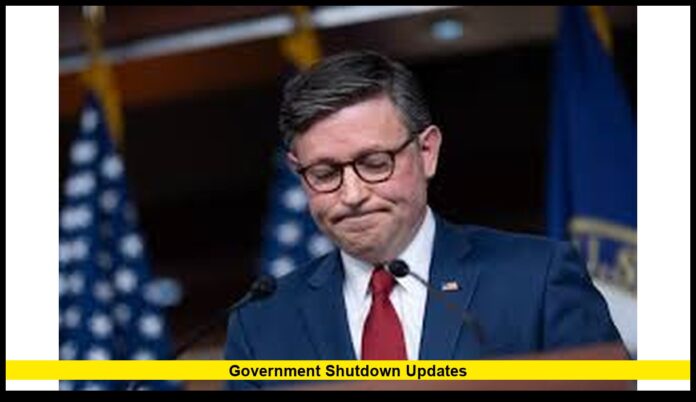
The latest government shutdown updates bring a major breakthrough in Washington. The U.S. Senate has approved a bipartisan funding bill, moving it to the House of Representatives for a crucial vote expected this week. If passed, the measure would end the record-breaking federal shutdown that began on October 1, 2025.
Table of Contents
What’s Happening Now
The Senate passed the long-debated funding bill with a 60-40 vote late Monday night, marking the first significant movement toward ending the government closure. Lawmakers from both parties reached an agreement to fund key federal departments and restore essential services that have been paralyzed for six weeks.
The House is now set to reconvene midweek to take up the Senate-approved package. If approved, the bill would go to the President’s desk for signature, officially reopening federal operations and authorizing back pay for hundreds of thousands of federal employees who have been furloughed or working without pay.
This marks a pivotal moment in one of the longest and most disruptive government shutdowns in U.S. history.
Key Provisions of the Funding Deal
The funding legislation includes several crucial measures aimed at stabilizing government functions and supporting millions of Americans affected by the shutdown:
- Temporary Funding Extension: Keeps the federal government funded through January 30, 2026.
- Agency Coverage: Fully funds key agencies such as Veterans Affairs, Agriculture, and the legislative branch for the remainder of the fiscal year.
- Worker Protections: Ensures that federal employees will receive back pay for all missed wages during the shutdown period.
- SNAP Program Support: Restores and extends funding for the Supplemental Nutrition Assistance Program (SNAP) through September 2026.
- Healthcare Funding Gap: The deal does not extend enhanced subsidies under the Affordable Care Act (ACA), which remains a point of contention among Democrats.
This compromise aims to reopen the government swiftly while leaving more divisive policy fights for later negotiations.
Why It Matters
Ending the shutdown is critical for both the economy and millions of American households. The prolonged closure has disrupted critical services, delayed benefits, and caused ripple effects across sectors reliant on federal operations.
Key impacts include:
- Federal workers missing multiple paychecks.
- SNAP benefit delays affecting millions of low-income families.
- Travel disruptions due to understaffed agencies like the TSA and FAA.
- Delays in loan processing, tax refunds, and public assistance programs.
As the House prepares to vote, the nation watches closely for signs of resolution. The funding bill offers a temporary lifeline, but deeper budget and policy issues remain unresolved.
Timeline of Key Events
| Date | Event |
|---|---|
| Oct 1, 2025 | Government funding expired, triggering the shutdown. |
| Oct 15–Nov 5 | Negotiations between Senate and House stalled over spending levels and healthcare subsidies. |
| Nov 9–10 | Bipartisan deal reached in the Senate. |
| Nov 10–11 | Senate approved the funding package 60–40. |
| Nov 12 | House scheduled to reconvene for vote. |
What Comes Next
The House vote is expected within days. If lawmakers approve the Senate’s bill, the measure will be sent to the President for signature, officially ending the shutdown. Once enacted, agencies will begin reopening, and federal employees will start receiving their back pay.
Even so, this resolution only provides a temporary fix. Lawmakers must reach a broader agreement by late January to prevent another funding lapse. In addition, several key policy issues remain unresolved:
- Healthcare Subsidies: The bill omits renewed funding for ACA subsidies, which could expire by year’s end.
- Future Spending Limits: Disputes over long-term spending caps could resurface in early 2026.
- Program Backlogs: Agencies face significant backlogs in permits, claims, and services caused by the prolonged shutdown.
Impact on Federal Workers and Programs
Approximately 700,000 federal workers have been directly affected—either furloughed or forced to work without pay since early October. Many essential services, including public safety, food inspections, and national park maintenance, have been halted or severely limited.
The economic toll has also been steep:
- Delayed paychecks have impacted local economies across Washington, D.C., Maryland, and Virginia.
- Contractors and small businesses that depend on federal clients have suffered revenue losses.
- National parks and museums have faced closures, hurting tourism in multiple states.
The reinstatement of funding will restore pay, reopen federal offices, and restart major government programs, but recovery may take weeks to complete.
Why the Shutdown Lasted So Long
The 2025 shutdown stemmed from political gridlock over spending priorities. Disputes between congressional leaders over healthcare funding, immigration enforcement, and budget caps led to repeated stalemates.
Efforts to pass short-term continuing resolutions failed multiple times due to partisan divisions. Senate negotiators finally broke the impasse through a bipartisan deal that both sides described as imperfect but necessary to restore basic government operations.
House leaders now face pressure to approve the deal swiftly, especially with growing public frustration and economic strain spreading nationwide.
Risks and Unresolved Challenges
Even as the nation anticipates reopening, several uncertainties remain:
- Future Shutdown Risk: The new deadline in late January means another funding fight could emerge in just two months.
- Healthcare Tensions: Lawmakers remain divided on how to handle the lapse in ACA subsidies.
- Agency Recovery: Federal offices will need time and resources to recover from the backlog caused by six weeks of inactivity.
The shutdown’s economic and political consequences are expected to linger, but swift passage of the funding bill could ease the immediate strain on millions of Americans.
Conclusion
The next 48 hours are critical for the country’s federal operations. With the Senate’s approval and the House ready to vote, the U.S. may soon see an end to the most prolonged government shutdown in history. Whether this compromise can prevent another crisis early next year remains to be seen.
As Congress moves toward resolution, Americans are watching closely—hoping this marks the end of Washington’s shutdown deadlock once and for all.

