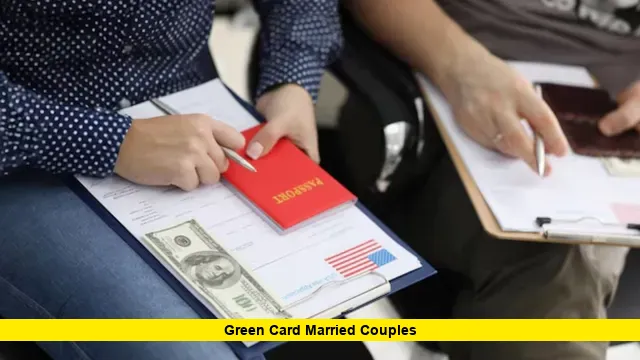
Immigration officials are increasing reviews and verification procedures in family-based visa applications, and many couples are now paying close attention to reports that US Green Card Rules Tightened for Married Couples could significantly affect approval timelines and interview outcomes. Recent updates and policy discussions have sparked concern among immigrant families, especially those applying through marriage sponsorship.
While there has not been a completely new immigration law passed specifically targeting married couples, recent USCIS actions and procedural changes show that applications are now facing deeper scrutiny. Couples applying for lawful permanent residency through marriage may need stronger evidence, longer preparation, and more detailed documentation than in previous years.
Table of Contents
Key Points Summary
╔════════════════════════════════════════════════════════════════════╗
║ – USCIS has increased scrutiny of marriage-based green card applications. ║
║ – Couples may face tougher interviews and additional evidence requests. ║
║ – Immigration officers are focusing heavily on fraud prevention. ║
║ – Real-life documentation of shared lives is becoming more important. ║
║ – Some applicants could experience longer processing times and delays. ║
║ – Legal experts say genuine couples should prepare carefully but not panic. ║
╚════════════════════════════════════════════════════════════════════╝
Major May Change Creating Concern
A major immigration-related policy shift in May has led to widespread discussion among immigration attorneys and applicants. USCIS officers are reportedly conducting more detailed reviews of marriage-based petitions to identify fraudulent relationships and prevent misuse of the immigration system.
The tighter review process appears connected to broader federal immigration enforcement priorities. Officers are now requesting additional evidence in some cases and conducting more detailed interviews before approving permanent residency applications.
Applicants have reported receiving Requests for Evidence (RFEs) asking for more proof of shared finances, joint living arrangements, and relationship history. While RFEs are not new, immigration experts say the frequency and depth of these requests appear to be increasing.
Who Could Be Affected?
The updated enforcement approach could affect several categories of applicants, including:
- Newly married international couples
- Couples with short dating histories
- Long-distance relationships
- Applicants with limited joint financial records
- Couples with large age differences
- Individuals previously denied visas
- Applicants whose paperwork contains inconsistencies
Marriage-based green card applicants already go through extensive reviews, but officers now appear to be taking a more investigative approach in some cases.
This does not automatically mean applications will be denied. However, incomplete or weak documentation could create delays or trigger additional questioning.
What USCIS Is Saying
USCIS has repeatedly stated that its goal is to maintain the integrity of the immigration system while protecting legitimate families. The agency continues emphasizing fraud detection and national security screening as top priorities.
Officials have encouraged applicants to submit complete and accurate applications with strong supporting evidence from the beginning of the process.
USCIS has not officially announced a blanket ban or new law targeting married couples. Instead, the current changes appear to involve stricter enforcement of existing rules and more aggressive verification procedures.
That distinction is important because many social media rumors incorrectly suggest that marriage-based green cards are being eliminated or suspended. At this time, family-sponsored immigration through marriage remains fully available under U.S. immigration law.
Increased Scrutiny for Married Couples
Immigration attorneys say officers are paying closer attention to signs that a marriage may have been entered solely for immigration benefits.
Some factors that may attract additional review include:
Limited Shared Documentation
Couples without joint bank accounts, leases, insurance policies, or utility bills may face more questions.
Different Residential Addresses
Living separately can trigger concerns unless there is a clear explanation such as work, military deployment, or education.
Inconsistent Interview Answers
Small inconsistencies about daily routines, relationship timelines, or family details can lead officers to request additional evidence.
Social Media and Digital Footprints
Officers may review publicly available online information if they suspect fraud or inconsistencies.
Fast Marriages After Visa Arrival
Marriages occurring very shortly after entering the United States on another visa category sometimes receive deeper review.
Evidence Couples Should Prepare
Because of the changing environment, immigration experts recommend building a comprehensive evidence file before submitting an application.
Useful evidence may include:
- Joint bank account statements
- Shared lease agreements or mortgage documents
- Utility bills with both names
- Wedding photographs
- Family event pictures
- Travel itineraries
- Health or auto insurance policies
- Tax returns filed jointly
- Affidavits from friends and relatives
- Screenshots of communication history
- Evidence of shared subscriptions or memberships
The more evidence demonstrating a real shared life together, the stronger the case may appear to USCIS officers.
Couples should organize documents carefully and keep copies of everything submitted.
Interview Process Becoming Tougher
One of the biggest concerns for applicants is the increasingly detailed interview process.
Marriage-based green card interviews have always existed, but applicants report that some interviews now involve more personal questions and deeper relationship verification.
Officers may ask questions such as:
- Who usually cooks at home?
- What side of the bed does your spouse sleep on?
- When did you meet each other’s families?
- What television shows do you watch together?
- How are household bills divided?
These questions are designed to evaluate whether couples genuinely share daily life experiences.
In some cases, couples may even be separated temporarily during interviews and asked the same questions independently to compare answers.
Real World Example
Consider a real-world style scenario involving an international student who marries a U.S. citizen after several years of dating.
The couple submits their application with only wedding photos and a marriage certificate. They do not include shared bank records or lease agreements because they recently moved in together.
Several months later, USCIS sends a Request for Evidence asking for:
- Proof of shared residence
- Financial co-mingling
- Additional relationship history
- Affidavits from friends and family
The couple then gathers joint utility bills, insurance records, travel photos, and sworn statements from relatives confirming the relationship.
After responding thoroughly, the case continues successfully.
This example shows why preparation is becoming increasingly important under the latest enforcement environment.
Practical Steps Couples Should Take
Couples applying for marriage-based green cards can reduce stress and avoid delays by taking several practical steps.
Keep Detailed Records
Save important documents from the beginning of the relationship, including travel receipts, photos, and communication records.
Open Joint Accounts
Shared finances often help demonstrate a genuine marital relationship.
Review Your Application Carefully
Small mistakes or inconsistent information can create unnecessary complications.
Practice for the Interview
Review timelines, important dates, and shared details together before attending the interview.
Respond Quickly to USCIS Notices
Missing deadlines or incomplete responses can significantly delay processing.
Consider Professional Guidance
Complex cases may benefit from consultation with an immigration attorney.
Important Exception Possibility
There are also important exceptions and special situations that may apply.
Some couples may qualify for waivers, humanitarian considerations, or alternative evidence if traditional documents are unavailable.
For example:
- Military families
- Couples living abroad temporarily
- Victims of domestic abuse under VAWA protections
- Applicants facing financial hardship
- Religious or cultural marriages without extensive paperwork
USCIS officers can consider broader circumstances when evaluating applications, although supporting evidence is still essential.
Is This Already Law?
One of the biggest misconceptions online is that Congress passed a brand-new law eliminating marriage-based green cards or making them dramatically harder overnight.
That is not accurate.
The current situation primarily reflects:
- Stricter enforcement
- Increased verification procedures
- More detailed interviews
- Enhanced fraud detection
- Possible procedural updates within USCIS
Existing immigration laws still allow U.S. citizens and lawful permanent residents to sponsor eligible spouses for green cards.
However, the practical experience of applying may now feel more demanding due to increased scrutiny.
Understanding the Broader US Green Card Rules Change
The broader discussion around the us green card rules change is tied to several immigration policy priorities happening simultaneously.
Federal agencies are focusing on:
- Reducing fraudulent applications
- Improving background checks
- Managing application backlogs
- Strengthening identity verification
- Increasing consistency in adjudications
As a result, applicants across multiple immigration categories—not just married couples—may notice stricter document reviews and longer processing times.
Marriage-based cases are simply receiving more public attention because they directly affect families and personal relationships.
What Genuine Couples Should Remember
For legitimate married couples, immigration experts stress that honesty, preparation, and strong documentation remain the best strategy.
A tougher process does not automatically mean rejection. Many genuine couples continue receiving approvals successfully every day.
The key difference is that applicants now need to approach the process with greater organization and attention to detail.
Understanding what officers are looking for can help couples avoid unnecessary stress and build a stronger application from the beginning.
Have questions about marriage-based green cards or recent immigration updates? Share your thoughts in the comments and stay tuned for more immigration news and practical guidance.

