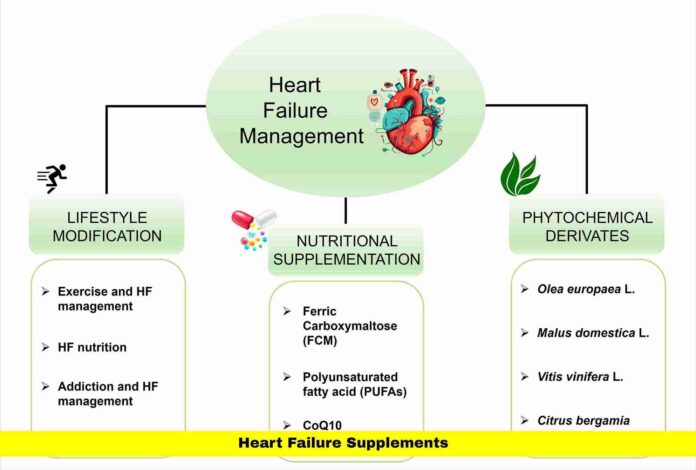
Heart failure supplements are drawing growing attention in 2025 as part of a broader effort to support cardiovascular health naturally. With millions of people worldwide managing heart conditions, there is increasing curiosity about nutrients and natural compounds that may complement prescribed treatment. While supplements can’t cure heart failure, several have shown potential in improving energy, circulation, and overall heart function when used under medical supervision.
Table of Contents
Understanding Heart Failure and Its Impact
Heart failure occurs when the heart cannot pump blood effectively enough to meet the body’s needs. This chronic condition develops gradually, often as a result of coronary artery disease, hypertension, or prior heart attacks that weaken the heart muscle. As the heart loses its efficiency, blood flow slows, fluid builds up, and symptoms such as fatigue, shortness of breath, and swelling in the legs or abdomen may appear. Managing heart failure requires lifestyle changes, medication, and sometimes surgical interventions—but nutrition and supplements can also play a supportive role.
Why People Turn to Heart Failure Supplements
Many patients and doctors are now exploring heart failure supplements to complement standard treatments. The goal is not to replace prescription drugs but to enhance the body’s ability to maintain energy production, reduce inflammation, and protect the heart muscle from oxidative stress. Supplements like Coenzyme Q10 (CoQ10), omega-3 fatty acids, and magnesium are particularly well-researched for their cardiovascular benefits. People are also drawn to supplements because they can help correct nutrient deficiencies caused by medications such as diuretics, which often deplete essential minerals.
The Role of Coenzyme Q10 in Heart Health
Coenzyme Q10, or CoQ10, is one of the most recognized heart failure supplements. It plays a vital role in cellular energy production within the mitochondria, helping the heart muscle generate the power it needs to function efficiently. Studies have shown that patients with chronic heart failure often have lower CoQ10 levels, and supplementation can improve energy, exercise tolerance, and overall heart function. CoQ10 also has antioxidant properties that reduce damage caused by free radicals, further supporting heart tissue health.
Omega-3 Fatty Acids and Circulatory Support
Omega-3 fatty acids from fish oil are another cornerstone of cardiovascular supplementation. These healthy fats help reduce inflammation, lower triglyceride levels, and improve blood vessel flexibility. For people with heart failure, omega-3s may also help stabilize heart rhythm and reduce the risk of arrhythmias. Regular intake of high-quality fish oil capsules or algae-based omega-3 supplements can make a meaningful difference when combined with a balanced diet rich in whole grains, vegetables, and lean protein.
The Importance of Magnesium and Potassium
Electrolytes like magnesium and potassium are essential for maintaining proper heart rhythm and muscle contractions. In many heart failure cases, patients take diuretics to reduce fluid retention, which can also deplete these minerals. Low magnesium or potassium levels can lead to muscle weakness, irregular heartbeats, and fatigue. Supplementing under a doctor’s guidance can help restore balance and improve heart performance. Magnesium, in particular, supports over 300 biochemical reactions in the body, many of which are crucial for cardiovascular stability.
L-Carnitine for Energy and Muscle Function
L-Carnitine is another natural compound gaining attention among heart failure supplements. It helps transport fatty acids into the mitochondria, where they are converted into energy. Because the heart depends heavily on fat metabolism, maintaining adequate L-Carnitine levels can enhance cardiac efficiency. Some studies suggest that supplementation may improve exercise capacity and reduce symptoms like shortness of breath in heart failure patients. However, dosages should always be determined by a healthcare professional.
Vitamin D and Its Cardiovascular Connection
Vitamin D deficiency is common in people with heart disease, and maintaining optimal levels can be beneficial. This vitamin influences inflammation, immune function, and blood vessel tone. Low vitamin D has been linked to higher risks of hypertension and heart failure progression. Supplementing vitamin D, especially in individuals who spend little time in sunlight, can support better cardiovascular outcomes when used in conjunction with other treatments.
B Vitamins and Energy Metabolism
The B-vitamin family, including B6, B12, and folate, is vital for heart health because these nutrients help regulate homocysteine levels—a compound that, when elevated, increases cardiovascular risk. In heart failure, maintaining efficient energy metabolism is crucial since the heart muscle constantly demands energy. B vitamins support red blood cell production and oxygen delivery, making them valuable additions to a cardiac care plan.
Antioxidants for Reducing Oxidative Stress
Oxidative stress plays a significant role in the progression of heart failure, damaging cells and tissues through unstable molecules known as free radicals. Antioxidant supplements like vitamin C, vitamin E, and selenium can help neutralize these harmful compounds. Additionally, compounds such as resveratrol and alpha-lipoic acid are being studied for their ability to enhance vascular function and protect cardiac cells from inflammation and aging.
Herbal Supplements and Natural Extracts
In addition to vitamins and minerals, certain herbal supplements have been researched for their potential role in heart health. Hawthorn extract, for example, has a long history in traditional medicine as a tonic for improving circulation and strengthening the heart. Some studies suggest it can improve exercise tolerance and reduce fatigue in mild heart failure cases. Garlic extract is also known for its cholesterol-lowering and blood-pressure-regulating properties, while turmeric provides natural anti-inflammatory effects that can benefit the cardiovascular system.
Probiotics and Gut-Heart Connection
Recent research highlights the relationship between gut health and heart health. Probiotics, or beneficial bacteria, can help reduce systemic inflammation and improve nutrient absorption. An imbalanced gut microbiome has been linked to increased cardiovascular risk due to higher levels of harmful compounds like trimethylamine-N-oxide (TMAO). By maintaining healthy gut flora, probiotic supplements may indirectly support heart function and reduce the burden on the cardiovascular system.
Combining Supplements with Medical Treatment
It is essential to remember that supplements should always be seen as complementary to, not replacements for, prescribed medications. Many heart failure patients take drugs like ACE inhibitors, beta-blockers, and diuretics to manage symptoms. Some supplements can interact with these drugs, either increasing or decreasing their effects. For instance, high doses of vitamin E or garlic can increase bleeding risk when taken with anticoagulants. Therefore, professional guidance from a cardiologist or nutritionist is necessary before starting any new supplement.
Lifestyle and Diet as a Foundation
No supplement can outperform a heart-healthy lifestyle. A balanced diet rich in fruits, vegetables, whole grains, lean proteins, and low-fat dairy provides the essential nutrients the heart needs. Reducing salt intake, avoiding trans fats, and maintaining a healthy weight all contribute to better outcomes. Regular exercise—such as walking, cycling, or swimming—helps strengthen the cardiovascular system, while stress management techniques like meditation and adequate sleep further reduce heart strain. Supplements work best when they are part of this broader wellness approach.
How to Choose the Right Heart Failure Supplements
When selecting supplements, quality and safety are paramount. Consumers should look for brands that offer third-party testing for purity and potency. Checking for certifications such as USP, NSF, or GMP can ensure the product meets high manufacturing standards. Avoid supplements that make unrealistic claims about curing heart disease or reversing heart failure. Consulting with a healthcare provider about proper dosages and potential interactions ensures safe and effective use tailored to individual health needs.
The Future of Nutritional Support for Heart Failure
The science of nutritional cardiology continues to evolve, and researchers are uncovering new compounds that could support heart function in novel ways. Peptides, mitochondrial boosters, and specialized antioxidants are being explored for their ability to repair and protect cardiac tissue. As personalized medicine advances, supplements may soon be tailored based on a person’s genetic makeup, diet, and metabolic profile. The goal is to create more precise and effective strategies for maintaining heart health alongside conventional therapy.
Conclusion
Heart failure supplements have become an important aspect of integrative cardiac care. When used correctly and under professional guidance, they can help improve energy, reduce inflammation, and support overall heart function. From CoQ10 and omega-3 fatty acids to magnesium and vitamin D, these nutrients offer measurable benefits for those managing chronic heart conditions. However, supplements are only one part of the solution. A healthy diet, regular activity, and proper medical treatment remain the foundation of strong cardiovascular health.

