This guide explains everything Americans need to know before enrolling in Medicare, including eligibility, timing, coverage decisions, and common mistakes. It helps readers understand the process clearly so they can avoid penalties and coverage gaps.
For millions of Americans, Medicare marks a major transition in health coverage. Whether retirement is around the corner or still years away, understanding how Medicare enrollment works is essential for avoiding costly mistakes and coverage gaps. First-time enrollment can feel confusing, especially with different parts, deadlines, and rules that change depending on your situation.
This in-depth guide explains how Medicare enrollment works from start to finish, who must take action, when enrollment happens, and what steps matter most. It is designed to help readers make informed decisions with confidence and clarity.
Table of Contents
Why Medicare Enrollment Deserves Careful Attention
Medicare is not just another insurance plan. It becomes the foundation of healthcare coverage for most older adults in the United States. Decisions made during the first enrollment window can affect healthcare access, monthly costs, and financial security for years to come.
Unlike employer insurance, Medicare operates on fixed timelines. Missing a deadline or misunderstanding a rule can lead to permanent penalties or delayed coverage. That is why understanding the enrollment process early is just as important as understanding the benefits themselves.
What Medicare Is and How the Program Is Structured
Medicare is a federally administered health insurance program primarily serving individuals aged 65 and older, along with certain younger individuals who qualify due to disability or specific medical conditions.
The program is divided into several components, each covering different healthcare services. Hospital-related care is covered under one part, while outpatient medical services fall under another. Prescription drug coverage and privately administered plans offer additional ways to manage healthcare costs and coverage preferences.
Most people begin with the core hospital and medical coverage and later decide whether additional options better suit their healthcare needs.
Who Becomes Eligible for Medicare Coverage
Eligibility is most commonly based on age. Individuals become eligible when they reach 65, provided they are U.S. citizens or lawfully present residents who meet residency requirements. Eligibility is not income-based, and employment status does not prevent enrollment.
Some individuals qualify before age 65 due to long-term disability benefits or qualifying medical conditions. In these cases, eligibility is linked to benefit status rather than age.
Knowing when eligibility begins is the foundation of every enrollment decision that follows.
Automatic Enrollment Versus Taking Action Yourself
Not everyone needs to apply for Medicare manually. Individuals who already receive certain federal retirement or disability benefits are often enrolled automatically when they become eligible. In those cases, coverage begins without the individual needing to submit an application.
However, many people are not automatically enrolled. This often includes those who delay claiming retirement benefits, continue working beyond age 65, or rely on employer-sponsored health coverage. These individuals must actively enroll to avoid delays or penalties.
Understanding whether you fall into the automatic or manual enrollment category is critical.
Understanding the First Enrollment Window
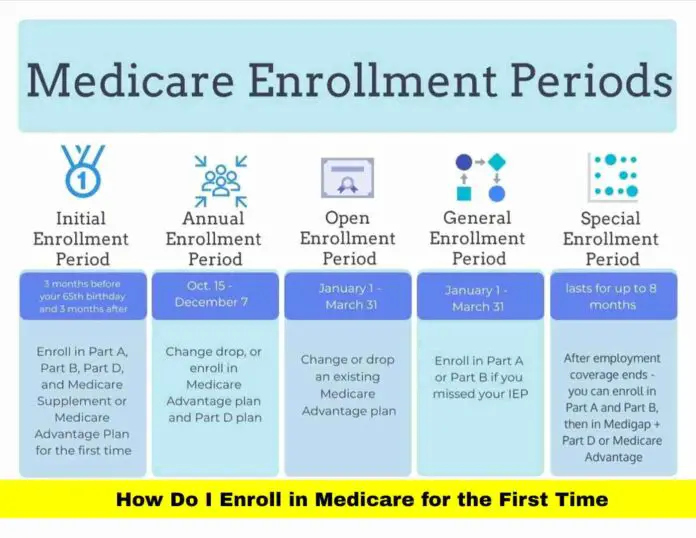
The first enrollment window is the most important period for people entering Medicare. It spans several months around a person’s 65th birthday and offers the earliest opportunity to secure coverage without financial penalties.
This period allows individuals to enroll in core Medicare coverage and determine when their benefits will begin. Enrolling earlier within this window often results in smoother transitions and fewer administrative complications.
Failing to enroll during this period can have long-lasting consequences.
How Coverage Start Dates Are Determined
Medicare does not begin immediately for everyone. Coverage start dates depend on when enrollment occurs during the first eligibility window. Those who enroll early may see coverage begin sooner, while later enrollment can delay access to benefits.
Understanding how enrollment timing affects coverage start dates helps prevent unexpected gaps, especially for individuals leaving employer-sponsored insurance.
Careful planning ensures healthcare access continues without interruption.
What Happens If Enrollment Is Delayed
Missing the first enrollment opportunity does not mean Medicare is unavailable, but it does change the rules. Individuals who delay enrollment without qualifying for a special exception may need to wait for a limited annual enrollment period.
Delayed enrollment often results in higher monthly premiums that continue for as long as Medicare coverage remains active. In addition, delayed coverage can leave individuals uninsured for months.
These outcomes make timely enrollment one of the most important financial decisions tied to Medicare.
Special Circumstances That Allow Delayed Enrollment
Some individuals can delay enrollment without penalty due to ongoing employer-sponsored health coverage. In these cases, a special enrollment window may open when that coverage ends or employment status changes.
This exception applies only under specific conditions, and misunderstanding eligibility for this option is a common source of costly mistakes. Documentation and timing matter greatly in these situations.
Knowing whether you qualify for a delayed enrollment exception can prevent unnecessary penalties.
How Employment Status Affects Medicare Decisions
Many Americans continue working beyond age 65. For these individuals, Medicare enrollment decisions often depend on employer size and the type of coverage offered.
Some employer plans allow delayed enrollment without consequences, while others do not. Evaluating how employer coverage coordinates with Medicare is essential before making enrollment choices.
Failure to assess this properly can result in paying for overlapping coverage or missing required enrollment deadlines.
The Role of Medicare Parts Beyond Basic Coverage
After enrolling in core Medicare coverage, many individuals explore additional options that help manage out-of-pocket costs or expand benefits. These options can include private plans or prescription drug coverage.
Each option comes with its own enrollment timelines and rules. Choosing these plans is not mandatory, but delaying certain options can also trigger penalties later.
Understanding how these pieces fit together allows individuals to build coverage that aligns with their healthcare needs and budget.
Common Mistakes First-Time Enrollees Make
Many enrollment issues stem from assumptions rather than facts. Common mistakes include assuming enrollment happens automatically, misunderstanding employer coverage rules, or waiting too long to act.
Others enroll in coverage they do not need or overlook options that could reduce long-term costs. These errors are avoidable with proper planning and awareness.
Education is the strongest tool for avoiding enrollment pitfalls.
Preparing Ahead of Time Makes the Process Easier
Preparing for Medicare enrollment months in advance simplifies decision-making. Gathering personal information, reviewing current insurance, and understanding future healthcare needs can reduce stress during enrollment.
Early preparation also allows time to compare options carefully rather than rushing decisions near deadlines.
Those who plan ahead tend to experience smoother transitions and fewer surprises.
Why Medicare Enrollment Is Not a One-Time Decision
Enrollment does not end once coverage begins. Medicare includes annual review periods that allow changes to plans and coverage options. Healthcare needs evolve, and coverage should evolve with them.
Staying informed helps beneficiaries make adjustments that reflect changing medical needs or financial priorities.
Being proactive ensures Medicare continues to work effectively over time.
Looking Ahead: What Every New Beneficiary Should Remember
Medicare enrollment is a milestone, not just a formality. The decisions made at the start shape healthcare access and costs for years to come. Understanding eligibility, deadlines, and responsibilities empowers individuals to take control of their coverage.
With the right information and timely action, Medicare can provide stable, reliable healthcare well into the future.
Have thoughts or questions about navigating Medicare enrollment for the first time? Share your perspective below or stay connected for more clear, practical updates.

