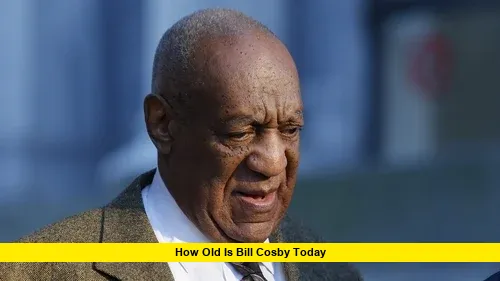
Bill Cosby, the once-beloved entertainer whose name became synonymous with family television in the 1980s and 1990s, remains a topic of intense public interest decades after his rise to fame. How old is Bill Cosby today? Born on July 12, 1937, he is currently 88 years old and continues to confront legal challenges that have persisted into his late 80s.
At an age when most public figures retreat from the spotlight, Cosby’s life is still the subject of news, legal filings, and courtroom proceedings. Recent testimony in a civil lawsuit has drawn fresh attention to events allegedly occurring more than half a century ago. This article lays out the latest factual updates surrounding Cosby’s age, his nearly nine decades on earth, and the ongoing legal drama tied to past allegations.
Table of Contents
From Television Fame to Legal Infamy
Bill Cosby became a household name through stand-up comedy, television specials, and most notably The Cosby Show, which aired from 1984 to 1992. His portrayal of Dr. Cliff Huxtable made him one of the most famous entertainers in the world and a symbol of wholesome family entertainment.
However, beginning in the mid-2010s, a wave of women came forward with accusations against Cosby alleging sexual misconduct that dated back decades. These allegations ultimately derailed his career and led to legal battles that have spanned years.
As Cosby marks his 88th year, he stands far removed from the public adoration he once commanded. His legacy is now defined as much by legal controversy as by cultural impact.
Read Also-Bill Cosby Quaalude Testimony Reignites Legal Battles and Public Debate
New Deposition Testimony Raises Fresh Legal Questions
In January 2026, new legal filings revealed that Cosby provided sworn deposition testimony in connection with an ongoing civil lawsuit brought by one of his accusers, Donna Motsinger. In this testimony, Cosby acknowledged repeatedly obtaining prescriptions for the sedative Quaaludes with the expressed intention of giving them to women he wanted to have sex with. Cosby testified he never personally ingested the pills.
These statements were made under oath and are connected to Motsinger’s lawsuit, which alleges that Cosby drugged and raped her in California in 1972, when she was working as a server. According to the lawsuit, Cosby gave her a pill he said was harmless; the lawsuit claims she lost consciousness and later awoke partially clothed.
Deposition excerpts remain under seal, but court filings made public indicate Cosby confirmed he refilled the Quaalude prescription multiple times, obtained from a gynecologist friend during a social gathering at his Los Angeles home before 1972. Critics have noted that the doctor involved later lost his medical license, further complicating the narrative.
This testimony has rekindled debate over events alleged to have occurred more than 50 years ago, placing new emphasis on how decades-old words and actions can influence modern legal disputes.
Civil Lawsuits Persist Long After Criminal Proceedings Ended
Cosby’s legal history has already included criminal charges and both guilty and overturned verdicts. In the mid-2010s, prosecutors charged him with sexual assault related to an incident involving another accuser. After a retrial in 2018, he was convicted and sentenced to prison. However, the conviction was overturned in 2021 for constitutional reasons related to how earlier agreements in a civil case were handled.
Since then, Cosby has faced numerous civil lawsuits filed by women alleging misconduct across several decades. Some of these have resulted in liability findings or settlements, while others, like the one brought by Motsinger, remain active and are now entering phases that involve testimony like the recent deposition. The fact that these cases are still moving through courts in 2026 demonstrates how complex and enduring litigation can be, particularly when allegations stem from events many years in the past.
Cosby is seeking to have Motsinger’s lawsuit dismissed. The defense argues that the deposition is immaterial or should be excluded, while Motsinger’s attorneys maintain that Cosby’s own testimony sheds light on alleged conduct and therefore should remain part of the lawsuit’s evidentiary record.
What Quaaludes Are and Why They Matter in the Case
Quaaludes, known generically as methaqualone, were prescribed widely in the 1960s and 1970s for insomnia and anxiety. The drug induces drowsiness, muscle relaxation, and impaired coordination, making it prone to recreational misuse. By the early 1980s, due to rising abuse and safety concerns, Quaaludes were classified as illegal in the United States.
In the context of Cosby’s deposition, the drug is central not just for its pharmacological effects but because allegations contend that its use deprived individuals of the ability to consent. Whether or not Cosby personally ingested the pills, the intentional dissemination of a known sedative to another person raises legal and ethical questions that are at the heart of civil claims.
For plaintiffs, Quaalude-related testimony may provide context for alleged incapacitation during encounters, making allegations of non-consensual conduct more compelling. For the defense, historical context, prescription legitimacy, and the credibility of decades-old memories are often key points of contention.
Legacy and Public Reaction at Age 88
Bill Cosby’s legacy is fiercely debated in American culture. Thirty or forty years ago, he was widely celebrated for pioneering achievements and breaking racial barriers on television. Today, many remember him as a central figure in national conversations around sexual misconduct, celebrity, and accountability.
Some individuals argue that Cosby’s contributions to entertainment should be viewed separately from the serious allegations against him. Others insist that allegations of abuse must shape how his work is interpreted and remembered — especially when testimony emerges under oath, as in the latest legal developments.
The disconnect between how different segments of the public view Cosby reflects broader cultural debates over how to treat high-profile individuals whose public personas were once beloved but whose personal conduct has been challenged.
At 88, Cosby’s current public presence is defined more by courtroom filings than by television appearances or performances. He rarely engages with media and has largely withdrawn from the public stage. Legal strategies and defense filings appear to occupy much of his focus, with courtroom disputes acting as the primary venue through which his name continues to circulate.
The Role of Time in High-Profile Legal Battles
Legal cases that stretch across decades are not unique, but they pose specific challenges for judges, juries, plaintiffs, and defendants alike. Memories fade, documents may be lost, and witnesses age. Yet elasticity in civil law, particularly in states with extended statutes or exceptions, allows certain claims to proceed even after many years.
For civil claimants like Motsinger, pursuing a lawsuit more than 50 years after alleged events requires navigating complex legal standards about evidence and statute limitations. For defendants, contesting such claims often hinges on challenging memory reliability, evidentiary relevance, and procedural rules.
The implications of Cosby’s case extend beyond his personal story. They speak to how American courts handle allegations of historical misconduct, the balance between fairness to all parties, and the role of sworn testimony recorded decades earlier.
What’s Next for Bill Cosby’s Legal Journey in 2026
As litigation continues in 2026, the focus shifts to how courts will adjudicate long-standing civil claims with roots in events alleged many years ago. Depositions like the one at the center of the recent revelations could play a significant role in how juries or judges assess credibility and facts.
The lawsuit by Donna Motsinger is one among several that remain unresolved. How these cases evolve may influence future policy regarding civil suits tied to decades-old conduct. It also may impact public conversations about how society balances restitution for alleged victims with legal protections for those accused.
For Cosby, at age 88, navigating these cases requires legal teams prepared to argue about events from a very different era. The outcomes will resonate with supporters and critics alike, and they will continue to shape how his legacy is understood in American society.
A Cultural Reckoning That Continues Into His Late 80s
Bill Cosby’s life story — from groundbreaking entertainer to embattled figure facing multiple civil claims — illustrates how the arc of a public life can shift dramatically over time. At 88, his presence in courts rather than studios highlights how old allegations can carry forward into today’s news cycle.
While Cosby’s age places him among the nonagenarian ranks of former stars, legal battles remind us that public narratives and personal histories do not always fade with time. Instead, they can remain part of ongoing debates about justice, accountability, and how society reconciles public achievement with personal conduct.
As these legal proceedings unfold, they will likely continue to draw attention and inspire discussion across the United States.

