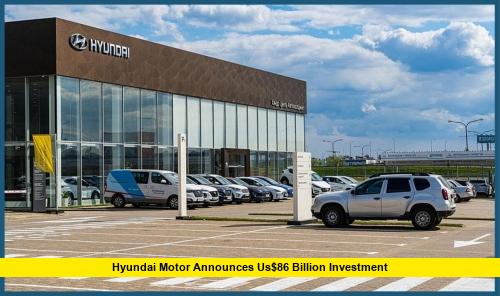
In a major strategic move, Hyundai Motor Group (HMG) has revealed plans to invest US $86.47 billion (125.2 trillion won) in South Korea between 2026 and 2030 following a recent trade agreement. The company announced this after the new deal with the United States reduced tariffs on South Korean vehicles entering the U.S. from 25% to 15%.
The group stated that of the total, 50.5 trillion won will be directed to AI and future business ventures; 38.5 trillion won will go toward research and development; and 36.2 trillion won will enhance production facilities and infrastructure. Additionally, the investment scope aims to support domestic export capacity and bolster parts-supplier resilience amid shifting global trade dynamics.
Why this matters for U.S. audiences
For readers in the U.S., this investment by Hyundai Motor has several key implications:
- The tariff reduction on South Korean-made vehicles could lead to increased availability and potentially more competitive pricing for Korean-brand vehicles in the U.S. market.
- Hyundai’s commitment to expanding domestic South Korean production suggests a strong supply-chain focus that may influence how and where future models are built and exported, including to the U.S.
- With Hyundai investing heavily in AI, future mobility and production technology, U.S. auto-industry players and suppliers may feel increased competitive pressure as Hyundai leverages a strengthened Korean base.
Breakdown of the investment plan
| Component | Amount | Focus |
|---|---|---|
| AI & future business | 50.5 trillion won (≈ US $35 billion) | New technologies, mobility services |
| Research & Development | 38.5 trillion won | Innovation in vehicle, battery and mobility systems |
| Production & infrastructure | 36.2 trillion won | Upgrading factories, constructing new facilities |
Hyundai noted that its investment will help the company “more than double auto exports from domestic factories by 2030” and support its Korean-based parts suppliers facing global trade headwinds.
The new investment significantly exceeds Hyundai Group’s combined domestic investment of 89.1 trillion won during the 2021-2025 period, demonstrating the scale of the shift.
Trade-deal context and strategic motivations
The announcement coincides with the newly finalised trade agreement between South Korea and the U.S., under which tariffs on South Korean auto exports to the U.S. were reduced to 15% from 25%. Hyundai’s move signals its response to the new trade environment.
Hyundai Chairman Chung Euisun stated the firm “is well aware of concerns about exports declining and domestic production shrinking due to U.S. tariffs of 15%.” He affirmed the company’s intention to diversify export markets and expand domestic Korean production to serve global demand.
Implications for the U.S. automotive ecosystem
- Supply chain dynamics: With Hyundai reinforcing its South Korean production base, U.S. component suppliers may see heightened competition from Korean-based suppliers gaining scale and capability.
- Consumer choice: U.S. motorists may benefit from a stronger Hyundai Korea export model pipeline—potentially new models or features produced under the investment plan.
- Industry competition: Hyundai’s deepened investment in AI and future mobility intensifies its global ambitions, raising the bar for automakers in the U.S. pursuing EVs, smart mobility and advanced manufacturing.
What to watch in the coming years
- How much of the investment is directly allocated to EV production, and whether new models built in Korea will be targeted at the U.S. market.
- Whether Hyundai shifts more manufacturing back to Korea, and how that affects its U.S. factories and production footprint.
- The response of U.S. parts-suppliers and automakers to Hyundai’s strengthened Korean base and how they compete or partner in the evolving global auto ecosystem.
- Consumer impact: the arrival of new Hyundai-brand vehicles, features or pricing strategies influenced by this Korean investment.
Conclusion
This bold move—where Hyundai Motor announces US$86 billion investment in South Korea—is a clear signal of its future direction and ambition. By committing massive resources to its Korean operations, Hyundai positions itself for global competitiveness and reinforces its export strategy to serve markets including the U.S. For American consumers, suppliers and automakers, the ripple effects may span pricing, model availability, supply-chains and industry dynamics.
We’d love to hear your take—comment below on how you think this investment might impact the U.S. auto market and Hyundai’s role here.

