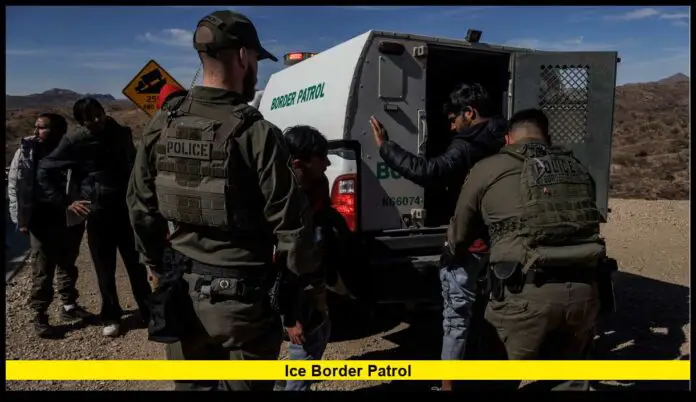
In the latest wave of federal action, the term ICE border patrol has become increasingly relevant in U.S. immigration discourse as Immigration and Customs Enforcement undergoes sweeping changes and enforcement escalations. A major leadership shake-up within the agency signals a shift in strategy and a renewed push to accelerate deportation operations nationwide.
Table of Contents
Leadership Overhaul at ICE
The Department of Homeland Security (DHS) is preparing a significant leadership overhaul within ICE, with several senior field-office directors expected to be replaced. Many of these key roles are being handed over to officials with experience in the U.S. Border Patrol, underscoring a growing integration of border-level enforcement tactics into interior immigration operations.
Cities such as Los Angeles, Denver, Philadelphia, Phoenix, and San Diego are reportedly among those affected by this restructuring. The move is intended to strengthen deportation efficiency, tighten coordination with Border Patrol units, and push ICE toward higher daily arrest targets.
Insiders describe the changes as part of a broader effort to meet federal expectations for faster and more visible enforcement. The administration has made clear that it wants to see a dramatic rise in removal numbers, setting daily arrest goals that exceed recent averages.
Enforcement by the Numbers
Recent data show a marked increase in deportation and voluntary self-deportation activity, painting a picture of intensified enforcement nationwide.
| Metric | Value |
|---|---|
| Voluntary self-deportations | ~1.6 million |
| Formal removals (deportations) | ~500,000+ |
The combination of voluntary returns and formal removals represents one of the largest annual enforcement totals in recent history. These figures demonstrate the growing impact of the new ICE border patrol strategy, which blends aggressive field operations with incentives for undocumented individuals to leave voluntarily.
Chicago: Ground Zero for New Operations
Chicago has become one of the most visible examples of this shifting approach. ICE, working alongside Border Patrol-trained teams, has launched intensive enforcement actions in and around the city. Nearly 3,000 arrests have been reported, marking one of the largest interior operations conducted in a single metropolitan area this year.
The push has drawn both attention and controversy. Legal advocates have raised concerns about the scale and tactics of the operations, while federal officials argue that the strategy reflects the administration’s mandate to restore “law and order” to immigration enforcement.
A recent court order has required senior ICE and Border Patrol officials to testify about operational procedures, underscoring the heightened scrutiny facing this expanded enforcement campaign.
The Strategy Behind the ICE Border Patrol Integration
The growing overlap between ICE and the Border Patrol highlights several emerging trends in immigration enforcement:
- Interior Intensification: Traditional border-only enforcement methods are now being deployed deep within U.S. cities.
- Performance-Driven Targets: ICE is under strong pressure to meet numeric goals for daily arrests and removals.
- Expanded Geographic Reach: Enforcement zones now extend well beyond the U.S. border, targeting major population centers.
- Legal and Civil-Rights Questions: Courts are examining whether these operations comply with constitutional protections and due-process standards.
This fusion of ICE and Border Patrol methods represents a strategic evolution—one aimed at combining intelligence, manpower, and field tactics to deliver faster results.
Political and Policy Context
Immigration remains a cornerstone of national policy debate. The administration has prioritized enforcement consistency and volume, describing the new ICE-Border Patrol alignment as necessary for “restoring control.”
Critics, however, argue that such measures risk eroding community trust and overwhelming local jurisdictions with fear and confusion. Tensions within DHS also appear to be rising, as some officials reportedly resist the acceleration of removals and the replacement of long-standing ICE leadership with Border Patrol veterans.
At the political level, immigration remains a defining issue that shapes public sentiment and electoral strategy. The administration’s actions are viewed by supporters as a fulfillment of promises to strengthen national sovereignty and border integrity. Opponents, meanwhile, frame them as an overreach that undermines human rights and due process.
Operational Outcomes and Future Outlook
With leadership changes underway and enforcement intensifying, the ICE border patrol strategy is expected to reshape immigration policy outcomes for months to come. Analysts are watching several key areas closely:
- New Leadership Appointments: Anticipated announcements may confirm the integration of Border Patrol personnel into top ICE positions.
- Arrest and Deportation Rates: Federal metrics will reveal whether ICE meets its ambitious daily enforcement goals.
- Legal Rulings: Ongoing cases could redefine the scope of ICE’s authority in interior operations.
- Community Reactions: Cities with large immigrant populations will likely experience increased tensions and activism.
- Policy Adjustments: Congress and the White House may face pressure to clarify legal boundaries for interior immigration enforcement.
The outcome of these efforts will determine whether ICE can effectively merge border-style operations with domestic enforcement without triggering legal or humanitarian backlash.
A Broader Shift in Immigration Enforcement
The current trajectory shows a clear redefinition of how immigration laws are executed within the United States. The phrase “ICE border patrol” now reflects not only a policy change but a cultural and institutional transformation inside the federal enforcement framework.
As the two agencies’ roles continue to merge, the distinction between border control and interior enforcement grows increasingly blurred. This change may bring about faster results on paper, but it also raises deep questions about accountability, oversight, and the long-term impact on communities across the nation.
The coming weeks will reveal whether this bold enforcement push delivers measurable results—or sparks new political and legal battles that reshape the future of U.S. immigration policy.
What are your thoughts on the merging roles of ICE and Border Patrol? Share your views or stay tuned as this story continues to unfold.

