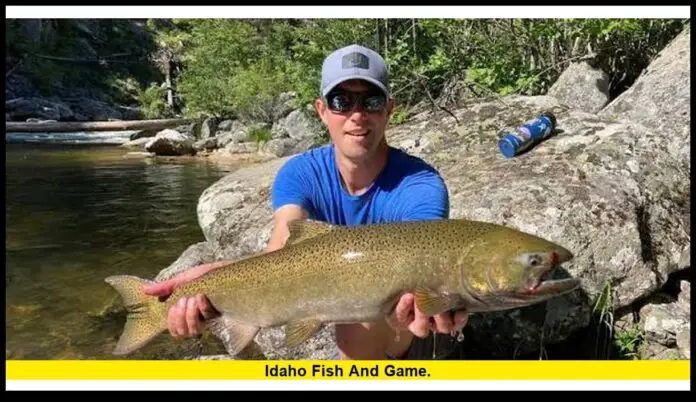
Idaho Fish and Game remains at the center of major wildlife management, fishing opportunities, conservation projects, and hunting regulation changes in Idaho as of June 2026. The agency has released important updates involving Chinook salmon fisheries, trout stocking programs, hunting regulations, public input initiatives, grizzly bear research, and statewide wildlife management efforts that affect anglers, hunters, and outdoor enthusiasts across the state.
The Idaho Department of Fish and Game continues to manage one of the nation’s most diverse outdoor recreation systems. Throughout 2026, agency biologists, conservation officers, commissioners, and regional staff have focused on balancing wildlife conservation with public access while responding to changing fish populations, hunting demand, and habitat management needs.
Table of Contents
What Idaho Fish and Game Does
The Idaho Department of Fish and Game oversees the management of the state’s fish and wildlife resources. Its responsibilities include:
- Wildlife conservation
- Fish stocking programs
- Hunting regulations
- Fishing regulations
- Habitat restoration
- Wildlife research
- Public education
- Enforcement of fish and game laws
The agency operates hatcheries, conducts scientific research, manages hunting seasons, monitors wildlife populations, and works with local communities to protect Idaho’s outdoor resources.
Major Chinook Salmon Updates in 2026
One of the biggest stories this year has involved Chinook salmon management.
Fish and Game officials closely monitored salmon returns throughout the spring season. During May and June, several fisheries experienced changes as harvest goals were reached and managers adjusted opportunities based on real-time population data.
In May, portions of the Lower Salmon River were closed to Chinook fishing after harvest objectives were achieved. Managers implemented the closure to protect the fishery while maintaining long-term sustainability.
The agency also reported that spring Chinook fisheries in the Salmon River Basin officially closed after harvest shares were reached. Fishery managers described the season as active and closely monitored.
Additional proposals for summer Chinook seasons were reviewed by the Fish and Game Commission during special meetings. Proposed fisheries on portions of the Upper Salmon River, South Fork Salmon River, and Lochsa River were considered following assessments of returning fish populations.
These decisions highlight the agency’s adaptive management approach, which allows officials to respond quickly to changing fish numbers while preserving future fishing opportunities.
Massive Trout Stocking Efforts Continue
Fishing remains a major focus for Idaho Fish and Game in 2026.
The agency has continued one of its largest trout stocking programs in recent years. During June alone, more than 243,000 catchable-sized rainbow trout were scheduled for release into lakes, ponds, and reservoirs throughout Idaho.
Regional stocking efforts have included:
| Region | Notable 2026 Stocking Activity |
|---|---|
| Southwest | More than 91,000 trout stocked in June |
| Clearwater | Nearly 40,000 trout scheduled for June |
| Southeast | More than 13,000 hatchery rainbow trout stocked |
| Statewide | Over 243,000 rainbow trout planned for June |
Earlier in the year, statewide stocking efforts included:
- More than 110,000 trout during March
- More than 240,000 trout during May
- Continued releases throughout multiple regions
These stocking programs support recreational fishing opportunities while helping maintain healthy fisheries across Idaho.
Free Fishing Day Remains a Popular Event
Idaho’s annual Free Fishing Day continued to attract families and new anglers in 2026.
Fish and Game promoted the June event through partnerships with community organizations and outdoor retailers. Special youth fishing gear giveaways were organized in several locations to encourage participation among young anglers.
The event allows residents and visitors to fish without purchasing a fishing license during the designated day. Officials view the program as an important introduction to Idaho’s outdoor recreation opportunities.
New Hunting Technology Restrictions
One of the most significant policy developments affecting hunters this year involves new restrictions on advanced technology used during hunts.
The Idaho Fish and Game Commission previously reviewed recommendations from a hunting technology working group. Those proposals eventually moved through the legislative process and resulted in new restrictions on certain equipment.
Beginning in 2026, restrictions affect technologies such as:
- Thermal imaging devices
- Night vision equipment
- Certain transmitting trail cameras
- Drones used for hunting purposes
The changes are intended to maintain fair chase principles and ensure wildlife management objectives remain effective as technology continues to evolve.
Wildlife managers have emphasized that the regulations target hunting activities rather than general ownership of the equipment.
Read More – Omega-3 vs. Fish Oil: Unveiling the Power of Essential Fatty Acids in a Modern Era
Fish and Game Commission Activity
The Idaho Fish and Game Commission has remained highly active throughout 2026.
Commission meetings have addressed:
- Chinook salmon season management
- Waterfowl zone modifications
- Big game hunting regulations
- Wildlife conservation programs
- Public participation initiatives
Quarterly meetings have been held across different regions of Idaho, allowing residents to engage directly with commissioners and agency staff.
The commission continues to rely on biological data, public feedback, and scientific recommendations when making decisions affecting wildlife management statewide.
Strategic Planning for Idaho’s Future
Agency leaders are also looking beyond immediate fishing and hunting seasons.
In 2026, Idaho Fish and Game sought public input on its strategic planning efforts. The goal is to address increasing outdoor recreation use while protecting fish, wildlife, and habitat resources for future generations.
Population growth and increased recreation demand have created new challenges for wildlife managers. Strategic planning efforts are designed to ensure long-term sustainability while maintaining public access to Idaho’s natural resources.
Wildlife Research Projects Underway
Research remains a key component of Idaho’s conservation work.
One notable project in 2026 involves annual grizzly bear research in eastern Idaho. Biologists have continued trapping and monitoring efforts in portions of the Greater Yellowstone Ecosystem to gather information about bear populations and movements.
Research activities help wildlife managers:
- Track population trends
- Understand habitat use
- Improve conservation planning
- Support science-based management decisions
The annual project contributes valuable information regarding one of the region’s most closely monitored wildlife species.
Big Game Management Remains a Priority
Big game hunting continues to play a significant role in Idaho’s wildlife management system.
The agency manages seasons and regulations for:
- Elk
- Deer
- Pronghorn
- Moose
- Bighorn sheep
- Mountain lions
- Black bears
Throughout 2026, officials have continued reviewing tag allocations, season structures, and wildlife population data to maintain healthy herds while providing recreational opportunities.
Application deadlines for controlled hunts and big game tags remained important milestones for hunters planning their fall seasons. Fish and Game repeatedly reminded sportsmen to meet application deadlines and review updated regulations.
Monitoring Wildlife Health
Wildlife disease monitoring remains an important responsibility for Fish and Game.
Current regulations and management documents continue to address concerns involving Chronic Wasting Disease, a neurological disease that affects members of the deer family. Wildlife managers monitor disease risks and maintain designated management zones where necessary.
Disease surveillance helps protect wildlife populations and supports informed management decisions throughout the state.
Tag, You’re It Program Continues Rewarding Anglers
A unique research program administered by Idaho Fish and Game continues attracting attention among anglers.
The “Tag, You’re It” initiative rewards fishermen who catch tagged fish and report their findings. Some tags carry monetary rewards ranging from $25 to $200. The information collected helps biologists better understand fish movement, survival, and population trends.
The program has become an important research tool while encouraging public participation in fisheries science.
Conservation Officers and Public Safety
Fish and Game conservation officers remain active across Idaho.
Their responsibilities include:
- Enforcing hunting regulations
- Protecting fish populations
- Investigating wildlife violations
- Educating the public
- Supporting conservation programs
The agency continues to recognize the contributions and sacrifices of conservation officers who have served Idaho’s outdoor community over the decades.
Growing Interest in Outdoor Recreation
Outdoor recreation participation remains strong throughout Idaho.
Fishing, hunting, wildlife viewing, and other outdoor activities continue attracting residents and visitors. This increased participation creates opportunities for conservation education but also requires careful management of wildlife resources and recreational access.
Fish and Game officials regularly balance public demand with conservation objectives to ensure sustainable use of Idaho’s natural resources.
Looking Ahead
As 2026 progresses, Idaho Fish and Game will continue managing fisheries, wildlife populations, hunting seasons, habitat conservation efforts, and public recreation opportunities throughout the state.
Current priorities include maintaining healthy fish populations, supporting responsible hunting opportunities, monitoring wildlife health, expanding public engagement, and protecting Idaho’s diverse ecosystems. Recent trout stocking efforts, Chinook salmon management decisions, wildlife research projects, and regulatory updates demonstrate the agency’s broad role in conserving Idaho’s natural resources while serving outdoor enthusiasts across the state.
What do you think about the latest Idaho wildlife and fishing updates? Share your thoughts and stay tuned for more developments throughout the year.

