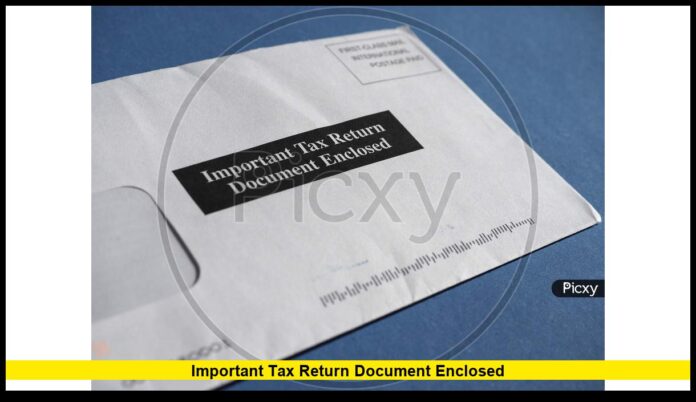
Receiving mail or electronic notices marked “Important Tax Return Document Enclosed” can feel urgent during the 2026 tax season. For U.S. taxpayers, this phrase typically signals that a critical tax form has arrived for the 2025 tax year. These documents contain verified income or deduction information that must be reported accurately on your federal tax return. As the IRS processes millions of filings this season, staying organized and reviewing every enclosed form carefully is more important than ever.
Table of Contents
What “Important Tax Return Document Enclosed” Means
When you see “Important Tax Return Document Enclosed” on an envelope or digital notification, it generally indicates that a financial institution, employer, or other reporting entity is sending you official tax documentation.
These forms often include:
- Form W-2 – Reports wages and federal income tax withheld
- Form 1099 series – Reports interest, dividends, contract income, brokerage transactions, and other non-wage earnings
- Form 1098 – Reports mortgage interest or student loan interest paid
- Other official tax statements required for accurate reporting
The IRS receives copies of many of these forms directly from employers and financial institutions. That means the agency already has a record of the income shown on your documents. If your tax return does not match those records, the IRS may issue a notice or adjust your return.
Why These Documents Are Critical for 2026 Tax Filing
For the 2025 tax year, most taxpayers must file Form 1040 by April 15, 2026. The forms enclosed in these notices provide the numbers that flow directly into your return.
These documents matter because they:
- Confirm total income earned
- Show federal tax withheld
- Provide deductible interest information
- Report investment gains or losses
- Help determine credits and adjustments
Failing to include information from an important tax return document enclosed notice can lead to processing delays, refund adjustments, or IRS correspondence later in the year.
Common Forms You May Receive
Here’s a closer look at the forms most frequently delivered under this label:
Form W-2
Employers must send this form to employees showing annual wages and withheld taxes. You need this information to complete your income section accurately.
Form 1099-INT
Banks and credit unions send this form to report interest income earned during the year.
Form 1099-DIV
Investment firms issue this form to report dividend income.
Form 1099-NEC
Independent contractors and freelancers receive this form for non-employee compensation.
Form 1099-B
Brokerage firms provide this form for stock, bond, and other securities transactions.
Form 1098
Lenders send this form to report mortgage interest paid. Student loan servicers also issue 1098-E for loan interest.
Each document contains specific dollar amounts that must match what you report on your tax return.
Paper Mail vs. Electronic Delivery
Many taxpayers now receive tax forms electronically. Employers and financial institutions often provide secure online access to downloadable copies before paper versions arrive.
Electronic delivery offers:
- Faster access to forms
- Easy import into tax software
- Secure digital recordkeeping
- Reduced risk of lost mail
However, whether the form arrives by mail or through an online portal, you must review it carefully before filing.
What to Do When You Receive These Documents
Follow these steps immediately after receiving an envelope marked “Important Tax Return Document Enclosed”:
- Open and review every page thoroughly.
- Verify your name, Social Security number, and address.
- Compare reported amounts with your personal records.
- Enter figures exactly as shown into your tax software or provide them to your preparer.
- Keep copies for at least three years for recordkeeping purposes.
If any information appears incorrect, contact the issuing employer or institution promptly to request a corrected form.
What If a Document Arrives After You File?
Sometimes taxpayers receive an additional tax form after submitting their return. If that happens:
- Review the new form carefully.
- Determine whether it changes your reported income or deductions.
- If necessary, file an amended return using Form 1040-X.
Not every late form requires an amendment. Small differences may not affect your total tax liability. When in doubt, consult a qualified tax professional.
How the IRS Uses These Forms
The IRS runs automated matching systems that compare your tax return with income forms submitted by employers and financial institutions. If there is a discrepancy, the agency may send a notice requesting clarification or proposing adjustments.
This matching process helps ensure:
- Income is reported accurately
- Withholding amounts are correct
- Refund calculations are valid
- Tax compliance standards are maintained
Responding quickly to any discrepancies can prevent penalties or additional interest charges.
Deadlines to Remember in 2026
The standard federal filing deadline for most taxpayers is April 15, 2026. If you cannot complete your return by that date, you may request an extension using Form 4868.
An extension gives you additional time to file your paperwork, but it does not extend the time to pay any taxes owed. Interest and penalties may apply to unpaid balances after the deadline.
Keeping track of all documents before filing reduces the need for amendments and helps avoid last-minute stress.
Avoiding Common Mistakes
To ensure your return is accurate:
- Wait until you have received all expected forms before filing.
- Do not estimate income amounts.
- Double-check Social Security numbers and totals.
- Save digital and paper copies in a secure location.
- Update your address with employers and financial institutions if you move.
These simple actions can help prevent refund delays and IRS notices later in the year.
Why You Should Never Ignore These Notices
An envelope marked important tax return document enclosed is not junk mail. It contains official financial data required to complete your federal income tax return correctly.
Ignoring or misplacing these forms can result in:
- Underreported income
- Incorrect refund amounts
- IRS adjustment letters
- Potential penalties
Treat every tax document as a critical part of your filing checklist.
Tax season can feel overwhelming, but staying organized makes the process manageable. Review every form carefully, confirm all numbers, and file on time to ensure a smooth 2026 tax experience.
Have you already started organizing your tax documents for this season? Share your experience in the comments and stay updated on the latest tax filing guidance.

