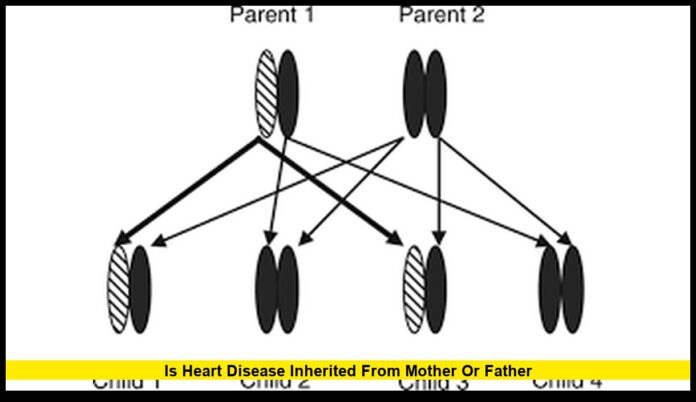
When it comes to cardiovascular health, one of the most common questions doctors hear is: “Is heart disease inherited from mother or father?” The answer is not as simple as choosing one parent over the other. New research shows that both maternal and paternal histories play significant roles, but the impact can differ depending on the type of heart condition, age of onset, and lifestyle factors.
For millions of Americans, heart disease remains the leading cause of death, making it essential to understand how family history influences risk. Knowing where your risk comes from can help guide preventive care, screenings, and lifestyle choices that make a real difference.
Table of Contents
How Heart Disease Runs in Families
Heart disease is often influenced by a combination of genetic factors and lifestyle habits. Family history can increase your risk even if you feel healthy or have no symptoms.
Here’s why:
- Genes can affect how your body processes cholesterol, regulates blood pressure, and manages inflammation.
- Family members often share habits like diet, physical activity, and smoking, which can amplify genetic risk.
- Some inherited heart conditions, like familial hypercholesterolemia, directly cause early heart problems regardless of lifestyle.
The key is to identify which side of the family the risk may come from—and how it affects your own health outlook.
The Maternal Link: When Risk Comes from Mom
Studies show that heart disease risk from the mother’s side can be particularly important, especially for women. A mother’s cardiovascular health during pregnancy affects her child’s long-term heart health more than previously thought.
For example:
- If a mother experienced gestational diabetes, preeclampsia, or high blood pressure during pregnancy, her children may have a higher lifetime risk of developing cardiovascular problems.
- Mitochondrial DNA, which is inherited only from the mother, plays a role in how cells generate energy. Mutations in these genes have been linked to heart failure and other cardiac conditions.
- A maternal history of early heart disease (before age 65 in women) significantly increases the child’s risk, especially for daughters.
For women, having a mother with heart disease can be a stronger predictor of their own risk than having an affected father. This may be due to shared hormonal and metabolic patterns, as well as maternal health influences during fetal development.
The Paternal Link: Why Dad’s Heart History Matters
While maternal factors play a unique role, paternal history remains a critical risk indicator, particularly for early-onset coronary artery disease.
Here’s what the research shows:
- If a father had a heart attack or was diagnosed with coronary artery disease before the age of 55, their child’s risk nearly doubles compared to someone without that family history.
- Genetic markers passed through the paternal line can affect LDL cholesterol levels, plaque buildup in arteries, and inflammatory responses.
- Sons of fathers with heart disease are more likely to exhibit similar patterns of high cholesterol or hypertension at younger ages.
This means that your father’s cardiac history, especially if he had issues early in life, should never be ignored in your health planning.
Comparing Maternal vs. Paternal Risk
| Risk Factor | Maternal Influence | Paternal Influence |
|---|---|---|
| Age of onset | Risk increases if the mother develops heart disease before 65 | Risk increases if the father develops heart disease before 55 |
| Genetic transmission | Mitochondrial DNA, pregnancy-related factors, shared hormonal environment | LDL cholesterol genes, inflammatory markers, shared lifestyle |
| Impact on daughters | Often stronger, especially with pregnancy-related complications | Still significant, but more linked to traditional risk factors |
| Impact on sons | Substantial, especially for metabolic conditions | High risk if father had early-onset heart disease |
Both sides clearly matter. Rather than focusing on just mother or father, it’s important to look at the complete family history.
Recent Developments in Genetic Research
As of 2025, advances in genetic testing and cardiovascular research have made it easier to understand inherited risk. Scientists can now identify specific genetic variants that increase the likelihood of developing coronary artery disease, arrhythmias, and other heart conditions.
Some key developments include:
- Polygenic risk scores: These tests combine information from many genes to give a more precise picture of your inherited heart disease risk.
- Maternal-fetal health studies: New research confirms that maternal health during pregnancy can “program” a child’s cardiovascular system in ways that last a lifetime.
- Gene-environment interactions: Scientists now understand that genes alone rarely determine destiny. Lifestyle factors such as diet, exercise, and smoking strongly influence how genetic risks play out.
For patients, this means that knowing your family history—on both sides—can help personalize prevention strategies.
How to Assess Your Family Risk
Understanding whether your heart disease risk comes from your mother, father, or both starts with gathering information. Here are some steps U.S. health experts recommend:
- Talk to family members
Find out if any relatives had heart disease, how old they were when diagnosed, and what specific conditions they had. - Document details
Include ages, diagnoses (heart attack, heart failure, arrhythmias), and any pregnancy-related complications in maternal history. - Share information with your doctor
Primary care physicians and cardiologists use this information to determine whether you need earlier or more frequent screenings. - Consider genetic testing
For people with a strong family history—especially of early-onset heart disease—genetic counseling and testing may provide additional insight.
Prevention: Why Family History Is Not Destiny
Even if you have a strong family history, heart disease is not inevitable. Understanding whether the risk is inherited from your mother or father gives you the power to act early.
Preventive steps include:
- Maintaining a heart-healthy diet (low in saturated fats, rich in fruits, vegetables, and whole grains)
- Exercising regularly—at least 150 minutes of moderate activity per week
- Avoiding smoking and limiting alcohol consumption
- Managing cholesterol, blood pressure, and blood sugar through regular checkups
- Seeking early medical screening if you have a parent who had heart disease at a young age
Early intervention can reduce your risk significantly—even if you inherited genetic risk factors.
Conclusion
So, is heart disease inherited from mother or father? The truth is, both can pass on genetic risks, but the pathways differ. Maternal history often affects metabolic and developmental risk, while paternal history is strongly tied to early-onset coronary disease.
By understanding both sides of your family history, you can take proactive steps to protect your heart health. Genetics may load the gun—but lifestyle, awareness, and medical care can prevent it from firing.
Share your thoughts below and tell us how your family history has shaped your approach to heart health.

